General
Life
Accessibility Options


General

General Products
Simple & Transparent! Policies that match all your insurance needs.
 Car Insurance
 Two Wheeler Insurance
 Commercial Vehicle Insurance
 Health Insurance
 Home Insurance
 Travel Insurance
 Business Insurance
Car Insurance
Two Wheeler Insurance
Commercial Vehicle Insurance
Health Insurance
Travel Insurance
Business Insurance
Car Insurance
Two Wheeler Insurance
Commercial Vehicle Insurance
Health Insurance
Travel Insurance



Scan to download

Life

Life Products
Digit Life is here! To help you save & secure your loved ones' future in the most simplified way.
 Term Life
 Savings Plan
 Retirement and Pension Plans
 Group Life Products
 Product Documents
Term Life
Savings Plan
Retirement and Pension Plans
Group Life Products
Product Documents
Term Life
Savings Plan
Retirement and Pension Plans
Group Life Products

Scan to download

Claims

Claims
We'll be there! Whenever and however you'll need us.
 Customer Support
 Motor Claims
Health Claims
Motor Claims
Health Claims
 Marine Insurance
 Grievance Redressal
Customer Support
Motor Claims
Health Claims
Marine Insurance
Grievance Redressal
Grievance Redressal
Customer Support
Motor Claims
Health Claims
Marine Insurance
Grievance Redressal

Scan to download
 General
 Life
General
Life
Life
General
Life
Renewals
Resources

Resources
All the more reasons to feel the Digit simplicity in your life!
Exclusive Features
 Transparency Report
Others
Exclusive Features
Transparency Report
Transparency Report
Others
Exclusive Features
Transparency Report
Scan to download


Our WhatsApp number cannot be used for calls. This is a chat only number.

 Grey Scale
 Readable Text
 Reset
Reset



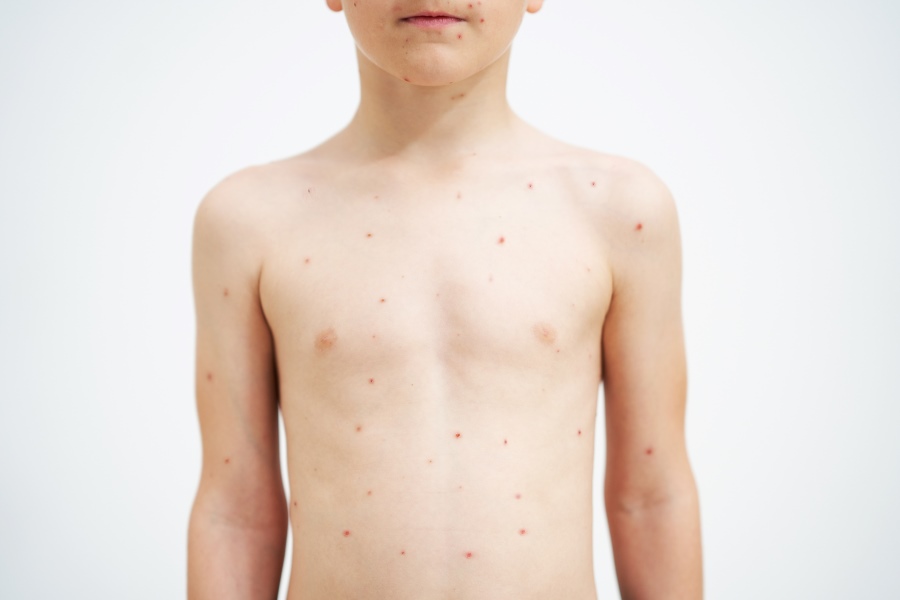
Chickenpox is a highly contagious disease with uncomfortable symptoms. However, almost every disease is curable with proper medication and diet. Staying hydrated and maintaining an appropriate diet for chicken pox is the best remedy to manage this disease.
A simple idea about the chicken pox diet will help to boost the infected person's immunity and speedy recovery. The following sections will cover which foods to eat and avoid if someone has chicken pox.

Table of Contents

Chickenpox is a sickness caused by the varicella virus. It causes tiny blisters filled with fluid and an itchy rash. People who have never had the illness or not had the vaccination are susceptible to contracting chickenpox quite quickly.
A safe way to avoid chickenpox and its associated health complications is to vaccinate against it. You cannot contract chickenpox from someone else once you have had it. You can contract chickenpox at any age if you haven't had the vaccination.
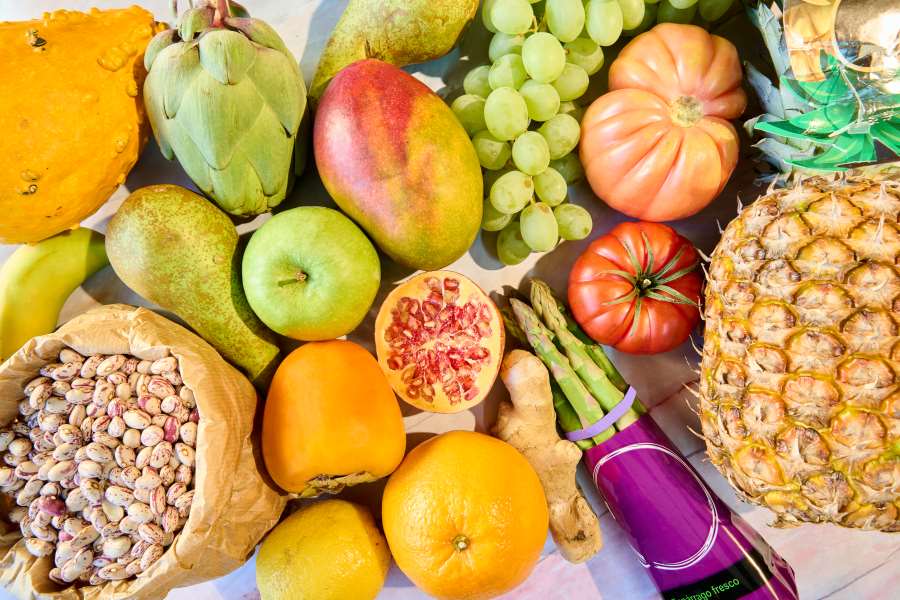
Here is the list of comforting and bland foods that you should add to your diet for chicken pox:
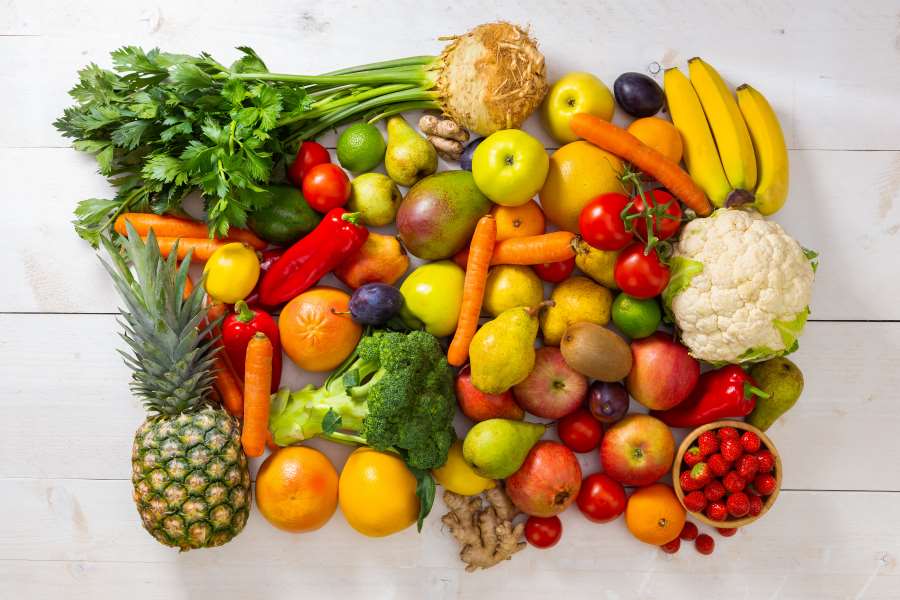
Fruits and vegetables are packed with nutrients that aid in speeding up recovery. However, it is always recommended to consume non-acidic veggies and fruits such as banana, peach, melon, cucumber, spinach, broccoli, and kale when you have chicken pox.
These food items are beneficial in preventing one’s body from secreting histamines, which leads to infection and scratching.
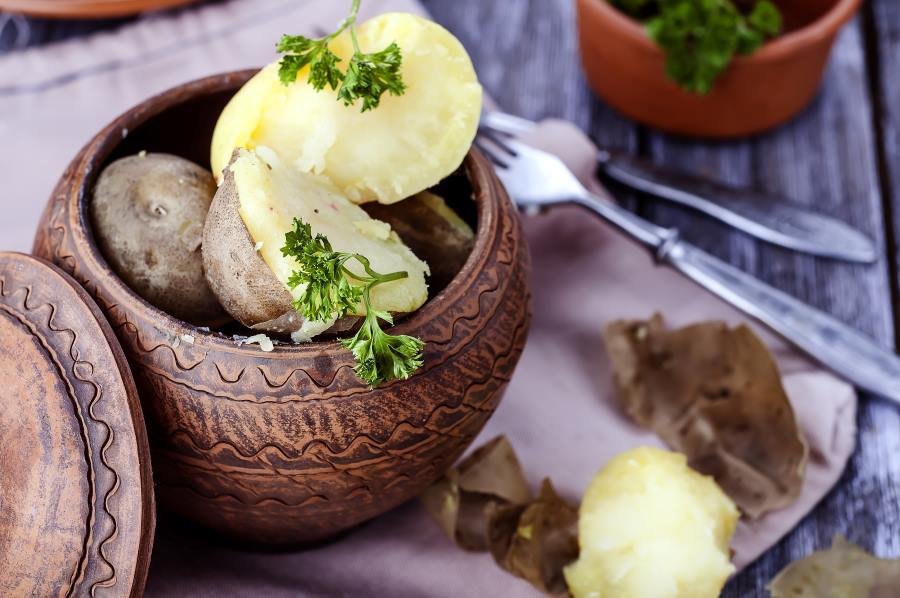
Chickenpox frequently causes oral scratches, which can get inflamed if an individual eats fibrous foods. In such cases eating soft foods is comforting for your mouth and digestion. Different soft foods you may consume when you have this disease include boiled chicken, mashed potatoes, scrambled eggs, tofu, and poached fish.

Staying hydrated is a significant aspect of recovery from chickenpox. Consuming different hydrating liquids helps digest the foods easily and prevents dehydration. Some hydrating beverages you can include in a diet for chicken pox are herbal tea, coconut water, plain water, electrolyte-infused drinks, and low sugary drinks.

This viral disease generates a lot of heat in the patient’s body. As a result, an individual is more prone to suffer from high fever during this period. By consuming cool foods like ice cream, cottage cheese, kefir, yoghurt, and shakes, one keeps his/her body from overheating and limits irritation.
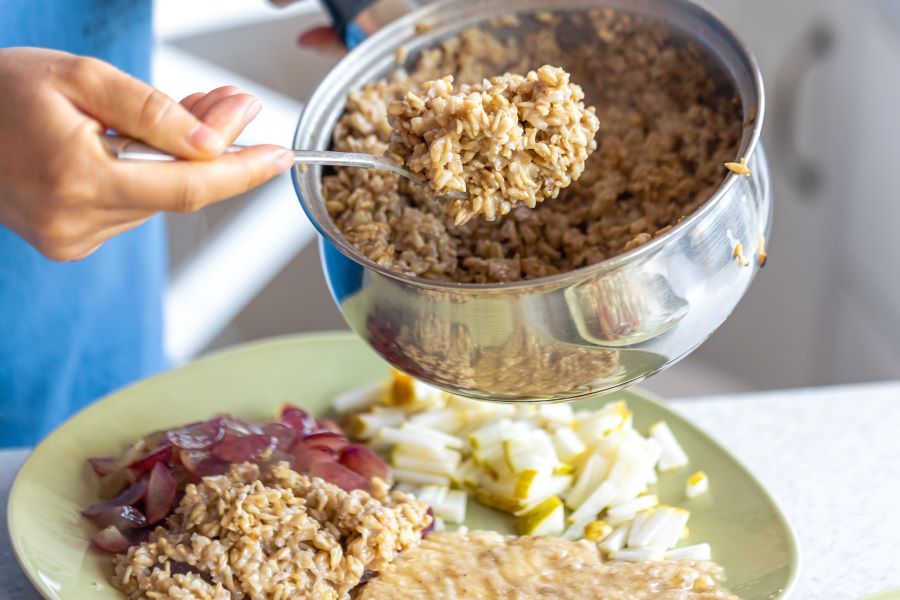
Chickenpox causes oral abrasions/scratches on the patient's body. Spicy foods can aggravate such bruises and cause dehydration. Therefore, one should stick to eating bland food items that do not overstress his/her digestive system. Eating soft and bland food items like rice, pasta, oatmeal, etc., is thus recommended.
Such soothing foods can help with the discomfort and heal a sore throat. Try a variety of the following:
When it comes to caretaking against bumps and scabs raised for chickenpox, focus on the intake of foods that help regain skin health and boost immunity. Here are a few helpful ones:
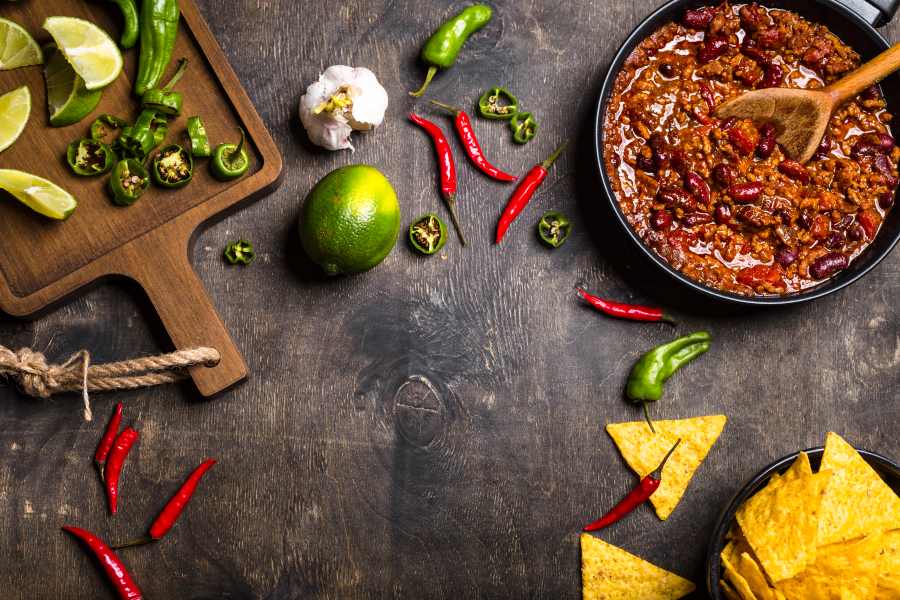
Some food items could worsen the symptoms among people who have chicken pox. Here is the list of food items to avoid when you are afflicted with this viral disease:

When you have this contagious disease, your appetite certainly decreases, and you may feel different symptoms like sore throats and fever. In such cases, you should avoid salty foods like chips, popcorn, salted nuts, and deep-fried foods, as they can worsen such symptoms. Instead, stick to foods that help in battling inflammation and also keep you hydrated.
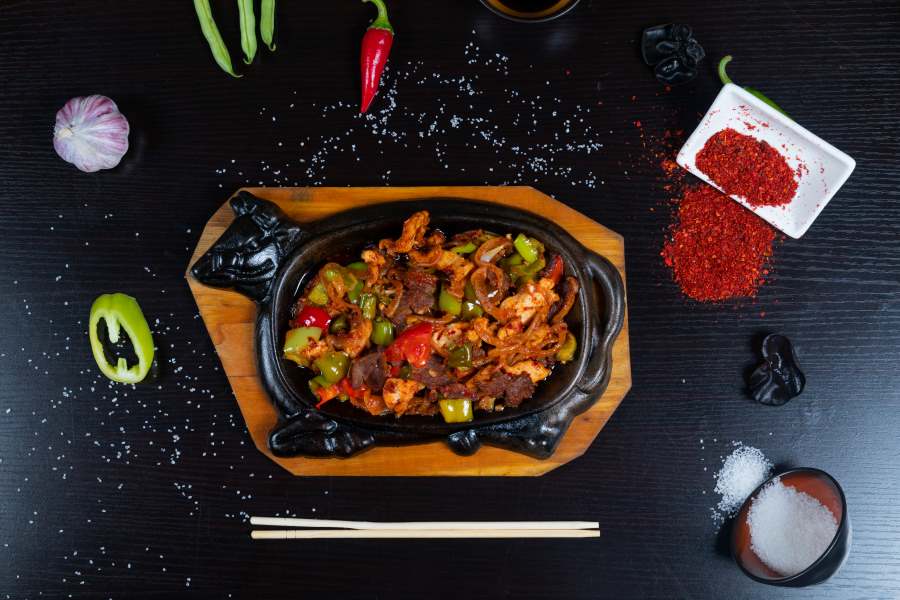
Foods that contain peppers and chillies may irritate your mouth and should not be added to your diet for chicken pox. Such spicy food will not help you recover, and it also disrupts your digestive system.
On the other hand, accidentally getting a chilli or pepper in contact with your skin may increase inflammation and irritation.

According to many medical professionals, saturated fats can increase the rate of inflammation in a person suffering from chicken pox. Therefore, one must avoid having foods rich in high cholesterol and trans fats. In addition, cheese, red meat, and butter also slow down the healing process after infection of chicken pox.
Therefore, including these kinds of food during this phase creates toxins and reduces good cholesterol.

High sugar consumption directly weakens the body's immune response because blood sugar highs and lows can weaken resistance against infection. Besides, high sugar consumption may lead to inflammation, worsen symptoms, or reduce healing. Reducing the intake of sugary foods may support a stable immune response.

Sometimes, with the excess mucus or digestive discomfort it may cause, dairy irritates symptoms more, especially when one has sores in the mouth or throat. Though this isn't the case for everyone, many individuals find that dairy products tend to increase symptom severity or make eating and drinking uncomfortable.
Therefore, including these kinds of food during this phase creates toxins and reduces good cholesterol.

Chickenpox is an infection that is caused by the VZV (Varicella-Zoster Virus). This is an extremely contagious virus belonging to the herpesvirus family, which contains over 100 viruses such as herpes simplex virus, Epstein-Barr virus, and more. These pathogens affect the skin, tissues, mucous membranes, etc.
The VZV spreads through contact with an infected person from blisters that appear on their skin. It can also spread through fluids from sneezing and coughing. Chickenpox infections mostly affect children, but adults who contract this disease can become severely ill. Only previously contracting this disease and vaccinations prevent chicken pox.
Chickenpox has no known cure. However, your pharmacist has medications that can ease your discomfort. In addition to prescribing medication, a doctor may offer guidance on how to minimise itching and suffering as well as how to stop the infection from spreading. Among them are:
Most children's blisters crumble and eventually fall off independently in one to two weeks. Antiviral medication may be helpful if adults with chickenpox are discovered early enough.
Here are specific points one must keep in mind while planning a diet for a chicken pox patient.
Chickenpox is not a deadly disease but may cause significant health concerns in pregnant women, children, or older people. In addition, this disease lowers immunity; therefore, one should maintain a proper diet for chicken pox, as discussed above.
In addition, one should also check the medication prescribed by doctors and homemade remedies that might result in prompt recovery.
Protect What Matters - Explore Other Insurance Options