General
Life
Accessibility Options


General

General Products
Simple & Transparent! Policies that match all your insurance needs.
 Car Insurance
 Two Wheeler Insurance
 Commercial Vehicle Insurance
 Health Insurance
 Home Insurance
 Travel Insurance
 Business Insurance
Car Insurance
Two Wheeler Insurance
Commercial Vehicle Insurance
Health Insurance
Travel Insurance
Business Insurance
Car Insurance
Two Wheeler Insurance
Commercial Vehicle Insurance
Health Insurance
Travel Insurance



Scan to download

Life

Life Products
Digit Life is here! To help you save & secure your loved ones' future in the most simplified way.
 Term Life
 Savings Plan
 Retirement and Pension Plans
 Group Life Products
 Product Documents
Term Life
Savings Plan
Group Life Products
Product Documents
Term Life
Savings Plan
Group Life Products
Scan to download

Claims

Claims
We'll be there! Whenever and however you'll need us.
 Customer Support
 Motor Claims
Health Claims
Motor Claims
Health Claims
 Marine Insurance
 Grievance Redressal
Customer Support
Motor Claims
Health Claims
Marine Insurance
Grievance Redressal
Grievance Redressal
Customer Support
Motor Claims
Health Claims
Marine Insurance
Grievance Redressal

Scan to download
 General
 Life
General
Life
Life
General
Life
Renewals
Resources

Resources
All the more reasons to feel the Digit simplicity in your life!
Exclusive Features
 Transparency Report
Others
Exclusive Features
Transparency Report
Transparency Report
Others
Exclusive Features
Transparency Report
Scan to download


Our WhatsApp number cannot be used for calls. This is a chat only number.

 Grey Scale
 Readable Text
 Reset
Reset



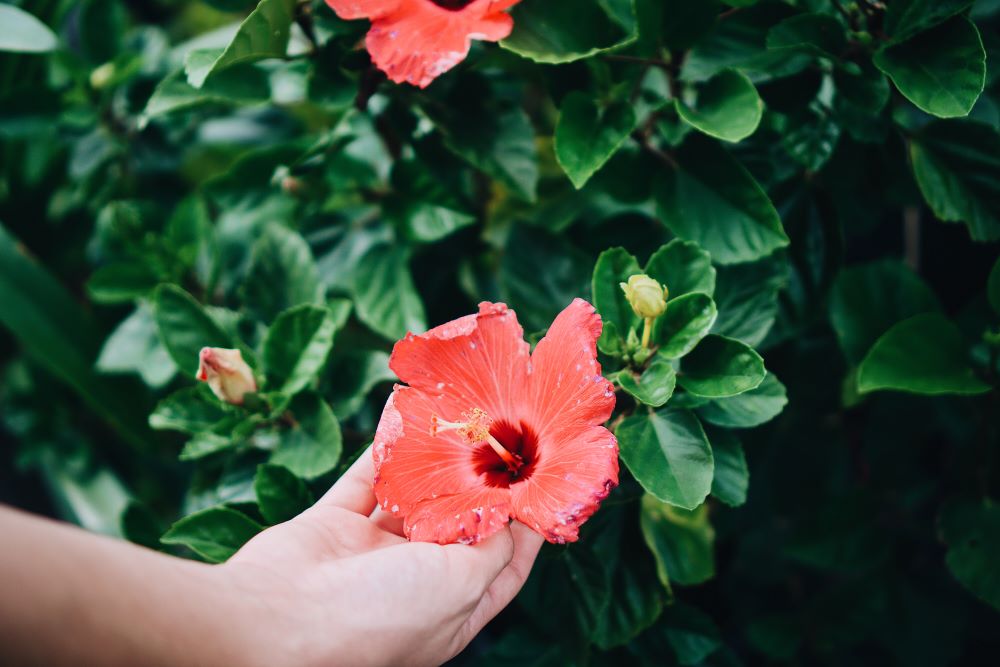
Hibiscus is a plant of the Malvaceae group and is a very common plant in nature. There are almost 300 flowering Hibiscus plants, but among them, the most beneficial is Hibiscus Sabdariffa Linne.
Moreover, this Hibiscus plant is very common in nearly every region with moderate temperatures. Hence, in Ayurveda and herbal treatment, the importance of Hibiscus is never-ending. It can be used in treating multiple health issues. Keep scrolling to learn more about the top health benefits of Hibiscus, its uses, and its limitations.

Table Of Contents

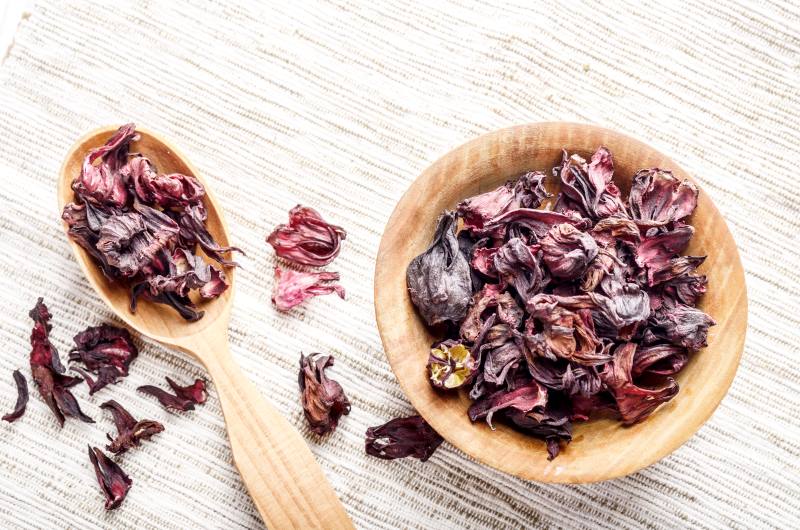
Hibiscus has a lot of advantages for both health and well-being. The benefits of Hibiscus are as follows:
High blood pressure is a universal problem that affects a huge portion of the global population. High blood pressure leads to hypertension and other physical issues. Hibiscus has unique properties that protect the condition of the heart and blood vessels. Therefore, it reduces high blood pressure and effectively lowers hypertension.
Due to lifestyle disorders or any other physical illness, people can face severe liver issues. Hibiscus has antioxidants that help control free radicals in liver tissues and other inflammations. Therefore, one can consume Hibiscus tea to get the most effective result in a simple way.
One of the major medicinal benefits of Hibiscus is its antibacterial properties. Hibiscus tea has Vitamin C or ascorbic acid, which is effective for boosting immunity. Further, the anti-bacterial function helps control the common cold and flu occurrence. Therefore, it is an excellent natural remedy for fever.
Menstrual pain is very prevalent in women for different causes. However, the main reason is hormonal imbalance, which can be treated excellently with the help of Hibiscus tea. In addition, it can also help in reducing mood swings, depression, and other premenstrual syndromes.
Another advantage of Hibiscus is it has weight losing capabilities. Regular drinking of Hibiscus tea lowers the secretion of amylase, which absorbs starch, sugar, and carbohydrates in the body. Therefore, your body will have lower levels of sugar which further helps in losing weight. So, it is advisable to include Hibiscus tea in your daily diet to cut the harmful effects of carbohydrates.
High cholesterol causes devastating effects on the human body. A high amount of LDL cholesterol damages the blood vessels and raises the chances of cardiovascular diseases. Hence, regular consumption of Hibiscus tea can reduce the production of LDL cholesterol and improve your health.
A daily dose of Hibiscus can prevent the further growth of cancer cells. This is because the plant has protocatechuic acid, which is effective in reducing tumour size and malignant cell development. In addition, the plant's extract accelerates the process of apoptosis, which is the process of cell death.
Hibiscus tea consists of hypolipidemic and hypoglycemic properties. These properties are highly beneficial for reducing blood sugar levels. Further, it also lowers triglycerides and low-density lipoprotein cholesterols, which help to manage blood sugar effectively.
Hibiscus tea contains beneficial properties that can help improve bowel movement. Further, it also treats problems with urination. In addition, Hibiscus is highly effective for the gastrointestinal system and helps prevent colorectal cancer.
The anti-ageing capabilities of Hibiscus are among the most important benefits. Regular consumption of Hibiscus tea can effectively reduce the age marks such as wrinkles on your skin. Further, it helps to retain the elasticity and softness of your skin.
In the present time, every other person is facing issues of depression, stress, and anxiety. Of course, lifestyle disorder is the primary cause of it. However, apart from medical help, you can also include Hibiscus tea in your daily diet. It has flavonoids and other important vitamins and minerals that help treat neurological disorders and reduce depression and anxiety.
The health benefits of the hibiscus include the improvement of hair health. Research shows that the extract of Hibiscus flowers and leaves is extremely beneficial for blood circulation to hair follicles. Rubbing this extract on the scalp, mixed with oil, boosts blood circulation and promotes hair growth. Further, the Hibiscus flower has vitamins, pigments, and antioxidants that are highly beneficial for the texture and quality of hair.
In ancient days, Hibiscus was used as a medicine to treat skin issues. The plant has mucilages that treat several skin diseases and calm the burning sensation. Further, mucilage extract possesses glycerine that retains the skin's moisturising factors.
There are multiple benefits of Hibiscus on kidney health. It reduces the amount of cholesterol, lipids, and triglycerides, lowering the chance of oxidative damage. Further, the plant can stimulate uric acid emission through urine, which helps the body in several ways. It is also beneficial for preventing the storing of calcium crystals in the kidneys.
There are many unknown beneficial facts about Hibiscus. Treating conjunctivitis is one of those. In addition, some research has found that the Hibiscus plant's leaf juice can help treat conjunctivitis. However, more research is needed for the final statement.
The Hibiscus plant is packed with antioxidants like anthocyanins and flavonoids, which are highly anti-inflammatory. These chemicals can be used to shrink soreness in your body that might come with issues of inflammatory pain such as arthritis and other inflammatory diseases.
The hibiscus is an abundant vitamin C source that is essential for immune system functionality. Vitamin C acts as an antioxidant by neutralising free radicals that can damage cells in the body.
Hibiscus contains compounds that may enhance insulin sensitivity and control glucose metabolism. This herb regulates normal blood sugar levels, thereby reducing the chances of contracting type 2 diabetes mellitus at large.
Hibiscus promotes general heart health. These antioxidants help reduce oxidative stress, harming blood vessels and leading to heart disease. Furthermore, it also helps expand blood vessels, thereby improving circulation and reducing hypertension.
Hibiscus is a natural diuretic capable of increasing urinary output, enabling excess fluids to be eliminated from the body. It works best for people with water retention or bloating problems.
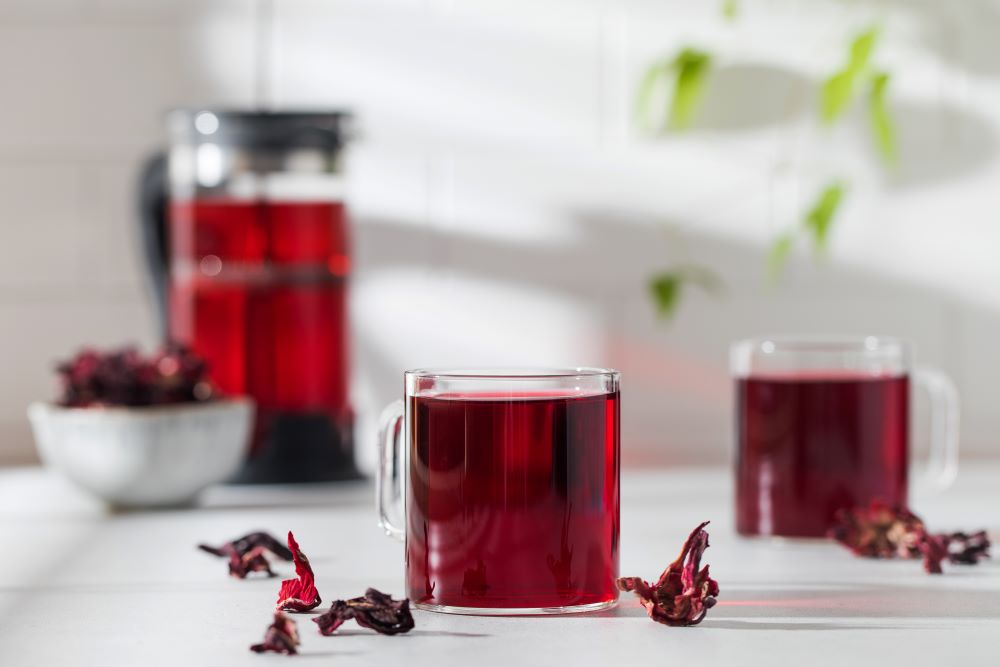
Hibiscus can be either consumed or applied on skin and hair. The usage of Hibiscus is as follows:
Therefore, the most popular method of consuming Hibiscus is tea, a drink of great taste and multiple health benefits.
Hibiscus is known for its health benefits, especially when taken as tea or supplements. The table below gives us an approximate read of Hibiscus’ nutrition values:
Calculate Your Health Metrics Instantly
Despite its numerous benefits, there are some potential risk factors for its usage. These are as follows
Lowers blood pressure very quickly. People with low blood pressure or who are on medication for high blood pressure must avoid Hibiscus consumption to avoid hypotension (abnormally lowering blood pressure).
Consumption of Hibiscus in any form may sometimes make you lose wakefulness and, therefore, affect your normal daily routine. Therefore, consume in small quantities first to avoid drowsiness.
Some people with conditions that are sensitive to hormones could be worried about the way in which Hibiscus will impact their oestrogen levels. Therefore, consult a doctor before consuming Hibiscus.
Causes menstrual flow during pregnancy. There is fear that Hibiscus can lead to increased menstrual flow, as it can stimulate uterus contractions, making it unsafe for expectant mothers.
In rare cases, some consumers have had hallucinations associated with excessive consumption of Hibiscus. Therefore, test the Hibiscus first in small quantities to check for any effects like hallucinations.
Considering the risk factors, it is always advisable to consume Hibiscus after consulting with an expert.
Although Hibiscus has high health benefits and usage, its consumption must be thought through. The precautions of using Hibiscus are as follows:
Hibiscus has many health benefits; however, certain people should avoid it for obvious reasons. These people are:
If you have low blood pressure, eating Hibiscus can be dangerous because it can lower your blood pressure than the initial count. This can lead to dizziness, fainting, and, in some severe cases, shock.
There is little research on the safety of using Hibiscus during pregnancy, but some of the studies indicate that it may work as an emmenagogue, which can eventually lead to menstruation in pregnant women.
Few studies have been done on how the consumption of Hibiscus affects breastfeeding mothers and also their babies. Some teas made with Hibiscus are safe, while others can have unknown or harmful effects.
Hibiscus might interact with antimalarial drugs, making them ineffective. Therefore, patients suffering from malaria must avoid using Hibiscus to have the correct diagnosis and treatment.
Hibiscus could affect the sugar level within a person's blood and may also act as a blood thinner, thus complicating surgical procedures. It can interfere with blood clotting, increasing bleeding at or after surgery.
Therefore, the discussion has revealed the potential health benefits of Hibiscus and other associated risk factors. Like any other herb, Hibiscus also has some side effects which might harm some people. Therefore, consulting a doctor and making a daily dosing chart is important. If you consume Hibiscus in the right proportion, then you can get the maximum benefit from it.
Protect What Matters - Explore Other Insurance Options