General
Life
Accessibility Options


General

General Products
Simple & Transparent! Policies that match all your insurance needs.
 Car Insurance
 Two Wheeler Insurance
 Commercial Vehicle Insurance
 Health Insurance
 Home Insurance
 Travel Insurance
 Business Insurance
Car Insurance
Two Wheeler Insurance
Commercial Vehicle Insurance
Health Insurance
Travel Insurance
Business Insurance
Car Insurance
Two Wheeler Insurance
Commercial Vehicle Insurance
Health Insurance
Travel Insurance



Scan to download

Life

Life Products
Digit Life is here! To help you save & secure your loved ones' future in the most simplified way.
 Term Life
 Savings Plan
 Retirement and Pension Plans
 Group Life Products
 Product Documents
Term Life
Savings Plan
Retirement and Pension Plans
Group Life Products
Product Documents
Term Life
Savings Plan
Retirement and Pension Plans
Group Life Products
Scan to download

Claims

Claims
We'll be there! Whenever and however you'll need us.
 Customer Support
 Motor Claims
Health Claims
Motor Claims
Health Claims
 Marine Insurance
 Grievance Redressal
Customer Support
Motor Claims
Health Claims
Marine Insurance
Grievance Redressal
Grievance Redressal
Customer Support
Motor Claims
Health Claims
Marine Insurance
Grievance Redressal

Scan to download
 General
 Life
General
Life
Life
General
Life
Renewals
Resources

Resources
All the more reasons to feel the Digit simplicity in your life!
Exclusive Features
 Transparency Report
Others
Exclusive Features
Transparency Report
Transparency Report
Others
Exclusive Features
Transparency Report
Scan to download


Our WhatsApp number cannot be used for calls. This is a chat only number.

 Grey Scale
 Readable Text
 Reset
Reset



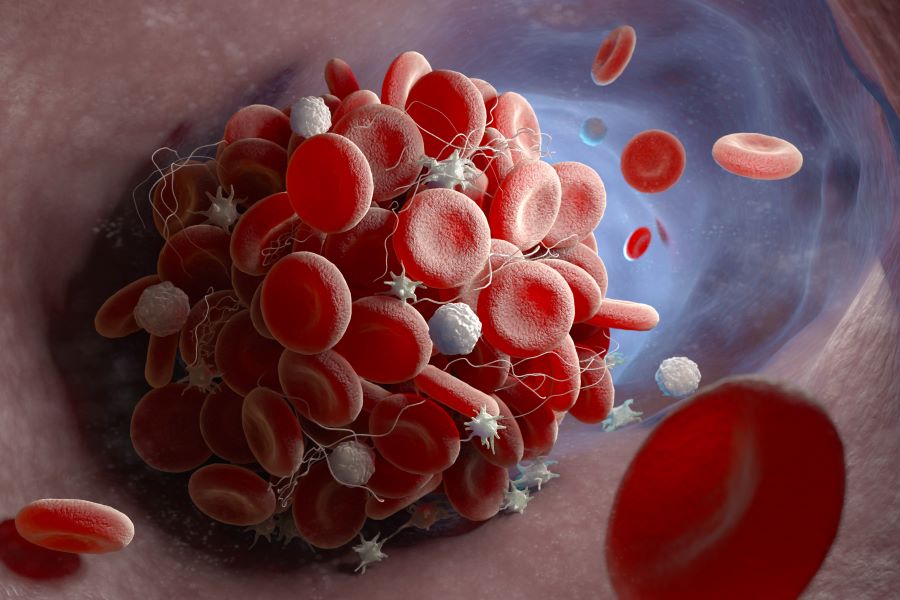
Coagulation, or blood clotting, is an integral process in the body. If you have landed on this page searching for which vitamin helps in blood clotting, you will get your answer right away! It is vitamin K!
Among the many vitamins that aid body functions, vitamin K is prominent for its critical part in blood coagulation. It helps to make proteins necessary for forming clots, thus ensuring proper injury healing.
It can also be considered a top vitamin for blood circulation in the legs. Continue reading to learn about how this vitamin helps blood clotting and all related facts!

Table of Contents

Vitamin K plays a vital role in blood clotting. However, unlike several other vitamins, this one is not usually administered as a dietary supplement.
Vitamin K is fat-soluble. It is divided into subcategories, mainly vitamin K1 and vitamin K2. Phylloquinone, or vitamin K1, is obtained from plants, especially green leafy vegetables such as kale and spinach.
On the other hand, vitamin K2 or menaquinone works similarly as vitamin K1 and is created naturally in the intestinal tract. Among food sources, it can be obtained largely from eggs, meat and cheese.
After an injury, the bleeding would continue unimpeded without a way to stop the flow. Clotting is the body’s natural process to prevent excess bleeding, without which even a small wound cause a person to bleed out. Blood clots refer to clumps of the blood of different sizes, which form in the interiors of the human body.
However, they can also cause harm by blocking the flow of blood to vital regions of the body. These clots can again be of two types – one that does not move about in the body and stay in place and another that breaks away from the site and moves to different body regions.
Prothrombin is a protein and clotting factor which is required for bone metabolism and the blood to clot. The body cannot produce prothrombin without vitamin K. This vitamin is responsible for blood clotting as it helps regulate the blood coagulation process by converting some coagulation factors to their mature forms.
Now, to fully understand the role of vitamins in blood clotting, one must have an idea about how to regulate the formation of a blood clot. For that, it is important to be clear about hemostasis. The term haemo refers to blood, and stasis means to stop or halt. Hemostasis can be divided into two phases: secondary and primary hemostasis.
Primary hemostasis includes generating a platelet plug surrounding the site of the damaged blood vessel. On the other hand, secondary hemostasis creates a protein mesh known as fibrin and reinforces the platelet plug.
A set of coagulation factors should be activated to get to fibrin. All of these coagulation factors are enzymes activated through a process known as proteolysis. There are 12 coagulation factors, starting from I to XIII—factor VI is absent. Vitamin K is essential for the blood clotting process through these factors' assimilation.
The majority of these factors are formed by liver cells, and the production of coagulation factors II, VII, IX, and X needs an enzyme that uses vitamin K. This answers your query as to which vitamin is essential for blood clotting.
The quantity of vitamin K an individual must take depends on sex and age. As an approximation, adults generally require 1 microgram of vitamin K per day per kilogram of body weight.
This means an individual weighing 65 kg would require 65 micrograms of vitamin K daily. The adequate daily intake of this vitamin is listed below as per the respective age groups of the individuals:
| Different Age Groups | Daily intake of Vitamin K |
| Infants with ages between 0 to 6 months | 2 mcg |
| Infants with ages between 6 months to 1 year | 2.5 mcg |
| Children with ages between 1 to 3 years | 30 mcg |
| Children aged between 4 to 8 years | 55 mcg |
| Children with ages between 9 to 13 years | 60 mcg |
| Children with ages between 14 to 18 years | 75 mcg |
| Men with ages between 19 years and older | 120 mcg |
| Women with ages between 19 years and older | 90 mcg |
| Women who are currently breastfeeding and aged over 19 years | 90 mcg |
Useful Tools to Track Your Health
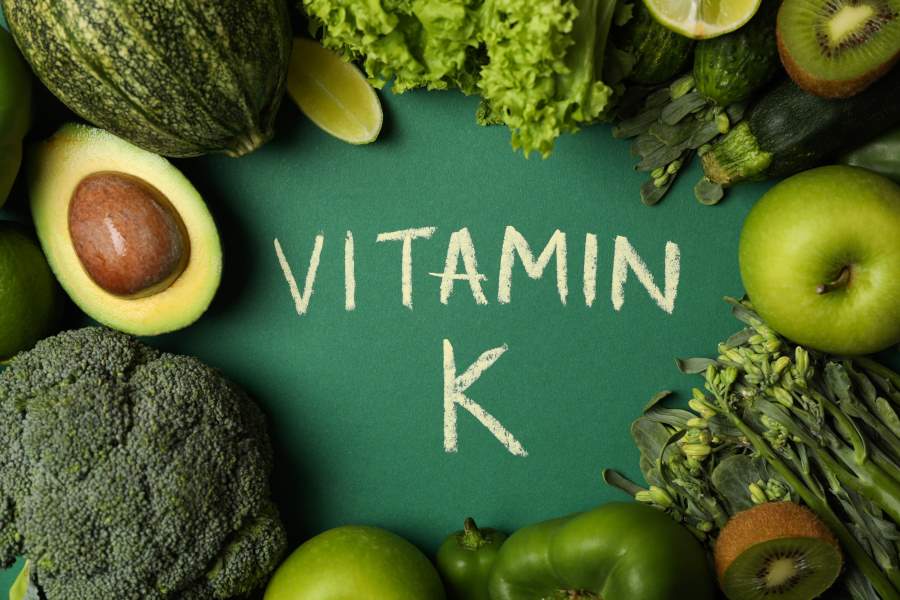
Vitamin K can be obtained by individuals from a number of sources. These include both food sources and dietary supplements.
Food sources of phylloquinone are vegetables, and this includes especially the green leafy ones, some fruits and vegetable oils. Dairy products, eggs and meat consist of a less amount of phylloquinone but decent amounts of menaquinone. Menaquinone can also be found in fermented foods like cheese.
But the amounts and forms of vitamin K present in these foods vary on certain factors. Animals synthesise MK-4 from a synthetic form of vitamin K known as menadione, which can be utilised in swine feed and poultry. Hence, pork and poultry products consist of MK-4 if the animal feed contains menadione.
There are some foods that are fortified with vitamin K like meal replacement bars and shakes.
Listed below are some foods, which act as good sources of vitamin K:

Vitamin K is important for blood clotting and assists in the production of clotting factors in the liver. Including vegetables high in Vitamin K can help with these important functions.
| S.No | Vegetables (100g) | Nutritional Value |
| 1 | Cooked Kale | 817 mcg |
| 2 | Cooked Mustard Greens | 593 mcg |
| 3 | Raw Swiss Chard | 830 mcg |
| 4 | Cooked Collard Greens | 407 mcg |
| 5 | Cooked Broccoli | 141 mcg |
| 6 | Cooked Brussels Sprouts | 140 mcg |
| 7 | Cooked Green Beans | 48 mcg |
| 8 | Cooked Beet Greens | 484 mcg |
| 9 | Cooked Cabbage | 109 mcg |
| 10 | Raw Spinach | 483 mcg |
| 11 | Fresh Parsley | 1640 mcg |
| 12 | Cooked Green Peas | 26 mcg |
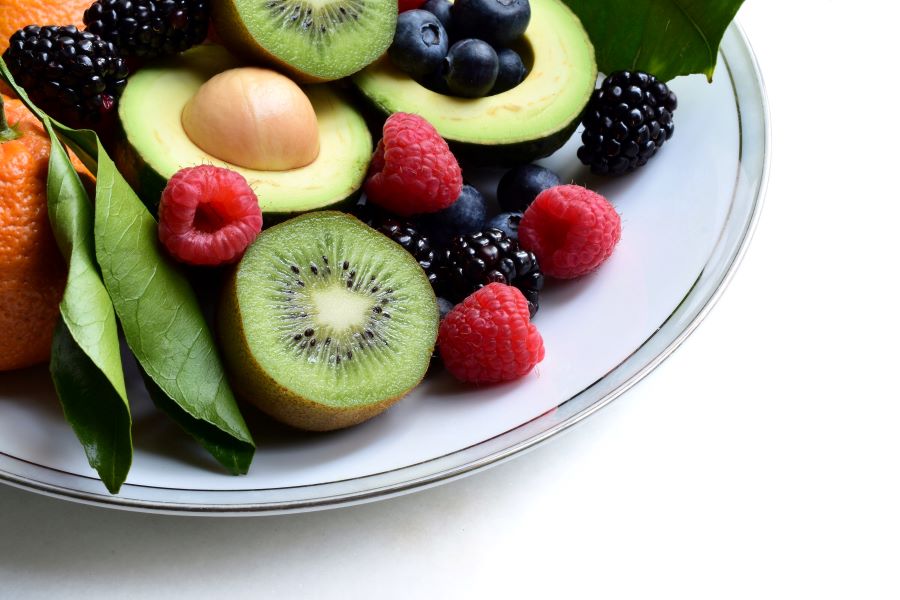
Fruits generally have lower amounts of vitamin K than vegetables, but some varieties can still contribute this nutrient to your overall intake.
| S.No | Fruits | Nutritional Value |
| 13 | Prunes (100 g) | 60 mcg |
| 14 | Kiwi (1 medium-sized) | 28 mcg |
| 15 | Avocado (1 medium-sized) | 42 mcg |
| 16 | Blackberries (100 g) | 20 mcg |
| 17 | Pomegranate (1 cup) | 28 mcg |
| 18 | Dried Figs (100 g) | 16 mcg |
| 19 | Grapes (100 g) | 15 mcg |
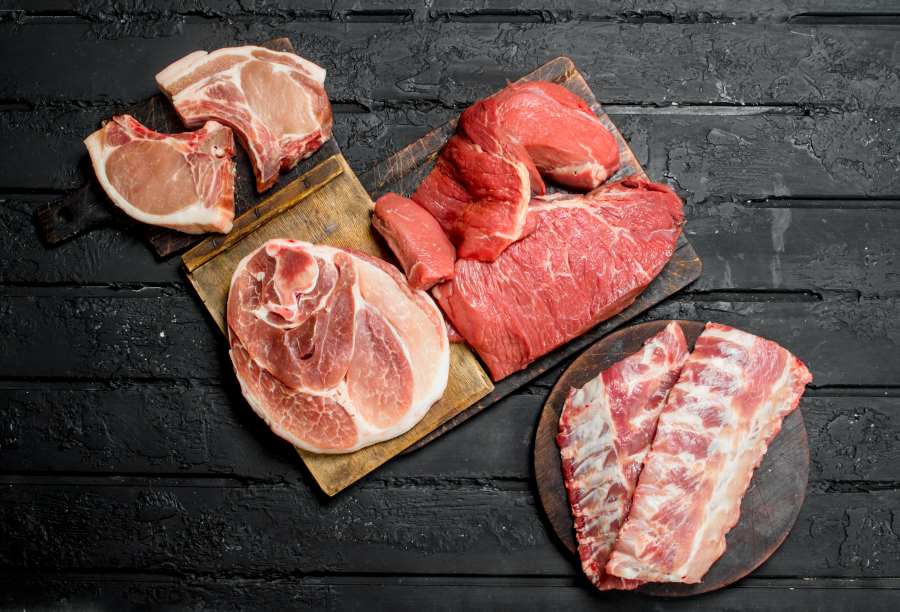
Animals also contain these vitamins but with fewer contents compared to plant-based sources. Here is a list of a few animal-based foods that contain a small amount of vitamin K.
| S.No | Non- Vegetarian Food Items (per 100g) | Nutritional Value |
| 20 | Beef Liver | 106 mcg |
| 21 | Pork Chops | 69 mcg |
| 22 | Chicken | 60 mcg |
| 23 | Goose Liver Paste | 369 mcg |
| 24 | Ground Beef | 9.4 mcg |
| 25 | Bacon | 35 mcg |
| 26 | Pork Liver | 7.8 mcg |
| 27 | Beef Kidneys | 5.7 mcg |
| 28 | Duck Breast | 5.5 mcg |
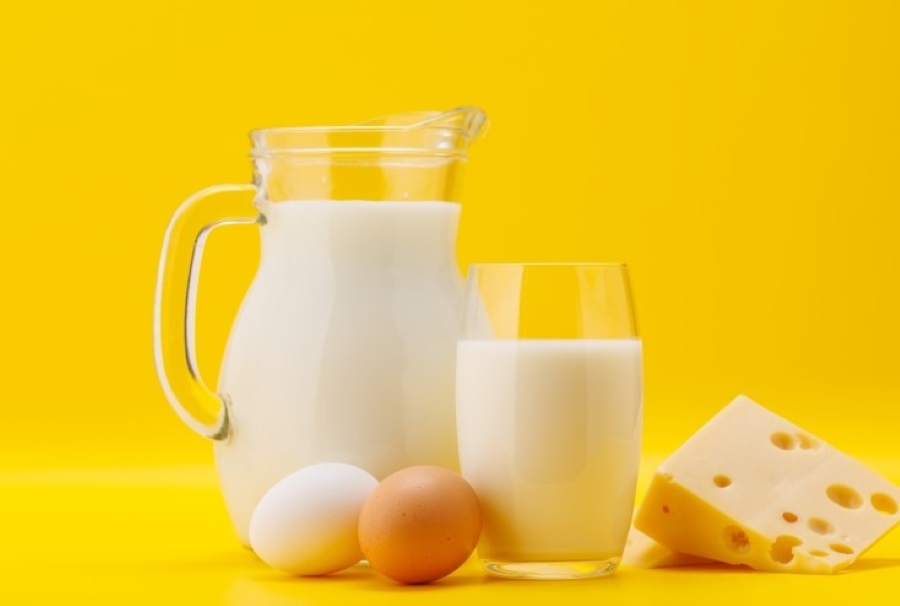
Some dairy products can provide moderate vitamin K levels, especially select cheese and milk types. Here is a list of a few dairy products:
| S.No | Dairy Products (100 g) | Nutritional Value |
| 29 | Hard Cheese | 87 mcg |
| 30 | Soft Cheese | 59 mcg |
| 31 | Egg Yolk | 34 mcg |
| 32 | Butter | 21 mcg |
| 33 | Whole Milk | 1.3 mcg |
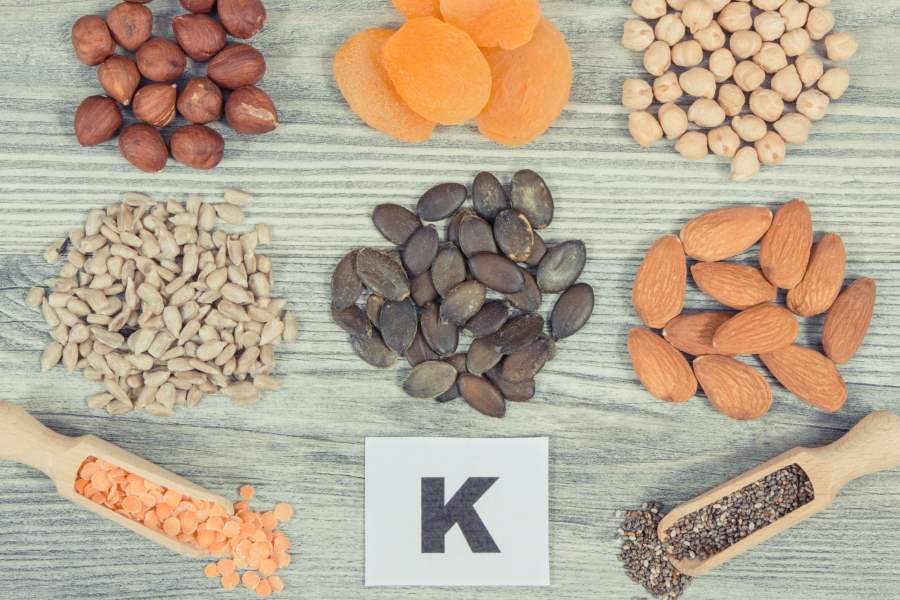
Nuts and legumes also contain vitamin K in a good amount, which is essential for blood clotting. Some of the selected options are as follows:
| S.No | Nuts and Legumes (100 g) | Nutritional Value |
| 34 | Natto | 1103 mcg |
| 35 | Soybeans | 33 mcg |
| 36 | Soybean Oil | 184 mcg |
| 37 | Cashews | 34 mcg |
| 38 | Hazelnuts | 14 mcg |
| 39 | Pine nuts | 54 mcg |
| 40 | Walnuts | 2.7 mcg |
The above list of foods can help greatly after knowing which vitamin helps in blood clotting.
When vitamin K is consumed orally, the fat-soluble vitamins K1 and K2 do not result in symptoms of hypervitaminosis K. Even if taken in large amounts, they aren’t toxic in nature. However, toxicity can occur due to menadione, which is sometimes referred to as vitamin K3.
Though this vitamin is needed for blood clotting, normal individuals must also take it in appropriate quantities, as an excessive amount of vitamin K3 might cause a reduction in blood sugar levels.
Therefore, individuals who have diabetes must monitor these levels if they are being administered a vitamin K supplement. Vitamin K toxicity can cause other effects, such as jaundice and anaemia (caused by red blood cell rupture).
Excessive or unnatural blood clotting could potentially lead to serious health problems such as deep vein thrombosis, pulmonary embolism, and stroke. However, specific dietary and lifestyle changes aimed at maintaining proper blood flow and avoiding unnecessary clot formation may prevent these problems.
Omega-3 fatty acids reduce the risk of blood clotting and inflammation, promoting heart health.
Garlic, ginger, turmeric, and cinnamon have properties that thin the blood naturally, hence preventing clots from forming.
The antioxidants and vitamins in fruits and vegetables can improve blood vessel health and circulation.
Proper hydration ensures an adequate blood volume available for circulation, thus reducing the incidence of clotting.
Aerobic exercises help promote blood flow within the body while reducing stagnancy that causes accumulation.
During long hours of sitting down, standing up occasionally keeps the legs' blood from stagnating, lowering the chances of developing clots.
Doing aerobic exercises helps the blood flow smoothly, reducing the chances of getting a clot.
People should change positions frequently while sitting for long periods of time to avoid the formation of clots in their veins.
A good diet and regular workouts help reduce strain on the cardiovascular system and limit the chances of developing clot-related disorders.
When you quit smoking, it has potential benefits to your heart, such as reducing the risks associated with blood vessel damage and promoting anti-clotting activity.
Excessive drinking has been shown to affect platelet functions, thus increasing clot formation tendencies in a person’s body.
Meditation, yoga, deep breathing exercises, and enough sleep can lower one's blood pressure, which is good for the heart and reduces blood clotting risk.
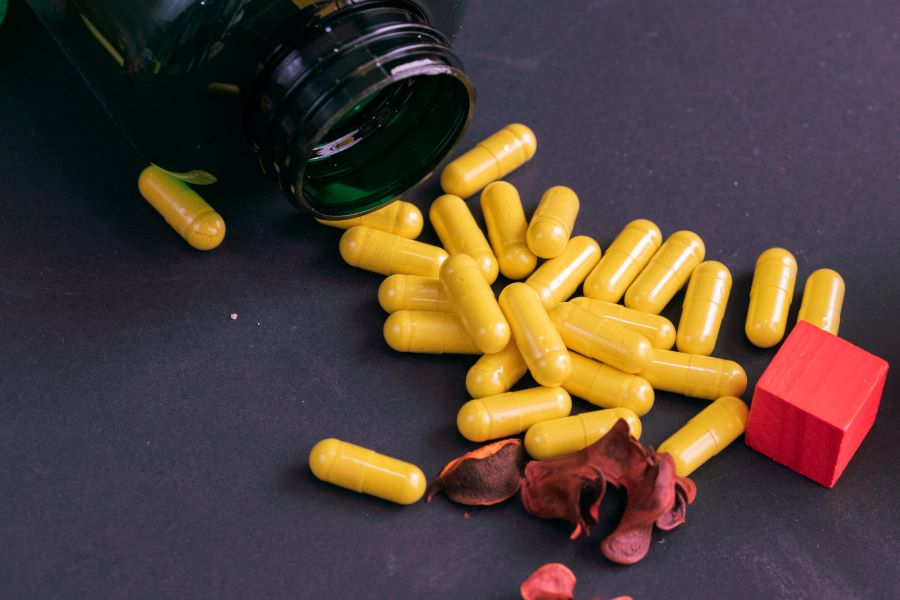
Vitamin K supplements are important for healthy blood clotting, especially among people at risk of deficiency or poor absorption. They exist as vitamin K1 (phylloquinone) and Vitamin K2 (menaquinone), which foster the synthesis of clotting factors that help to prevent excessive bleeding.
Moreover, vitamin K intake must be consistent among patients taking anticoagulant medications like warfarin to stabilise medication effects and minimise bleeding risks. Furthermore, Vitamin K supports bone health by assisting the carboxylation of osteocalcin, facilitating proper bone mineralisation. Although toxicity is rare, taking Vitamin K supplements requires medical supervision to avoid drug interactions and ensure correct dosage.
Adequate Vitamin K intake through diet or supplements is crucial for maintaining proper blood clotting function. A deficiency in Vitamin K can lead to increased bleeding risk and other health complications.
Now that you know which vitamin is necessary for blood clotting, visit a nutritionist and optimise your diet. He/she can help you receive the desired vitamin K, avoiding both deficiency and toxicity.
Protect What Matters - Explore Other Insurance Options
All babies have low levels of vitamin K when they are born. This particular vitamin cannot cross the placenta, leading to deficiencies. Also, breast milk contains minimal amounts of vitamin K.
Since all newborn babies have low vitamin K levels, there is a requirement for this vitamin from some other source. Hence a shot for vitamin K is necessary as it is the best way to ensure sufficient levels of this micronutrient in infants.
Primarily in the form of phylloquinone, vitamin K is absorbed in a particular form which, after solubilisation, remains unchanged. The absorption occurs in the intestine’s proximal parts after the products of pancreatic lipolysis and bile salts form micelles with phylloquinone’s soluble form.
Since these vitamins are fat-soluble in nature, they are stored commonly in fatty tissues.
Following are the symptoms of vitamin K deficiency: