General
Life
Accessibility Options


General

General Products
Simple & Transparent! Policies that match all your insurance needs.
 Car Insurance
 Two Wheeler Insurance
 Commercial Vehicle Insurance
 Health Insurance
 Home Insurance
 Travel Insurance
 Business Insurance
Car Insurance
Two Wheeler Insurance
Commercial Vehicle Insurance
Health Insurance
Travel Insurance
Business Insurance
Car Insurance
Two Wheeler Insurance
Commercial Vehicle Insurance
Health Insurance
Travel Insurance



Scan to download

Life

Life Products
Digit Life is here! To help you save & secure your loved ones' future in the most simplified way.
 Term Life
 Savings Plan
 Retirement and Pension Plans
 Group Life Products
 Product Documents
Term Life
Savings Plan
Retirement and Pension Plans
Group Life Products
Product Documents
Term Life
Savings Plan
Retirement and Pension Plans
Group Life Products

Scan to download

Claims

Claims
We'll be there! Whenever and however you'll need us.
 Customer Support
 Motor Claims
Health Claims
Motor Claims
Health Claims
 Marine Insurance
 Grievance Redressal
Customer Support
Motor Claims
Health Claims
Marine Insurance
Grievance Redressal
Grievance Redressal
Customer Support
Motor Claims
Health Claims
Marine Insurance
Grievance Redressal

Scan to download
 General
 Life
General
Life
Life
General
Life
Renewals
Resources

Resources
All the more reasons to feel the Digit simplicity in your life!
Exclusive Features
 Transparency Report
Others
Exclusive Features
Transparency Report
Transparency Report
Others
Exclusive Features
Transparency Report

Scan to download


Our WhatsApp number cannot be used for calls. This is a chat only number.

 Grey Scale
 Readable Text
 Reset
Reset



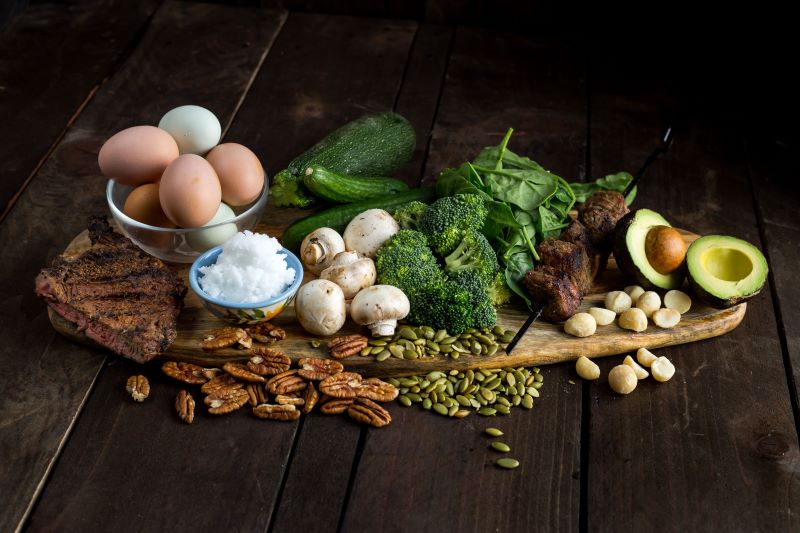
Incorporating Mineral Rich foods into your diet can significantly enhance your overall health and well-being. These foods, abundant in essential minerals like calcium, iron, potassium, and zinc, play a crucial role in supporting various bodily functions, from bone strength to immune system function. By prioritising a diet rich in fruits and vegetables brimming with minerals, you can ensure your body receives the necessary nutrients for optimal functioning.

Table of Contents

Minerals are silent workers in the background of our body’s operations; they may not get much credit, but they are necessary for overall health and wellness. These tiny nutrient particles essentially form the foundation of life itself, participating in everything it has to offer, from strong bones to healthy nerves and even more functions beyond that.
They do all this, keeping themselves hidden behind the curtain so as not to boast too much about their achievements while silently doing what is necessary for smooth bodily performance, without which we would be unable to carry out any complex tasks.
Minerals should get more recognition – ranging from calcium through zinc, and these overlooked heroes deserve some love!
Our bodies have many places to get the minerals they need to be healthy. Luckily, plenty of natural places can provide them. Leafy greens may be found in many different forms, such as dense forests or deep undersea where fish live.
There is no shortage of foods with lots of minerals that people can eat—whether it’s hard-shelled seeds that crunch between your teeth or juicy fruits filled with natural sugars. Everyone should be able to find something they like while still getting all necessary mineral requirements.
Starting on a trip towards prime health frequently means knowing the nutrition facts of what we eat well. Minerals are important in supporting different body functions, such as strengthening bones and regulating metabolism, among others, as well as aiding with nerve work and maintaining fluid balance.
This all-inclusive manual will look at the 38 best foods rich in significant minerals; it ranges from bright-coloured fruits to vegetables full of life, nourishing nuts seeds or even wholesome cereals – everything you need for making wise decisions about meals that would foster good health while ensuring an adequate supply of nutrients each day consumed.
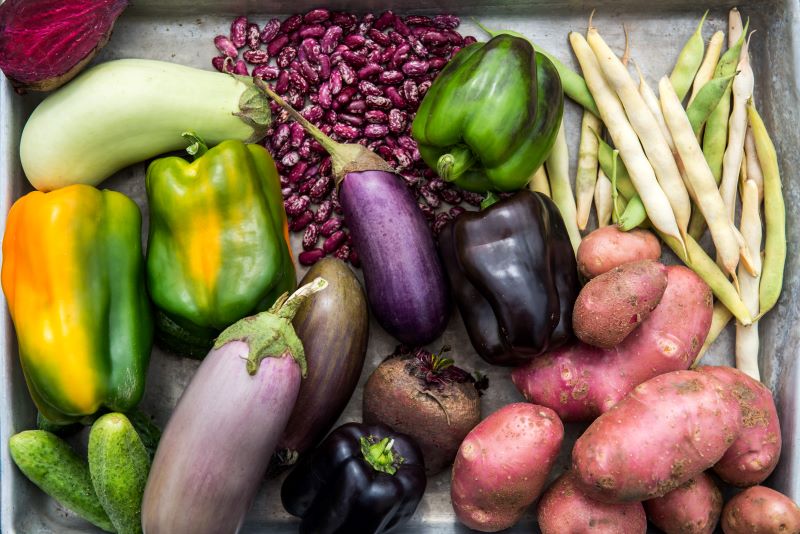
These are vegetables full of minerals; we’ve selected them from all the earth’s fruits and vegetables, making it possible for you to have a balanced diet.
SNo. |
Vegetables | Minerals (Per 100 grams) |
| 1 | Spinach | Calcium: 99 mg |
| 2 | Kale | Calcium: 150 mg Iron: 1.5 mg Magnesium: 47 mg Potassium: 491 mg |
| 3 | Broccoli | Calcium:47 mg Iron: 0.73 mg Magnesium: 21 mg Potassium: 316 mg |
| 4 | Brussels Sprouts | Calcium: 42 mg Iron: 1.4 mg Magnesium: 23 mg Potassium: 389 mg |
| 5 | Asparagus | Calcium: 24 mg Iron: 2.14 mg Magnesium: 14 mg Potassium: 202 mg |
| 6 | Sweet Potato | Calcium: 30 mg Iron: 0.61 mg Magnesium: 25 mg Potassium: 337 mg |
| 7 | Carrots | Calcium: 33 mg Iron: 0.3 mg Magnesium: 12 mg Potassium: 320 mg |
| 8 | Beetroot | Calcium: 16 mg Iron: 0.8 mg Magnesium: 23 mg Potassium: 22 mg |
| 9 | Cauliflower | Calcium: 22 mg Iron: 0.42 mg Magnesium: 15 mg Potassium: 299 mg |
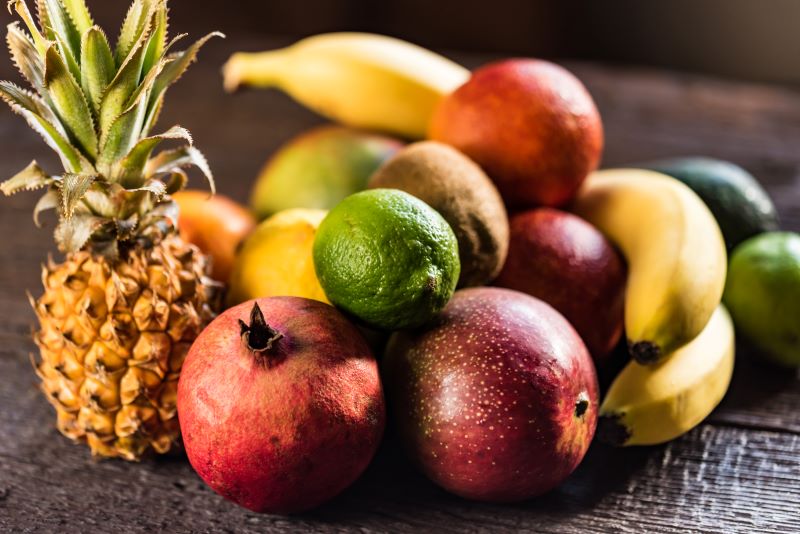
You can satisfy your hunger and get necessary vitamins at the same time by eating these fruits, which contain important nutrients such as minerals that your body needs.
SNo. |
Fruits | Minerals (Per 100 grams) |
| 10 | Bananas | Calcium: 5 mg Iron: 0.3 mg Magnesium: 27 mg Potassium: 358 mg |
| 11 | Oranges | Calcium: 43 mg Iron: 0.1 mg Magnesium: 10 mg Potassium: 181 mg |
| 12 | Avocado | Calcium: 12 mg Iron: 0.6 mg Magnesium: 29 mg Potassium: 485 mg |
| 13 | Figs | Calcium: 35 mg Iron: 0.4 mg Magnesium: 17 mg Potassium: 232 mg |
| 14 | Apricots | Calcium: 13 mg Iron: 0.4 mg Magnesium: 13 mg Potassium: 259 mg |
| 15 | Kiwi | Calcium: 34 mg Iron: 0.3 mg Magnesium: 17 mg Potassium: 312 mg |
| 16 | Dates | Calcium: 39 mg Iron: 0.9 mg Magnesium: 54 mg Potassium: 656 mg |
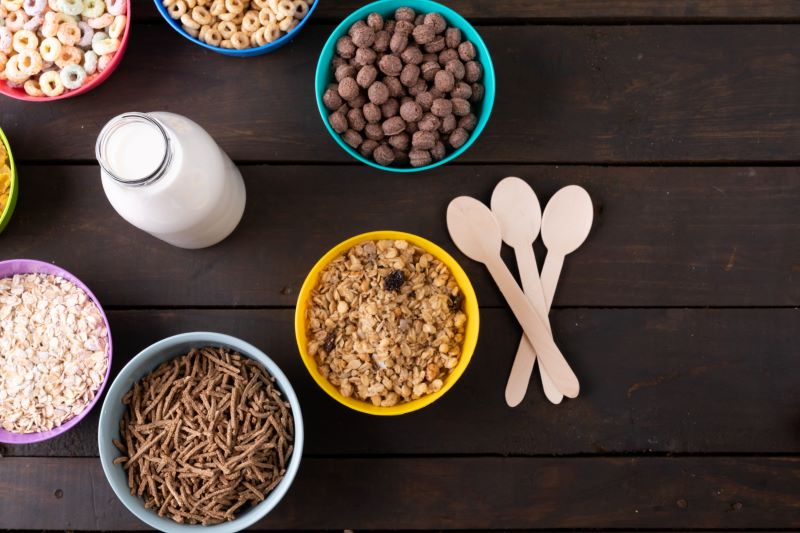
Choose fortified breakfast foods like cereal grains or dairy products if you want something healthy for the beginning of your day; they will give all the necessary mineral elements that should be consumed daily as part of a balanced diet plan!
SNo. |
Cereals and Dairy Products | Minerals (Per 100 grams) |
| 17 | Oatmeal | Calcium: 54 mg Iron: 4 mg Magnesium: 54 mg Potassium: 429 mg |
| 18 | Greek Yoghurt | Calcium: 110 mg Iron: 0.2 mg Magnesium: 11 mg Potassium: 141 mg |
| 19 | Almond Milk | Calcium: 188 mg Iron: 0.8 mg Magnesium: 15 mg Potassium: 146 mg |
| 20 | Cheddar Cheese | Calcium: 721 mg Iron: 0.2 mg Magnesium: 28 mg Potassium: 98 mg |
| 21 | Cottage Cheese | Calcium: 83 mg Iron: 0.1 mg Magnesium: 7 mg Potassium: 104 mg |
| 22 | Skim Milk | Calcium: 125 mg Iron: 0.1 mg Magnesium: 10 mg Potassium: 150 mg |
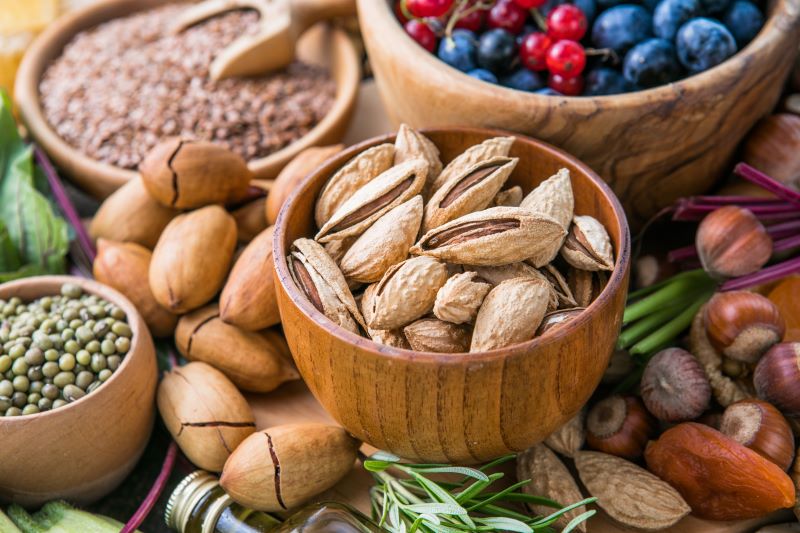
Intake of seeds or nuts with essential minerals added as snacks will boost nutrient content while providing some crunchiness – another way to ensure we’re not missing out on any required nutrients from our meals.
SNo. |
Seeds and Nuts | Minerals (Per 100 grams) |
| 23 | Pumpkin Seeds | Zinc: 7.5 mg Iron: 8.8 mg Magnesium: 592 mg Potassium: 809 mg |
| 24 | Almonds | Zinc: 3.1 mg Iron: 3.7 mg Magnesium: 270 mg Potassium: 733 mg |
| 25 | Cashews | Zinc: 5.8 mg Iron: 6.7 mg Magnesium: 292 mg Potassium: 660 mg |
| 26 | Sunflower Seeds | Zinc: 5 mg Iron: 5.25 mg Magnesium: 325 mg Potassium: 645 mg |
| 27 | Flaxseeds | Zinc: 4.3 mg Iron: 5.73 mg Magnesium: 392 mg Potassium: 813 mg |
| 28 | Chia Seeds | Zinc: 4.58 mg Iron: 7.72 mg Magnesium: 335 mg Potassium: 407 mg |
| 29 | Brazil Nuts | Zinc: 4.06 mg Iron: 2.43 mg Magnesium: 376 mg Potassium: 659 mg |
| 30 | Walnuts | Zinc: 3.09 mg Iron: 2.91 mg Magnesium: 158 mg Potassium: 441 mg |

Fish, meat, shellfish… there is an endless variety of animal-based dishes rich in natural salts and trace elements throughout oceans worldwide. When cooked correctly (grilled/steamed), they can be deliciously tasty AND healthy additions to one’s diet – just as the doctor ordered!
SNo. |
Animal and Seafood | Minerals (Per 100 grams) |
| 31 | Beef Liver | Zinc: 4.3 mg Iron: 6.5 mg Calcium: 10 mg Potassium: 380 mg |
| 32 | Salmon | Zinc: 0.5 mg Iron: 0.6 mg Calcium: 12 mg Potassium: 363 mg |
| 33 | Oysters | Zinc: 16.6 mg Iron: 5.7 mg Calcium: 59 mg Potassium: 196 mg |
| 34 | Shrimp | Zinc: 1.3 mg Iron: 1.2 mg Calcium: 37 mg Potassium: 259 mg |
| 35 | Chicken Breast | Zinc: 0.9 mg Iron: 0.7 mg Calcium: 11 mg Potassium: 256 mg |
| 36 | Tuna | Zinc: 0.7 mg Iron: 1 mg Calcium: 13 mg Potassium: 259 mg |
| 37 | Turkey | Zinc: 2.4 mg Iron: 1.5 mg Calcium: 13 mg Potassium: 246 mg |
| 38 | Sardines | Zinc: 1.1 mg Iron: 2.9 mg Calcium: 382 mg Potassium: 397 mg |
As outlined by the National Institutes of Health (NIH), understanding the recommended daily intake of minerals is crucial for maintaining optimal health across various life stages.
The table below presents the recommended daily intake of essential minerals for different demographics, offering valuable insights into ensuring a balanced and nutritious diet to support overall well-being.
| Age Group | Recommended Mineral Intake (milligrams per day) |
| Infants 0-6 months | Calcium: 200 mg Iron: 0.27 mg Magnesium: 30 mg Zinc: 2 mg |
| Infants 7-12 months | Calcium: 260 mg Iron: 11 mg Magnesium: 75 mg Zinc: 3 mg |
| Children 1-3 years | Calcium: 700 mg Iron: 7 mg Magnesium: 80 mg Zinc: 3 mg |
| Children 4-8 years | Calcium: 1000 mg Iron: 10 mg Magnesium: 130 mg Zinc: 5 mg |
| Children 9-13 years | Calcium: 1300 mg Iron: 8 mg Magnesium: 240 mg Zinc: 8 mg |
| Male Teens 14-18 years | Calcium: 1300 mg Iron: 11 mg Magnesium: 410 mg Zinc: 11 mg |
| Female Teens 14-18 years | Calcium: 1300 mg Iron: 15 mg Magnesium: 360 mg Zinc: 9 mg |
| Male Adults 19+ years | Calcium: 1000 mg Iron: 8 mg Magnesium: 400-420 mg Zinc: 11 mg |
| Female Adults 19+ years | Calcium: 1000 mg Iron: 18 mg Magnesium: 310-320 mg Zinc: 8 mg |
| Pregnant Teens | Calcium: 1300 mg Iron: 27 mg Magnesium: 400 mg Zinc: 13 mg |
| Lactating Teens | Calcium: 1300 mg Iron: 10 mg Magnesium: 360 mg Zinc: 14 mg |
| Lactating Adults | Calcium: 1000 mg Iron: 9 mg Magnesium: 310-320 mg Zinc: 12 mg |
Calculate Your Health Metrics Instantly
Mineral-rich foods are key components to attaining robust health. By consuming more calcium-dense edibles, like milk, for strong bones, among others, including those that enhance immune system functioning, individuals should expect positive changes within their bodies.
Use our helpful information to incorporate yummy, mineral-rich foods into your daily recipes. From easy exchanges to flavorful supplementations, here are ways to increase your nutritional intake and bring your diet to new heights of health and energy.
To stay healthy, you need to know the signs of mineral deficiency. Here are some common symptoms caused by a lack of essential mineral nutrients in your diet so that you can recognise them early enough before they affect your health.
Making sure that you have enough minerals is important for good health. This guide will discuss the possible risks of not getting enough minerals.
Although minerals are necessary for good health, taking them in excessive quantities can harm the body. Here are some of the side effects one needs to know:
Whether or not to use mineral supplements can be affected by many different factors, such as dietary habits, health status, and specific mineral requirements. Many times, all the necessary nutrients needed by the body are supplied in sufficient amounts through a good diet, which consists of fruits, vegetables, whole grains, lean proteins, and dairy products.
However, some people may need minerals added to their bodies by taking supplements with the help of healthcare professionals. Such populations include those with certain dietary restrictions or preferences, patients suffering from particular diseases that interfere with mineral absorption or metabolism, such as pregnant and breastfeeding women, and persons unable to meet their needs for these elements from food alone.
Nevertheless, it is worth noting that consuming too many minerals than required can have negative effects on your health, especially when taken in the form of pills. Therefore, before you start using any product, consult your doctor first since they may prescribe other medications based on what you tell them about yourself. This decision ultimately depends upon individualised advice, keeping overall well-being into account.
Recognising the importance of minerals in our diet is crucial to staying healthy. A list of the most mineral-rich foods can be very useful for those who want to improve their nutrition. You should try different meals with these products full of nutrients—they will help your body work properly and keep you fit. Don’t forget that being healthy means eating well-balanced meals consisting mainly of fresh fruits and vegetables but also nuts, seeds, whole grains, etc.
Protect What Matters - Explore Other Insurance Options