General
Life
Accessibility Options


General

General Products
Simple & Transparent! Policies that match all your insurance needs.
 Car Insurance
 Two Wheeler Insurance
 Commercial Vehicle Insurance
 Health Insurance
 Home Insurance
 Travel Insurance
 Business Insurance
Car Insurance
Two Wheeler Insurance
Commercial Vehicle Insurance
Health Insurance
Travel Insurance
Business Insurance
Car Insurance
Two Wheeler Insurance
Commercial Vehicle Insurance
Health Insurance
Travel Insurance



Scan to download

Life

Life Products
Digit Life is here! To help you save & secure your loved ones' future in the most simplified way.
 Term Life
 Savings Plan
 Retirement and Pension Plans
 Group Life Products
 Product Documents
Term Life
Savings Plan
Retirement and Pension Plans
Group Life Products
Product Documents
Term Life
Savings Plan
Retirement and Pension Plans
Group Life Products

Scan to download

Claims

Claims
We'll be there! Whenever and however you'll need us.
 Customer Support
 Motor Claims
Health Claims
Motor Claims
Health Claims
 Marine Insurance
 Grievance Redressal
Customer Support
Motor Claims
Health Claims
Marine Insurance
Grievance Redressal
Grievance Redressal
Customer Support
Motor Claims
Health Claims
Marine Insurance
Grievance Redressal

Scan to download
 General
 Life
General
Life
Life
General
Life
Renewals
Resources

Resources
All the more reasons to feel the Digit simplicity in your life!
Exclusive Features
 Transparency Report
Others
Exclusive Features
Transparency Report
Transparency Report
Others
Exclusive Features
Transparency Report

Scan to download


Our WhatsApp number cannot be used for calls. This is a chat only number.

 Grey Scale
 Readable Text
 Reset
Reset




Shatavari, also known as Asparagus racemosus, belongs to the asparagus family and is an adaptogenic herb. This type of herb helps your body to manage emotional and physical stress. It also improves vitality, making it an essential ingredient in Ayurvedic medicine.
Want to know more about the health benefits of Shatavari? If yes, then keep scrolling to know about them.

Table of Contents

Shatavari is a rich source of saponin, which are compounds with antioxidant properties. Antioxidants prevent cell damage caused by free radicals and fight against oxidative stress.
Shatavari has racemofuran, which is rich in anti-inflammatory properties. In the book ‘Medicinal Cookery: How You Can Benefit from Nature’s Pharmacy’ racemofuran is said to function like a prescribed anti-inflammatory drug, COX-2 inhibitors. These drugs decrease inflammation without causing severe side effects in digestion.
One of the health benefits of Shatavari is to improve immunity. According to a study, animals treated with this herb had increased antibodies, unlike untreated ones. This herb helped the treated animals to get rid of whooping cough faster and improved their overall health.
Shatavari is often used to treat diarrhoea, which, if left untreated, can cause chronic health problems such as electrolyte imbalance and dehydration.
Shatavari has been traditionally used to treat female reproductive disorders, including polycystic ovary syndrome and hormonal imbalances.
In Ayurveda, Shatavari is often used as a diuretic. Diuretic assists the body in removing excess fluid, and doctors prescribe this for patients suffering from congestive heart failure to get rid of excess fluid.
However, prescription diuretics often lead to severe side effects. Therefore, using this herb may serve the benefits. However, experts need more research to prove its function as a diuretic.
The Ayurvedic components of Shatavari help to combat severe gastric ulcers. Ulcers are sores in the oesophagus, stomach and small intestine, leading to chronic conditions such as perforation or bleeding.
Shatavari root extract helps to cure kidney stones, which are small hard deposits formed in the kidney that cause extreme pain when passing through the urinary tract. This becomes possible as this herb increases the magnesium content in the urine, preventing crystal formations that develop kidney stones.
The medicinal compounds found in the Shatavari boost insulin production and manage to regulate blood sugar levels. However, more research is required before recommending this herb to patients with high blood sugar.
Shatavari root has saponins that decrease skin damage caused by free radicals. It also prevents the breakdown of collagen, which helps to maintain skin elasticity and retain a youthful appearance.
According to a study conducted on rodents, it has been found that the antioxidants in Shatavari have antidepressant properties, which help to reduce the symptoms of depression. It also affected the neurotransmitters, and some were related to depression.
Shatavari helps in maintaining hormonal balance, which is essential for overall health. It can support thyroid function, regulate menstrual cycles, and alleviate symptoms of hormonal imbalances.
Shatavari improves digestion and gut health. It soothes the digestive tract, helps manage issues like acidity and bloating, and supports regular bowel movements, contributing to overall digestive comfort.
For breastfeeding mothers, Shatavari is often used to increase milk production. It is considered a galactagogue, which means it supports the body's ability to produce and maintain milk supply.
Shatavari can support weight management by regulating appetite and metabolism. It helps balance energy levels and reduce cravings, contributing to healthier weight control.
Shatavari supports liver health by aiding in detoxification and improving liver function. It helps the liver process toxins and supports overall liver health and performance.
Shatavari can help improve sleep quality by calming the nervous system. Its adaptogenic properties promote relaxation and help manage stress, leading to better and more restful sleep.
Shatavari contains essential nutrients that contribute to bone health. It supports the absorption of calcium and other minerals, promoting strong and healthy bones and reducing the risk of osteoporosis.
Shatavari contributes to overall vitality and wellness. Its adaptogenic properties support the body's ability to handle stress, maintain energy levels, and promote overall health and well-being.
The anti-inflammatory and antimicrobial properties of Shatavari support faster wound healing. It reduces inflammation and prevents infections, aiding the healing process of cuts and wounds.
Shatavari is available in tablets, powder and liquid forms. As far as using the Shatavari powder is concerned, you can mix it with water. However, it has a bitter and sweet flavour. So, if you don’t like this taste, mix it with juice, smoothie or milk.
However, it is always necessary to consult a natural health practitioner or doctor before you include Shatavari in your daily routine, especially if you suffer from specific health conditions and take medicines. They can prescribe the correct dose for you based on your medical issues, age, and other health conditions.
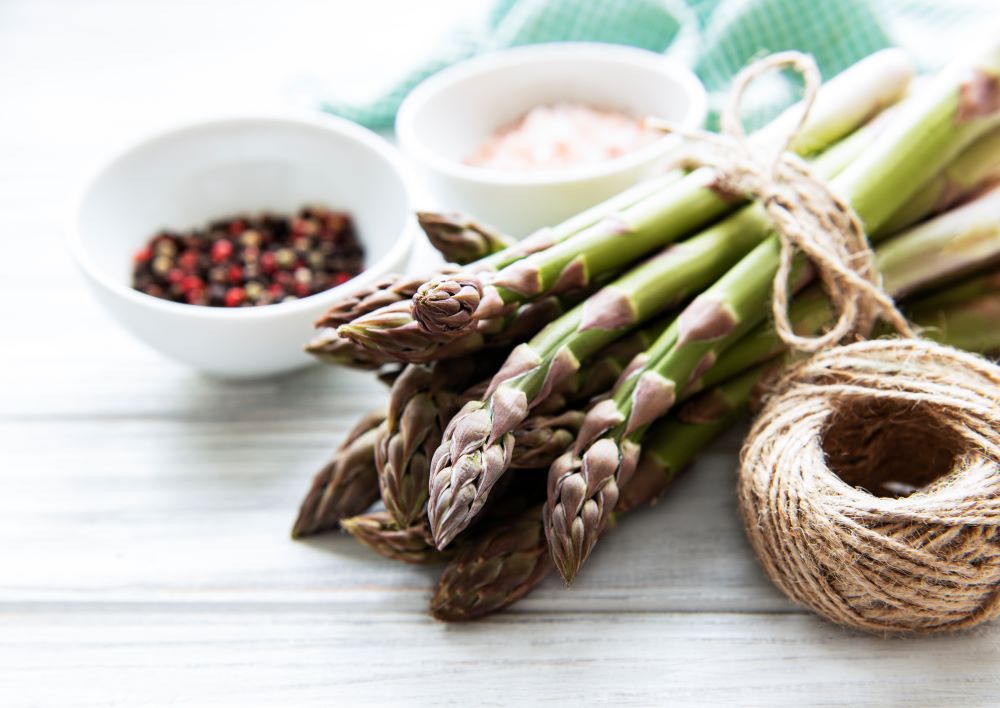
Shatavari, a traditional Ayurvedic herb, is known for its adaptogenic and rejuvenating properties. It is rich in various nutrients, offering antioxidant and anti-inflammatory benefits. Here’s a breakdown of the nutritional value of Shatavari:
Useful Tools to Track Your Health
Shatavari, a traditional Ayurvedic herb, is commonly used for its potential benefits in supporting reproductive health and boosting immunity. Though Shatavari offers several health benefits, it may cause the following allergic reactions:
Some individuals may experience shortness of breath. This can occur due to an allergic reaction. Immediate medical attention is advised. Discontinue use if symptoms persist. Immediate medical attention may be necessary.
It may lead to a faster heartbeat. You may feel palpitations or a racing pulse. Monitor your heart rate regularly. If it is severe, seek medical advice. This may signal an adverse reaction. Adjust dosage or discontinue use.
May experience itching or irritation on the skin or eyes. It can be a sign of an allergic reaction. Apply soothing creams if skin irritation occurs. If itching persists, consult a healthcare provider. Avoid scratching to prevent worsening. Consider discontinuing use if severe.
The skin may develop red, raised welts or rashes. This could be due to an allergic response. Monitor for the spread or worsening of rashes. Use antihistamines as advised by a doctor. Discontinue use if hives are persistent. Seek medical help if severe.
It can affect balance and coordination. Sit or lie down if feeling dizzy. Avoid operating machinery or driving. Consult a healthcare professional if the dizziness continues. Adjust dosage as recommended.
It may cause nasal congestion or a runny nose, which can be bothersome and affect comfort. Use decongestants or nasal sprays as needed. Consult a doctor if symptoms persist. Consider reducing dosage or stopping use. Monitor for other symptoms.
You may experience throat irritation or soreness, which can cause discomfort while swallowing. Gargle with salt water or use soothing lozenges. If a sore throat persists, seek medical advice. Discontinue use if symptoms are severe. Monitor for additional symptoms.
Shatavari is known for its health benefits; however, taking several precautions is necessary. Here are the following precautions you must take while using Shatavari:
You should avoid taking Shatavari if you have the following conditions or are taking certain medicines:
If you are breastfeeding your child or pregnant then limited research exists on the safety of Shatavari during pregnancy and breastfeeding. Consult your healthcare provider before use to ensure it does not affect you or your baby.
If you have an allergy to Shatavari, avoid using it. Allergic reactions can manifest as hives, itching, or difficulty breathing, which require immediate medical attention.Individuals with known allergies to Shatavari should avoid its use.
If you are taking herbs or drugs that lower blood sugar, regularly monitor your blood glucose levels because shatavari may lower blood sugar levels, especially if you are on medications or herbs that also affect blood sugar.
Shatavari can affect hormonal levels and may interact with hormone-sensitive conditions. Those with hormonal disorders should consult their doctor before use to avoid potential complications. Proper medical guidance is essential in these cases.
Shatavari might impact blood sugar levels in diabetic patients. Close monitoring of blood glucose levels is necessary when using Shatavari. Consult with a healthcare provider to adjust diabetes medications as needed.
Shatavari can influence heart rate and blood pressure, potentially affecting cardiovascular health. Individuals with heart conditions should monitor their heart health closely and seek medical advice if experiencing any issues. Consult a doctor for personalized recommendations.
Shatavari may cause digestive disturbances or discomfort in some individuals. Those with gastrointestinal problems should avoid using Shatavari or consult a healthcare provider for tailored advice. Monitoring for adverse effects is important in these cases.
People have used Shatavari in Ayurvedic medicines for several years. However, since there is a lack of sufficient evidence to support the health benefits of Shatavari, it is always crucial to consult a doctor before you consume it in any form. This will help you know correctly about the required dose, benefits, and associated risks.
Protect What Matters - Explore Other Insurance Options