General
Life
Accessibility Options


General

General Products
Simple & Transparent! Policies that match all your insurance needs.
 Car Insurance
 Two Wheeler Insurance
 Commercial Vehicle Insurance
 Health Insurance
 Home Insurance
 Travel Insurance
 Business Insurance
Car Insurance
Two Wheeler Insurance
Commercial Vehicle Insurance
Health Insurance
Travel Insurance
Business Insurance
Car Insurance
Two Wheeler Insurance
Commercial Vehicle Insurance
Health Insurance
Travel Insurance



Scan to download

Life

Life Products
Digit Life is here! To help you save & secure your loved ones' future in the most simplified way.
 Term Life
 Savings Plan
 Retirement and Pension Plans
 Group Life Products
 Product Documents
Term Life
Savings Plan
Retirement and Pension Plans
Group Life Products
Product Documents
Term Life
Savings Plan
Retirement and Pension Plans
Group Life Products
Scan to download

Claims

Claims
We'll be there! Whenever and however you'll need us.
 Customer Support
 Motor Claims
Health Claims
Motor Claims
Health Claims
 Marine Insurance
 Grievance Redressal
Customer Support
Motor Claims
Health Claims
Marine Insurance
Grievance Redressal
Grievance Redressal
Customer Support
Motor Claims
Health Claims
Marine Insurance
Grievance Redressal
Scan to download
 General
 Life
General
Life
Life
General
Life
Renewals
Resources

Resources
All the more reasons to feel the Digit simplicity in your life!
Exclusive Features
 Transparency Report
Others
Exclusive Features
Transparency Report
Transparency Report
Others
Exclusive Features
Transparency Report
Scan to download


Our WhatsApp number cannot be used for calls. This is a chat only number.

 Grey Scale
 Readable Text
 Reset
Reset



Dengue fever is a viral infection that mosquitoes can transmit and result in low platelet counts, thereby increasing the likelihood of bleeding. Although it is important to receive medical treatment, diet also plays a major role in recovery support.
This blog will discuss what are the best foods for dengue recovery that can naturally boost the platelet count. Nutrient-dense meals like these should be incorporated into one’s daily intake to accelerate healing from dengue fever by promoting immunity as well as the production of platelets.

Table of Contents

Dengue refers to any of four closely related viruses (OMS) primarily transmitted by Aedes mosquitoes, particularly Aedes Aegypti and Aedes Albopictus. The disease is common in tropical and subtropical areas such as Southeast Asia, the Pacific Islands, and the Caribbean region, including Central America.
Typical symptoms include high fevers accompanied by severe headaches, joint pain, muscle pains, skin rashes or mild bleeding. Sometimes, it leads to more serious illnesses characterised by massive internal bleeding called dengue hemorrhagic fever or causing failure of several organs known as syndrome shock dengue.
Individuals need to maintain an optimal number of platelets in their bodies as they enable the clotting of blood as well as generally keep healthy lives. Illnesses, medication or other medical conditions may bring about low platelet counts, commonly known as thrombocytopenia.
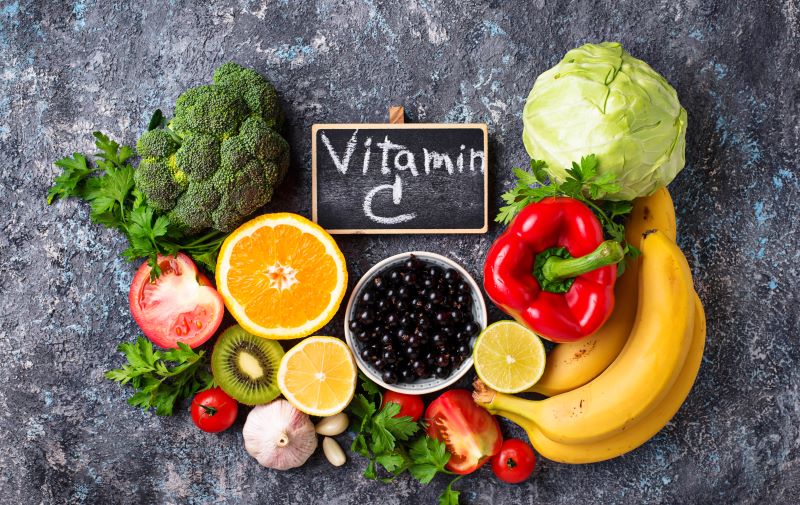
In such situations, we should eat foods with a lot of important nutrients because this will help us produce more platelets and speed up our recovery process. This article presents some of the best natural food sources that can increase platelet count in the body naturally, with a special focus on vitamin C, vitamin K, fibre, folates, iron and omega-3 fatty acids, among others.
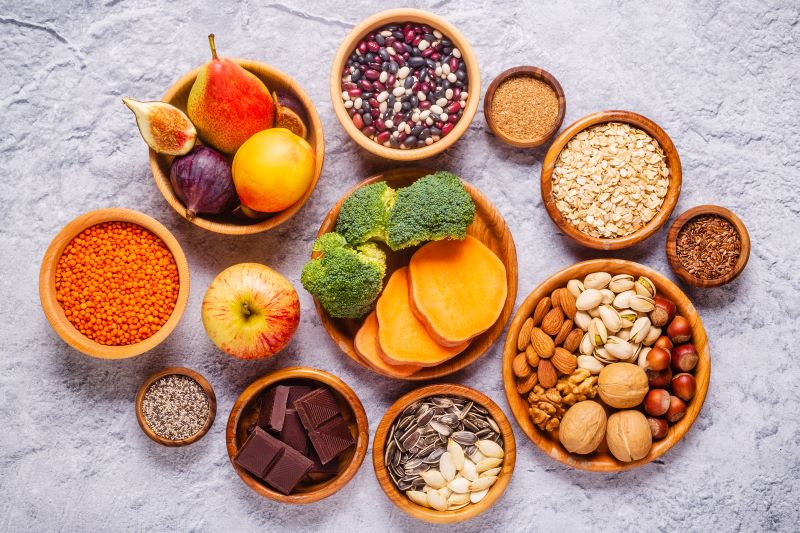
A balanced diet should always include foods as they are important for health. They provide the necessary nutrients that help in raising platelet counts. Below is a list of foods full of nutrients which can be taken to increase platelets.
| SNo. | Food | Description | Nutrient Content per 100g |
| 1 | Oats Porridge | The porridge made from oats is simple to digest and acts as a great source of energy as well as fibre which helps with digestion while also promoting overall health. | Vit C: 0.0 mg Vit K: 0.1 µg Omega 3: 0.2 g Fibre: 10.6 g |
| 2 | Khichdi | Khichdi is a nutritious dish composed entirely of rice, lentils and vegetables. It provides our bodies with all the necessary nutrients and ensures quick recovery after illness or surgery. | Vit C: 3.5 mg Vit K: 0.6 µg Omega 3: 0.3 g Fibre: 1.8 g |
| 3 | Spinach Soup | Vitamins and minerals are abundant in spinach soup, particularly vitamin K. It supports blood clotting besides increasing platelet counts if any potentiality exists. | Vit C: 28.1 mg Vit K: 482.9 µg Omega 3: 0.1 g Fibre: 0.8 g |
| 4 | Salmon | Salmon fish contains a lot of healthy fats like omega-3 fatty acids, which are essential for heart health. They have been found to promote good cholesterol levels within our bodies. | Vit C: 0.0 mg Vit K: 0.5 µg Omega 3: 2.2 g Fibre: 0.0 g |
| 5 | Pumpkin Seeds | These seeds provide our body with zinc, iron and omega-3 fatty acids, among other nutrients. All these components are responsible for boosting the immune system; hence, if need be, they can help raise platelet count. | Vit C: 1.9 mg Vit K: 0.6 µg Omega 3: 0.5 g Fibre: 5.0 g |
| 6 | Coconut Water | Coconut water is a refreshing beverage choice for hydration. It’s low in calories and free from cholesterol and fats. | Vit C: 1.24 mg (per cup- 240 ml) Vit K: 0.1 µg per cup Omega 3: 0.1 g per cup Fibre: 1 g per cup |
| 7 | Kale | Kale is a green leafy vegetable with high concentration levels of vitamin K known for its role in blood coagulation thus increasing platelets. | Vit C: 93.4 mg Vit K: 389.6 µg Omega 3: 0.2 g Fibre: 2.0 g |
| 8 | Papaya Leaves Juice | Papaya leaf juice is thought to help increase platelet count due to its high papain content, which is a digestive enzyme and other nutrients. It’s commonly used as a traditional cure for dengue fever. | Vitamin C: 144 mg Vitamin K: 0.6 µg Fibre: 0.5 g Omega-3: 0.1 g |
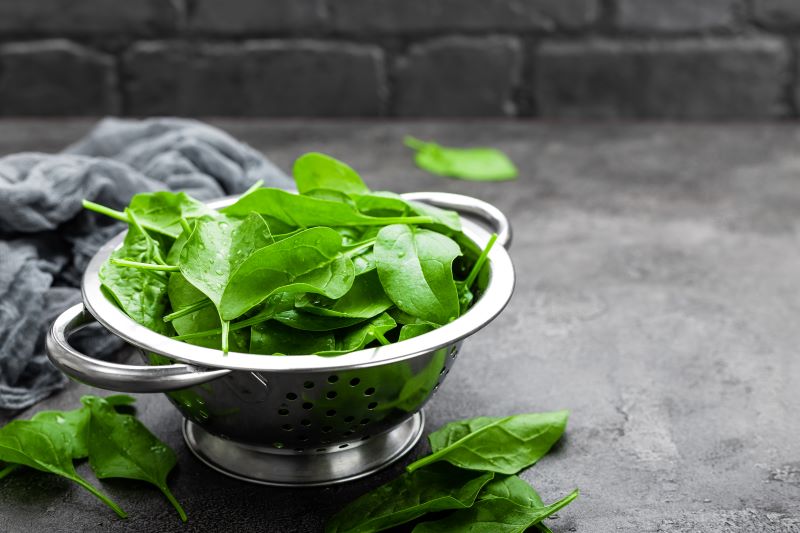
Dengue fever is one example where maintaining enough platelets becomes very important for overall health. Thus, various types of vegetables that contain high levels of nutrients should be included in our diet. Some examples include:
| SNo. | Vegetables | Description | Nutritional Content (per 100g) |
| 9 | Spinach | Spinach is rich in vitamin K, which is essential for blood clotting and may help increase platelet count. It also contains vitamin C, which supports immune function. Additionally, spinach is high in fibre, aiding digestion and overall health. | Vitamin C: 28.1 mg Vitamin K: 483 µg Fibre: 2.2 g Omega-3: 0.13 g |
| 10 | Broccoli | Broccoli is packed with vitamin C, which is beneficial for immune function. It contains vitamin K, which is important for blood clotting, and fibre for digestive health. Additionally, broccoli provides a small amount of omega-3 fatty acids. | Vitamin C: 89.2 mg Vitamin K: 101.6 µg Fibre: 2.6 g Omega-3: 0.1 g |
| 11 | Brussels Sprouts | Brussels sprouts are rich in vitamin K, which plays a role in blood clotting. They also provide vitamin C for immune support and fibre for digestive health. Brussels sprouts contain a modest amount of omega-3 fatty acids. | Vitamin C: 85 mg Vitamin K: 177 µg Fibre: 3.8 g Omega-3: 0.1 g |
| 12 | Bell Peppers (Red) | Red bell peppers are high in vitamin C, which aids in immune function and may help increase platelet count. They also contain fibre for digestive health. While not as high in vitamin K as leafy greens, they still provide a small amount. | Vitamin C: 127.7 mg Vitamin K: 7.4 µg Fibre: 1.7 g Omega-3: 0.09 g |
| 13 | Pumpkin | Pumpkin is a good source of vitamin C, supporting immune function. It contains some vitamin K, which is beneficial for blood clotting, and is high in fibre, aiding digestion. Pumpkin also provides a small amount of omega-3 fatty acids. | Vitamin C: 9 mg Vitamin K: 1.1 µg Fibre: 0.5 g Omega-3: 0.1 g |
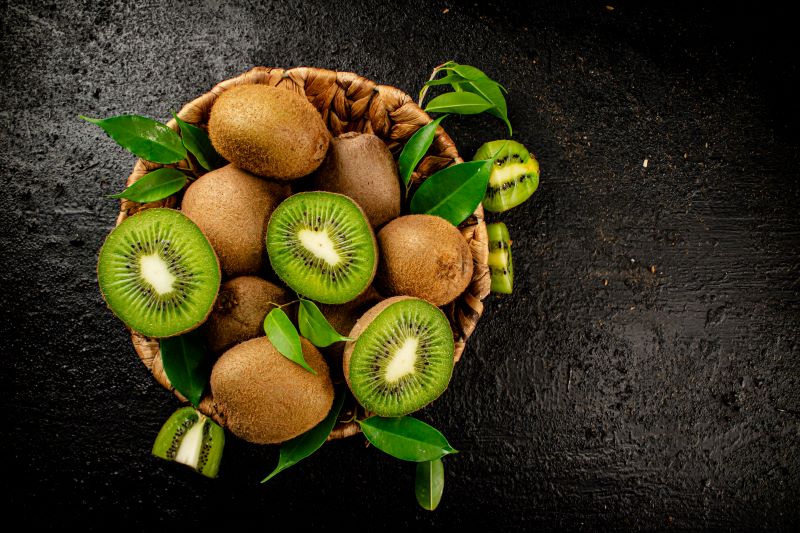
Fruits and fruit juices have vitamins and antioxidants. These components support healthy blood cell production, including thrombocytes or platelets. Here is what you need to know about such nutritional-rich food items:
| SNo. | Fruits | Description | Nutritional Content (Per 100 grams) |
| 14 | Papaya | Rich in vitamin C, which helps with iron absorption, vital for platelet production. | Vitamin C: 62.4 mg Folate: 39 mcg Fibre: 2.7 g |
| 15 | Guava | Excellent source of vitamin C and folate, both important for healthy blood cell function. | Vitamin C: 126 mg Folate: 39 mcg Fibre: 8.8 g |
| 16 | Kiwi | High in vitamin C, vitamin K, and folate, all beneficial for blood health. | Vitamin C: 64 mg Vitamin K: 28 mcg Folate: 34 mcg Fibre: 3.1 g |
| 17 | Grapefruit | Packed with vitamin C and antioxidants that may support overall well-being. | Vitamin C:53.2 mg Fibre: 2.4 g |
| 18 | Beetroot Juice | Contains nitrates, which the body converts into nitric oxide, potentially promoting platelet production | Vitamin C: 4.2 mg Fibre: 2.8 g |
| 19 | Pomegranate Juice | Rich in antioxidants with anti-inflammatory properties, which may indirectly benefit platelet health | Vitamin C: 12 mg Fibre: 4.4 g |
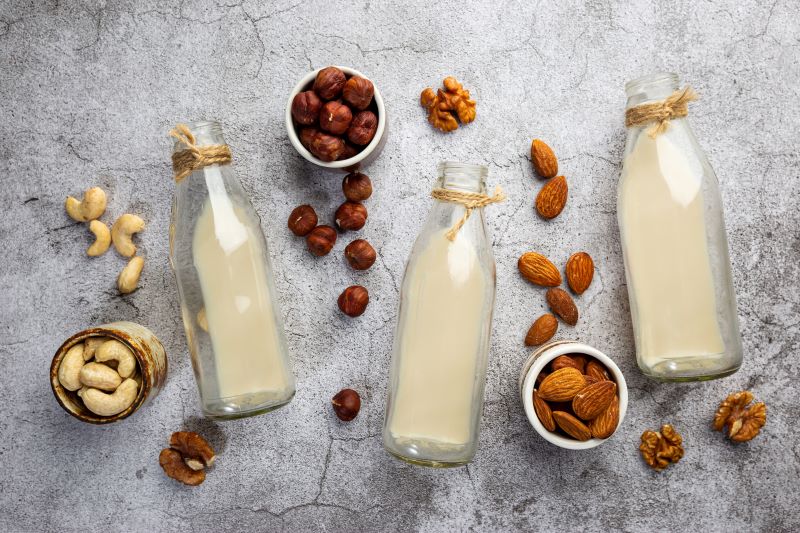
Vitamins, fibres and calcium contained in dairy products like milk and nuts such as almonds contribute towards maintaining adequate levels of platelets. Considerations can include:
| SNo. | Dairy Products and Nuts | Description | Nutritional Content (Per 100 grams) |
| 20 | Milk (cow, goat) | Provides vitamin B12 and riboflavin, which are important for red blood cell production and can indirectly support platelet health. | Vit. B12: 0.4mcg Calcium: 113mg Fibre: 1g |
| 21 | Greek Yoghurt | A good source of vitamin B12 and protein, which can support overall well-being and indirectly benefit platelet health. | Vit. B12: 1.2 mcg Calcium: 120 mg |
| 22 | Cheese | Certain cheeses offer vitamin K2, which may play a role in blood clotting. | Vitamin K2: 80 mcg |
| 23 | Almonds | Packed with vitamin E, protein, and healthy fats which can contribute to overall health and potentially support platelet function indirectly. | Fibre: 9.4 g Omega-3: 0.5 g |
| 24 | Walnuts | A good source of plant-based omega-3 fatty acids, which may have anti-inflammatory properties and indirectly benefit platelet health | Fibre: 6.7 g Omega-3: 2.5 g |
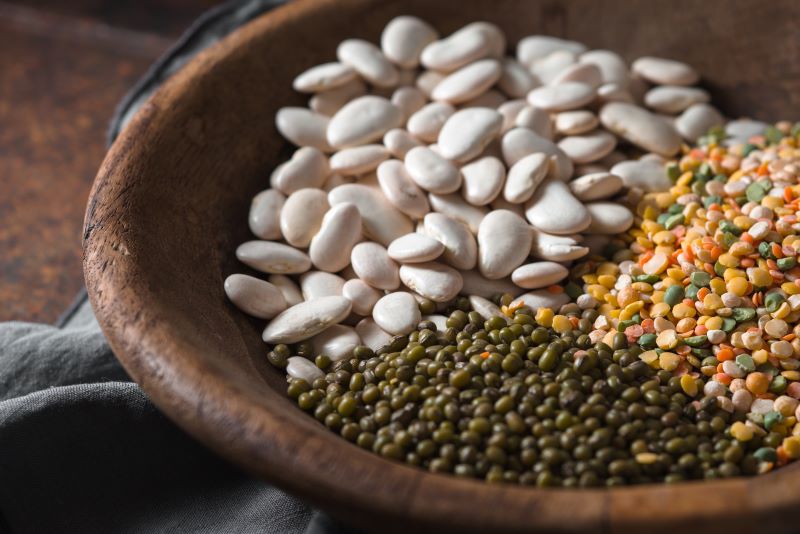
Vegetarian diets offer all the necessary nutrition required by our bodies to produce enough amounts of blood-forming cells called platelets, among other functions. Some examples are as follows:
| SNo. | Foods | Description | Nutritional Content (Per 100 grams) |
| 25 | Lentils | Lentils are rich in iron and folate, essential for producing healthy blood cells, including platelets. They also provide a good amount of fibre, supporting digestive health. | Vitamin C: 4.5 mg Vitamin K: 2.5 µg Fibre: 7.9 g Omega-3: 0.5 g |
| 26 | Chickpeas (Garbanzo Beans) | Chickpeas are a good source of iron and folate, which are important for healthy blood cell production. They also provide fibre, aiding digestion and supporting overall health. | Vitamin C: 2.9 mg Vitamin K: 4.8 µg Fibre: 7.6 g Omega-3: 0.3 g |
| 27 | Quinoa | Quinoa is a complete protein containing all nine essential amino acids, including lysine, which supports the production of antibodies, enzymes, and hormones. | Vitamin C: 0 mg Vitamin K: 0.6 µg Fibre: 2.8 g Omega-3: 0.6 g |
| 28 | Tofu | Tofu is a good source of iron and calcium, which are important for blood health. It is also rich in protein and provides small omega-3 fatty acids. While not high in vitamin C or K, tofu can contribute to nutritional intake. | Vitamin C: 0.1 mg Vitamin K: 0.1 µg Fibre: 0.6 g Omega-3: 0.1 g |
| 29 | Sunflower Seeds | Sunflower seeds are rich in vitamin E, supporting immune function as an antioxidant. They also provide iron and folate for blood health. Sunflower seeds contain healthy fats, including omega-3 fatty acids and fibre, for heart and digestive health. | Vitamin C: 1.4 mg Vitamin K: 1.9 µg Fibre: 8.6 g Omega-3: 0.06 g |
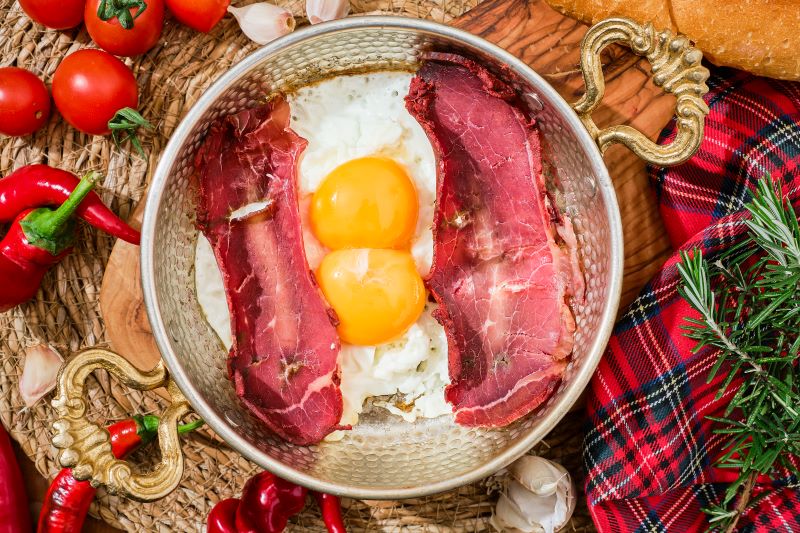
Non-vegetarian dishes also have high nutritional values of vitamins, iron and folates that help improve low counts of thrombocytes or other types of blood cells. Some options include:
| SNo. | Foods | Description | Nutritional Content (Per 100 grams) |
| 30 | Beef Liver | Exceptionally rich in vitamin B12, folate, and iron. Vitamin B12 is crucial for red blood cell production (which indirectly supports platelets), folate aids in cell division, and iron is a key component of red blood cells. | Vit. B12: 63.8 mcg, Folate: 910 mcg, Iron: 6.7 mg |
| 31 | Eggs | A good source of vitamin B12, iron, and vitamin D. Vitamin D may regulate the immune system (which can impact platelet production). | Vit. B12: 2.4 mcg, Iron: 2.1mg, Vit. D: 57 mg |
| 32 | Chicken | Lean protein sources that provide vitamin B12 and iron, both important for healthy blood cell function. | Vit. B12: 0.5 mcg Iron: 2.1 mg |
| 33 | Oysters | Packed with zinc, which plays a role in immune function and may indirectly support healthy platelet production. | Zinc: 16.5 mg, Iron: 10.3 mg |
Stay on Track with These Health Tools
Dengue fever is a viral infection spread mainly by Aedes mosquitoes and poses a global threat to human health. Knowledge of its origins is essential in preventing and controlling the disease.
This mosquito-borne viral infection causes various symptoms ranging from mild to severe. Early detection and treatment are vital to prevent further complications. Some common signs include:
Eating properly is imperative for recovering fast from dengue fever. Below are some tips to follow:
It’s important during the dengue recovery phase when one needs good nutrition to recover quickly and relieve symptoms simultaneously. Certain kinds of food can disrupt natural defence mechanisms against viruses within our bodies, so here are seven foods to avoid:
SNo. |
Food Items to Avoid | Reason to Avoid |
| 1 | Caffeinated Drinks (Coffee, Tea, Soda) | Dehydrating can worsen fluid loss. |
| 2 | Alcohol | Dehydration can interfere with recovery. |
| 3 | Sugary Drinks | It can worsen dehydration and offer minimal nutrients. |
| 4 | Spicy Foods | It can irritate the stomach, causing discomfort. |
| 5 | Greasy/Fried Foods | Difficult to digest and can strain the already stressed digestive system. |
| 6 | Dark-Colored Fruits & Vegetables (berries, some leafy greens) | It may contain blood-thinning compounds that could worsen the bleeding risk associated with dengue. |
| 7 | Salty Foods | It can worsen dehydration and increase blood pressure. |
Dengue fever can cause you to feel feeble and drained. An improper diet for dengue can aggravate symptoms and prolong recuperation time. Here’s how:
When dealing with dengue fever, we must consume nutrient-dense foods such as spinach, oranges, and papaya leaf juice since they boost immunity and improve platelet count. Besides these, people should eat well-balanced diets that don’t worsen the condition but promote their recovery after getting sick.
However, medical intervention becomes mandatory so it’s important to change what we eat and consult professionals on how best to manage this disease.
Protect What Matters - Explore Other Insurance Options