General
Life
Accessibility Options


General

General Products
Simple & Transparent! Policies that match all your insurance needs.
 Car Insurance
 Two Wheeler Insurance
 Commercial Vehicle Insurance
 Health Insurance
 Home Insurance
 Travel Insurance
 Business Insurance
Car Insurance
Two Wheeler Insurance
Commercial Vehicle Insurance
Health Insurance
Travel Insurance
Business Insurance
Car Insurance
Two Wheeler Insurance
Commercial Vehicle Insurance
Health Insurance
Travel Insurance



Scan to download

Life

Life Products
Digit Life is here! To help you save & secure your loved ones' future in the most simplified way.
 Term Life
 Savings Plan
 Retirement and Pension Plans
 Group Life Products
 Product Documents
Term Life
Savings Plan
Retirement and Pension Plans
Group Life Products
Product Documents
Term Life
Savings Plan
Retirement and Pension Plans
Group Life Products

Scan to download

Claims

Claims
We'll be there! Whenever and however you'll need us.
 Customer Support
 Motor Claims
Health Claims
Motor Claims
Health Claims
 Marine Insurance
 Grievance Redressal
Customer Support
Motor Claims
Health Claims
Marine Insurance
Grievance Redressal
Grievance Redressal
Customer Support
Motor Claims
Health Claims
Marine Insurance
Grievance Redressal

Scan to download
 General
 Life
General
Life
Life
General
Life
Renewals
Resources

Resources
All the more reasons to feel the Digit simplicity in your life!
Exclusive Features
 Transparency Report
Others
Exclusive Features
Transparency Report
Transparency Report
Others
Exclusive Features
Transparency Report

Scan to download


Our WhatsApp number cannot be used for calls. This is a chat only number.

 Grey Scale
 Readable Text
 Reset
Reset



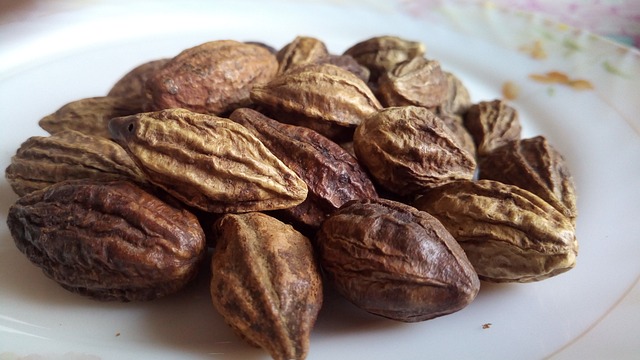
One of the essential ayurvedic herbs, haritaki, is derived from the seeds of the Terminalia chiluba tree. Although it is widely known as chebulic myrobalan, this is locally called Harad.
Additionally, Harad is one of the essential components of "Triphala," it is used in various treatment methods in Ayurveda.
Harad is well-known for its therapeutic qualities, which support stronger immunity overall. Regularly eating Harad implies that it will guard against illness or disease. Many of its health benefits are particularly pronounced for the digestive system. Read on to learn about the benefits of Harad!

Table of Contents

Harad has multiple health benefits, and it also plays an essential role in traditional medicines. Nevertheless, a few of the most prominent benefits include:
Harad's exceptional hypoglycaemic ability plays an essential role in lowering the body's blood sugar levels.
Also, this fruit activates the pancreas cells' ability to produce insulin within the body and aids in slowing down the conversion of starch to glucose. As a result, daily consumption of Harad powder can significantly lower blood glucose levels and decrease different diabetic symptoms like frequent urination, excessive thirst, weight loss, etc.
Harad is a traditional treatment for many gastrointestinal illnesses. This includes constipation, esophagitis, gastroesophageal reflux disease, diarrhoea, indigestion, heartburn, flatulence, peptic ulcer, and stomach pain.
Additionally, its carminative properties aid in the digestion of food particles in the stomach and intestine. This promotes the release of digestive juices and improves nutritional absorption in the intestines. Furthermore, it also aids in removing intestinal gas, which in turn lessens bloating, gaseous pains, and abdominal distension.
Harad has many health advantages, but one of particular importance is that it dramatically enhances both male and female sexual health. This primarily results from the powerful effect of its “Rasayana” properties, which is the Sanskrit word for "alchemy".
Also, being a natural aphrodisiac, it aids in lowering anxiety and mental stress while igniting the hormones that boost libido. Furthermore, it enhances both male and female fertility, addresses several problems with reproduction, and gives males more virility and endurance.
One of the primary herbal properties of Harad is it helps in building strong cognitive properties. The potent antioxidants and flavonoids in this myrobalan enhance memory function, attention, concentration, tranquillity, and alertness.
So, individuals who take Harad in various forms notice a delay in the onset of neurodegenerative diseases like Parkinson's and dementia. Also, it enhances memory and helps with reasoning, problem-solving, and other cognitive functions. Additionally, the plant's neuroprotective components reduce mental stress and guard against memory loss.
Harad has potent antibacterial, antiviral, and antifungal qualities that are used to treat wounds and speed up healing. Since ancient times, the bioactive chemicals in this fruit have been utilised to cure various skin conditions, including ulcers, sores, skin fungus, and much more.
Harad is an effective fruit for burning extra fat. It abates unexpected hunger sensations and yearning for unhealthy foods. Besides those, it also detoxifies the body by eliminating AMA pollutants. But, most importantly, it improves metabolism and aids in weight loss by reducing the build-up of LDL cholesterol, also known as bad cholesterol or low-density lipoproteins, in the body.
Harad also aids in preventing hair loss when used as herbal oil. This oil shields against dandruff and lice infestations in the hair. Since Harad powder is an excellent source of antioxidants and may serve as a detoxifier, consistently consuming it should enhance your hair.
Additionally, it aids in preventing greying of the hair. However, to make Harad oil, warm a cup of coconut oil with three Harad pods in a jar until the mixture turns brownish. As it cools, softly massage your hair.
Regular consumption of Harad powder fried in clarified butter (ghee) helps boost immunity. It also aids in boosting immunity, protecting against illnesses like the common cold and cough.
It should be noted that individuals can also take Harad powder with honey to treat coughs. Additionally, it is found that Harad extract increases cell-mediated immune response, hence enhancing immunity.
Harad may also treat rheumatoid arthritis. This fruit's acetone extract can effectively control arthritis by lessening the inflammatory effect. Additionally, an aqueous extract from the dried fruit of Terminalia chebula has anti-inflammatory properties. Besides arthritis, people can significantly reduce disease-related joint swelling by using Harad.
Harad has exceptional antibacterial qualities that make it helpful in treating acne. It is effective for skin with acne and ulcerations and can be treated with a paste made from Harad powder and boiling water.
Additionally, Harad has also demonstrated efficacy in the treatment of skin allergies. Continuous cleaning of skin with Harad can help regenerate skin and treat eczema, sunburns, and rashes.
Harad aids in detoxifying the liver by stimulating bile production, which helps digestion and detoxification processes. It protects the liver cells from damage caused by toxins and oxidative stress, thereby promoting overall liver health.
The strong anti-inflammatory compounds in Harad inhibit the production of inflammatory substances in the body, making it effective in managing conditions like arthritis, joint pain, and swelling. Regular consumption can help alleviate chronic inflammatory symptoms.
By lowering cholesterol levels and preventing the oxidation of LDL cholesterol, Harad supports cardiovascular health. It also improves blood circulation and helps maintain optimal blood pressure levels, reducing the risk of heart disease.
Harad acts as an expectorant, facilitating the expulsion of mucus from the airways. This property benefits respiratory conditions like asthma and bronchitis, relieving congestion and promoting clearer breathing.
Harad contains essential minerals like calcium and phosphorus, which are vital for maintaining strong bones and preventing conditions like osteoporosis. It supports bone density and overall skeletal health.
Preliminary studies suggest that the bioactive compounds in Harad may have anti-cancer properties by inhibiting the growth of cancer cells and promoting apoptosis (cell death). However, more research is needed to understand its potential in cancer prevention and treatment fully.
Harad has calming properties that soothe the nervous system and promote relaxation. It can help reduce insomnia and improve overall sleep quality, contributing to better physical and mental health.
Harad has a wide range of properties, which can be used as follows:
Before intaking powder, tablets, capsules, etc., you must know the recommended dosage to avoid excess intake, which can cause a few side effects:
Harad Capsule
Have 1 to 2 capsules per day after lunch or dinner.
Harad Powder
Consume ½ to 1 teaspoon of the powder daily or as a professional recommends.
Harad Fruit Paste
You can mix Harad with coconut oil and apply it to bruises or wounds to heal faster.
Harad Tablets
Have 1 or 2 Harad tablets daily after having lunch or dinner.
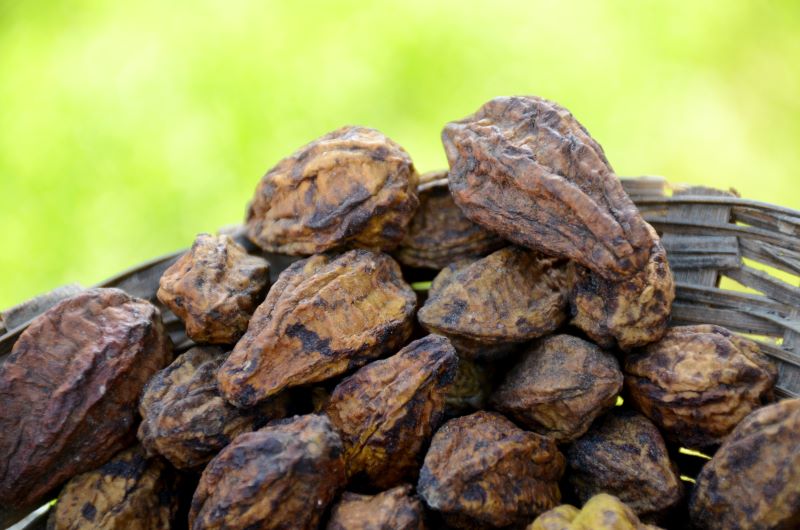
As with any herbal supplement, it's crucial to approach the use of Harad with caution and under the guidance of the following table. Go through the table below to check the nutrient content:
Calculate Your Health Metrics Instantly
Even though Harad can immensely help to enhance your health, you should avoid utilising the product or taking supplements without consulting an ayurvedic physician or a medical professional. Additionally, excess consumption of Harad can result in dehydration, diarrhoea, weariness, or a lingering bitter taste.
Also, patients who already take medications to regulate their blood sugar, pregnant women and lactating mothers should abstain from using any Harad formulation with prior medical consultation.
Although in most cases, uses of Harad are recognised as safe, you must take a few precautions while breastfeeding and during pregnancy. In this regard, you must consult your doctor or a medical expert to analyse your situation and take the necessary advice.
When using Harad, it's important to consider the following precautions
Although Harad provides a wide range of health advantages, without consulting an Ayurveda physician or excessive usage may result in stomatitis, malnutrition, dehydration, severe fever, tiredness, rigidity of the jaw, and other pitta issues.
Here are some groups of people who should avoid using Harad:
There is insufficient reliable information about the safety of Harad during pregnancy and breastfeeding. It's generally recommended to avoid its use during these periods unless prescribed by a healthcare provider.
The effects of Harad on liver and kidney function have not been well studied. People with liver or kidney disease should avoid using Harad unless directed otherwise by a healthcare provider, as it may impact negatively.
Some individuals may be allergic to Harad or its components. Individuals allergic to plants in the Combretaceae family (Harad belongs to) should avoid using Harad to prevent allergic reactions.
Suppose you have any chronic health conditions or are undergoing treatment for a medical condition. In that case, it's essential to consult with a healthcare provider before using Harad to ensure it is safe for you.
Additionally, patients who already take sugar-reducing medications must avoid consuming them or should speak with a doctor before taking Harad because it lowers blood sugar. Additionally, as mentioned earlier, it is also prohibited for pregnant women and nursing mothers to use any Harad formulation without first consulting a doctor.
Hence, it is evident that the benefits of Harad are widely recognised and are one of the primary components of traditional medicines. But, before consumption of it, you must understand that you should avoid its overconsumption, and if you have any health issues, you must consult a medical professional first.
Protect What Matters - Explore Other Insurance Options