General
Life
Accessibility Options


General

General Products
Simple & Transparent! Policies that match all your insurance needs.
 Car Insurance
 Two Wheeler Insurance
 Commercial Vehicle Insurance
 Health Insurance
 Home Insurance
 Travel Insurance
 Business Insurance
Car Insurance
Two Wheeler Insurance
Commercial Vehicle Insurance
Health Insurance
Travel Insurance
Business Insurance
Car Insurance
Two Wheeler Insurance
Commercial Vehicle Insurance
Health Insurance
Travel Insurance



Scan to download

Life

Life Products
Digit Life is here! To help you save & secure your loved ones' future in the most simplified way.
 Term Life
 Savings Plan
 Retirement and Pension Plans
 Group Life Products
 Product Documents
Term Life
Savings Plan
Group Life Products
Product Documents
Term Life
Savings Plan
Group Life Products

Scan to download

Claims

Claims
We'll be there! Whenever and however you'll need us.
 Customer Support
 Motor Claims
Health Claims
Motor Claims
Health Claims
 Marine Insurance
 Grievance Redressal
Customer Support
Motor Claims
Health Claims
Marine Insurance
Grievance Redressal
Grievance Redressal
Customer Support
Motor Claims
Health Claims
Marine Insurance
Grievance Redressal

Scan to download
 General
 Life
General
Life
Life
General
Life
Renewals
Resources

Resources
All the more reasons to feel the Digit simplicity in your life!
Exclusive Features
 Transparency Report
Others
Exclusive Features
Transparency Report
Transparency Report
Others
Exclusive Features
Transparency Report
Scan to download


Our WhatsApp number cannot be used for calls. This is a chat only number.

 Grey Scale
 Readable Text
 Reset
Reset



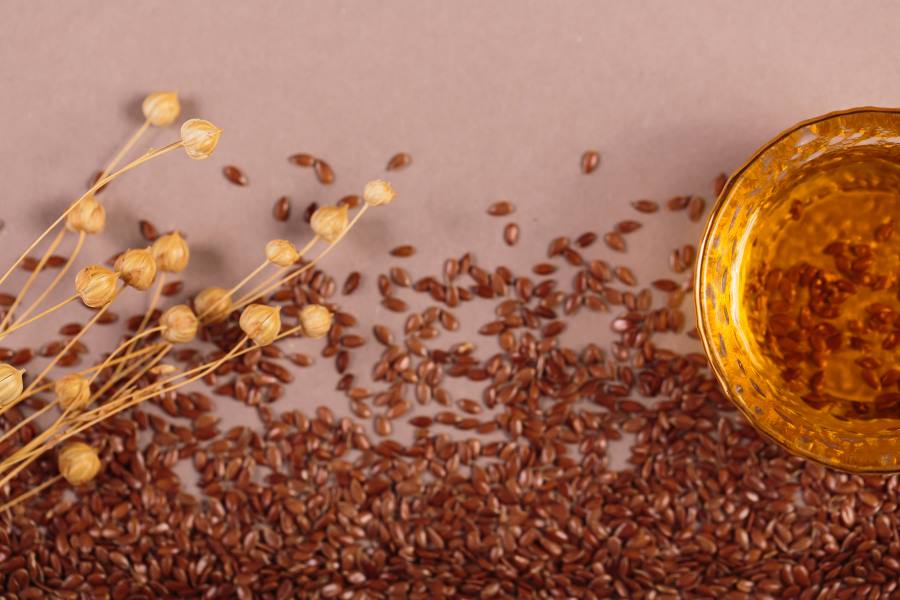
Flaxseed is a superfood that is known for its high nutritional value. Lately, it has gained popularity among health-conscious individuals for the extensive health benefits it offers. However, it's essential to understand its nutritional value, potential side effects, and recommended daily intake to maximise its advantages safely.
This blog highlights the health benefits of flaxseed, its nutritional value, ways to increase your daily intake, and other essential aspects. So, if you are keen to know about it, keep reading!

Table of Contents

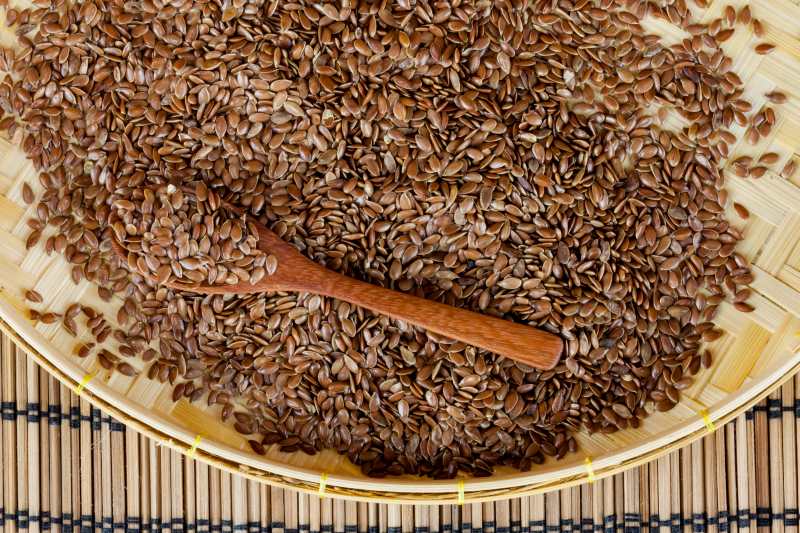
Take a look at the possible health benefits of flaxseed:
Consumption of flaxseeds may stop the growth of the multiple types of cancer cells in the body. Besides, they consist of lignans. These antioxidants reduce the tumour's growth and prevent them from making new blood vessels.
The American Heart Association suggests consuming more omega-3 and fibre to improve heart health. Besides, the consumption of lignans may also prove beneficial in preventing cardiovascular diseases. Thankfully, flaxseeds have all these nutrients. Moreover, these superfoods contain phytosterols. Phytosterols help in preventing cholesterol absorption in the intestine. Therefore, consuming flaxseeds may lower the LDL (low-density lipoprotein) levels or, as popularly termed, 'bad cholesterol' in the body.
According to the Arthritis Foundation, consuming flaxseeds may decrease joint stiffness and pain. Individuals with lupus, Raynaud's phenomenon and rheumatoid arthritis can consume these seeds to get some relief from pain. Although, according to the Foundation, there is no sufficient evidence to support this claim. However, the ALA content in the flaxseeds may lower the inflammation.
Flaxseeds may control blood sugar levels. This is because the seeds are rich sources of insoluble fibre. Fibre takes a long time to break down and digest. This, in turn, lowers the release of sugar in the blood. A majority part of their insoluble fibre constitutes lignans. These are a group of polyphenols and are extremely beneficial for maintaining blood sugar levels.
The insoluble fibre content in the flaxseeds does not allow them to dissolve in the water. Instead, they stay in the digestive tract after consumption. Over there, they absorb the water and create a bulk that promotes regularity in the bowel movement.
According to a study published in 'Healthline’, a drink containing flax fibre tablets with 2.5 grams of soluble fibre lowered feelings of hunger and reduced the overall appetite. This is due to the presence of soluble fibre in them that slows down digestion and boosts the feeling of fullness. This is very helpful in managing weight.
The presence of lignans and alpha-linolenic in flaxseeds prevents the increase of blood pressure levels. Besides, they are rich sources of fibre which protect the cells in blood vessels and control the blood pressure levels.
Flaxseed is an excellent source of alpha-linolenic acid (ALA), an omega-3 fatty acid crucial for heart health. Omega-3s help reduce inflammation, lower the risk of chronic diseases such as heart disease, and support brain function. Consuming flaxseed can help balance the ratio of omega-6 to omega-3 fatty acids in the diet.
Flaxseed is packed with soluble and insoluble fibre, making it an excellent choice for digestive health. The soluble fibre in flaxseed helps regulate blood sugar levels and lower cholesterol, while the insoluble fibre promotes regular bowel movements and prevents constipation. Additionally, fibre supports a healthy gut.
Flaxseed contains lignans, which have phytoestrogenic properties that can help balance hormone levels in the body. For women, flaxseed can alleviate symptoms of menopause, such as hot flashes and mood swings. For men, lignans can support prostate health and reduce the risk of hormone-related conditions.
The omega-3 fatty acids and antioxidants in flaxseed can contribute to healthier skin. Omega-3s help maintain the skin's lipid barrier, keeping it hydrated and reducing inflammation that can lead to conditions like acne and eczema. Antioxidants protect the skin from damage caused by free radicals and UV radiation.
Chronic inflammation is a root cause of many health conditions. The nutrients in flaxseed have anti-inflammatory properties that can help reduce inflammation in the body. By lowering the levels of pro-inflammatory markers, flaxseed can alleviate symptoms of inflammatory conditions and improve overall health.
Flaxseed contains several essential nutrients for maintaining strong and healthy bones, including calcium, magnesium, and phosphorus. These minerals work together to support bone density and prevent conditions like osteoporosis. Regular consumption of flaxseed can reduce the risk of fractures.
The nutrients in flaxseed, including omega-3 fatty acids, vitamin E, and protein, can support healthy hair growth and maintenance. Omega-3s nourish hair follicles, promoting stronger and shinier hair. Vitamin E acts as an antioxidant, protecting hair from damage caused by environmental factors and free radicals.
Flaxseed plays a crucial role in maintaining the structure and function of brain cells, improving cognitive function and reducing the risk of neurodegenerative diseases. They also help regulate mood and reduce symptoms of depression and anxiety. Regular consumption of flaxseed can enhance overall brain health.
Flaxseed can support the body's natural detoxification processes. Fibre helps bind and eliminate toxins from the digestive tract, promoting regular bowel movements and preventing the reabsorption of harmful substances. Including flaxseed in your diet can aid in maintaining a clean and healthy body.
Flaxseed's anti-inflammatory and antioxidant properties can benefit respiratory health by reducing inflammation in the airways and protecting lung tissue from oxidative damage. Omega-3 fatty acids help manage conditions like asthma and chronic obstructive pulmonary disease (COPD) by improving lung function and reducing the frequency of symptoms.
Here is the nutritional value that you can derive from consuming one tablespoon of grounded flaxseeds (7 grams).
Useful Tools to Track Your Health
To get advantages of flaxseeds through your daily diet, follow these five simple ways to add these highly nutrient seeds to the following foods:
Skip the store-bought smoothies as it contains additives and preservatives. Instead, blend one using some vegetables, fruits and yoghurt. While blending your smoothie, put one tablespoon of flaxseeds. This will provide a nutty flavour to it, alongside 2 grams of additional protein.
Replace your old salad dressing like olive oil with flaxseed oil and spread it to your salad. Alternatively, you can sprinkle flaxseeds on your salads to make them extra crunchy and flavourful. This addition can help you meet your daily fibre requirements and promote heart health.
Add one tablespoon of powdered flaxseeds or sprinkle whole flaxseeds to your breakfast cereal to get additional fibre. You can also make your oatmeal extra healthy by adding flaxseed. It’s a quick way to make your breakfast more filling and nutritious, providing essential nutrients to kickstart your day.
You can add flaxseeds while making muffins, bread or cookies. All you need to do is grind them into powder and mix them into the batter of bread, cookies or cake. Alternatively, add flaxseeds to the bread and bake it for 3 hours at 300F to get an additional crunch and nutrition.
You can garnish whole flaxseeds on your soup or can mix one tablespoon of powdered flaxseeds into it. This will make your soup healthier and more delicious with seeds’ nutty and crunchy taste. This method is particularly useful in enhancing the health benefits of comfort foods.
Incorporate flaxseeds into your baking recipes, such as muffins, bread, and cookies. Ground flaxseeds can be used as an egg substitute (one tablespoon of flaxseed meal mixed with three tablespoons of water equals one egg) for a vegan option. This adds nutritional value and enhances the texture and moisture of your baked goods.
Add ground flaxseeds to dips like hummus, guacamole, or yoghurt-based spreads. This subtle addition increases the nutritional value of your dips without compromising flavour. It’s a great way to boost the fibre and omega-3 content of your snacks and appetisers. This combination is perfect for a quick breakfast or a nutritious snack.
Flaxseeds are surely packed with nutrients. However, overconsumption can disturb your health. Here are some of the side effects you may experience from overconsumption of flaxseeds:
Flaxseeds may not be suitable for every individual. You should consult your doctor or avoid eating flaxseeds in case of the following circumstances:
Protect What Matters - Explore Other Insurance Options