General
Life
Accessibility Options


General

General Products
Simple & Transparent! Policies that match all your insurance needs.
 Car Insurance
 Two Wheeler Insurance
 Commercial Vehicle Insurance
 Health Insurance
 Home Insurance
 Travel Insurance
 Business Insurance
Car Insurance
Two Wheeler Insurance
Commercial Vehicle Insurance
Health Insurance
Travel Insurance
Business Insurance
Car Insurance
Two Wheeler Insurance
Commercial Vehicle Insurance
Health Insurance
Travel Insurance



Scan to download

Life

Life Products
Digit Life is here! To help you save & secure your loved ones' future in the most simplified way.
 Term Life
 Savings Plan
 Retirement and Pension Plans
 Group Life Products
 Product Documents
Term Life
Savings Plan
Group Life Products
Product Documents
Term Life
Savings Plan
Group Life Products
Scan to download

Claims

Claims
We'll be there! Whenever and however you'll need us.
 Customer Support
 Motor Claims
Health Claims
Motor Claims
Health Claims
 Marine Insurance
 Grievance Redressal
Customer Support
Motor Claims
Health Claims
Marine Insurance
Grievance Redressal
Grievance Redressal
Customer Support
Motor Claims
Health Claims
Marine Insurance
Grievance Redressal

Scan to download
 General
 Life
General
Life
Life
General
Life
Renewals
Resources

Resources
All the more reasons to feel the Digit simplicity in your life!
Exclusive Features
 Transparency Report
Others
Exclusive Features
Transparency Report
Transparency Report
Others
Exclusive Features
Transparency Report

Scan to download


Our WhatsApp number cannot be used for calls. This is a chat only number.

 Grey Scale
 Readable Text
 Reset
Reset



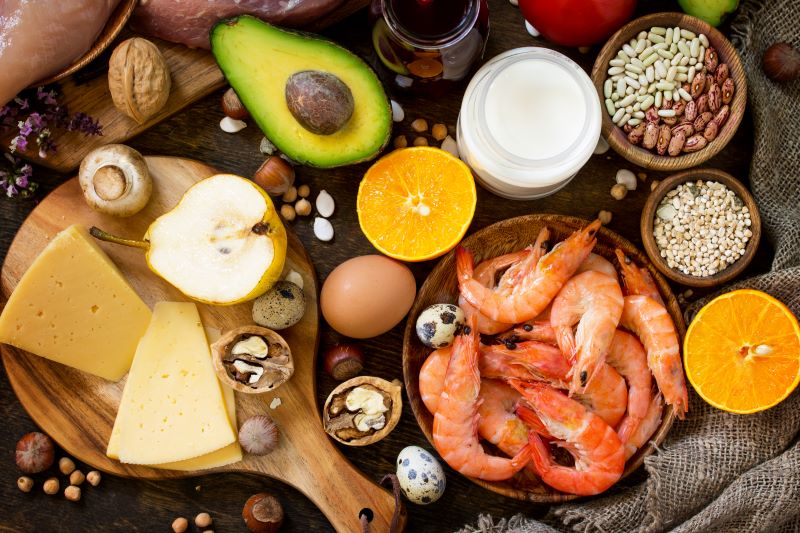
Proteins are called building blocks and are made up of tiny amino acids that help maintain the body's muscles and weight, enhancing immunity and bone health. Incorporating Protein Rich food, fruits and vegetables in your diet is essential for maintaining overall health.
The most common way to increase protein intake is to diversify the diet with a range of protein sources so that it is consumed in a balanced proportion.
Discover how to promote a sufficient protein intake. Whether you are a meat lover or follow a plant-based diet, there are various options to cater for your needs.

Table of Contents

Proteins are the important macronutrients necessary for our bodies to build and fix tissues. Our muscles develop, the immune system strengthens, and this element produces hormones. Obtaining adequate protein is crucial to maintain good health and well-being.
At its core, a protein molecule consists of amino acids, often termed the building blocks of life. Twenty amino acids are included; however, nine are essential since the body cannot synthesise them alone. Therefore, we need various types of protein in our menu so that our bodies get enough essential amino acids for proper functioning.
Protein comes from both animal and plant foods. Animal proteins include lean meats, poultry, fish, eggs, and dairy products. They fall within the category of complete proteins because all 10 essential amino acids must always be present in them.
On the other hand, vegetarians relying on plant-based diets have a wide range of plant-based protein sources including beans, lentils tofu tempeh quinoa nuts seeds etcetera While these sources may not provide all nutrients necessary for growth by themselves; you can combine different sources throughout your day to ensure that you receive enough proteins.
Find a wide range of food items with high proteins for your body’s requirements and satisfaction with the taste. From low-fat meats to vegetarian options, these are the top 50 products that will heighten your protein level and help you maintain good health and overall fitness.
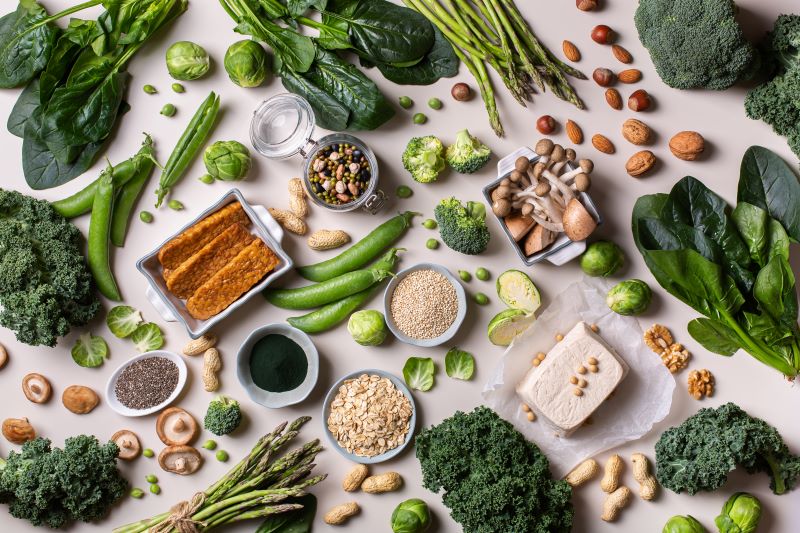
Consume vegetables that are rich in nutrients and proteins. From green leafy vegetables to cruciferous favourites, these include all such vegetables that contain high levels of proteins and can be consumed with meals or taken on their own for satiety and a boost in energy during workouts.
| SNo. | Vegetable | Description |
| 1 | Spinach | Highly rich in protein, containing 2.9 grams per 100 grams |
| 2 | Broccoli | Rich in protein, providing 2.8 grams per 100 grams. |
| 3 | Brussels sprouts | A protein powerhouse with 3.4 grams per 100 grams. |
| 4 | Green peas | Exceptionally rich in protein, boasting 5.4 grams per 100 grams. |
| 5 | Asparagus | Contains 2.2 grams of protein per 100 grams. |
| 6 | Mushrooms | A great source of protein with 3.1 grams per 100 grams. |
| 7 | Cauliflower | Provides 1.9 grams of protein per 100 grams. |
| 8 | Artichokes | Rich in protein, offering 3.3 grams per 100 grams. |
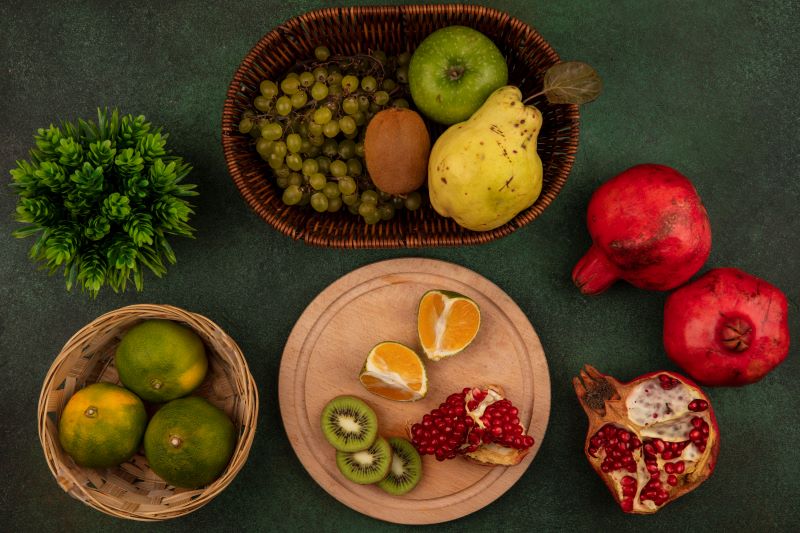
Explore this amazing selection of fruits to contribute to your protein. With options ranging from creamy avocados to juicy guavas, these Protein Rich fruits are a delicious addition to your diet.
| SNo. | Fruit | Description |
| 9 | Avocado | Contains 2.0 grams of protein per 100 grams. |
| 10 | Guava | Provides 2.6 grams of protein per 100 grams. |
| 11 | Kiwi | Contains 1.1 grams of protein per 100 grams. |
| 12 | Jackfruit | Offers 2.5 grams of protein per 100 grams. |
| 13 | Blackberries | Boast 2.0 grams of protein per 100 grams. |
| 14 | Apricots | Provide 1.4 grams of protein per 100 grams. |
| 15 | Raspberries | Contains 1.5 grams of protein per 100 grams. |
| 16 | Mulberries | Offer 2.1 grams of protein per 100 grams. |
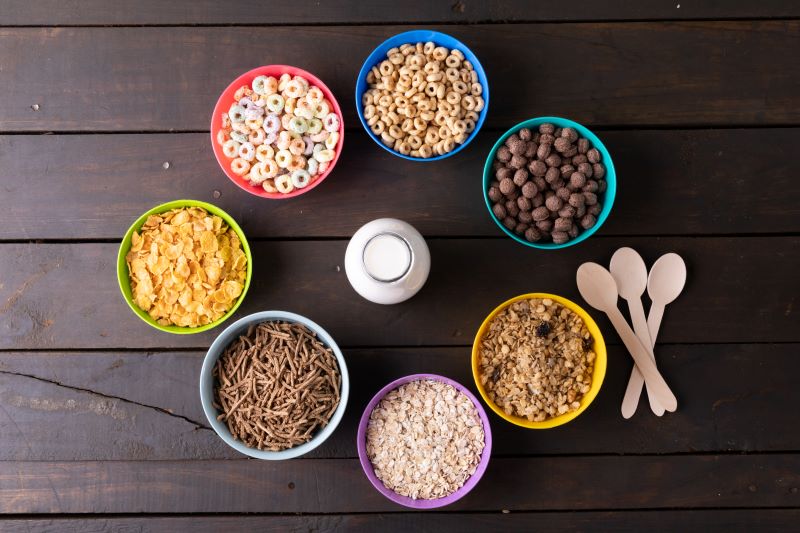
Explore a variety of protein-packed cereals and dairy products catering to your daily protein intake. From Greek yoghurt to quinoa, find nutritious options to contribute to your balanced diet.
| SNo. | Food | Description |
| 17 | Milk (whole) | 3.3 grams per 1 cup (240 ml); a staple dairy product highly rich in protein |
| 18 | Greek yoghurt | 10 grams per 1 cup (245 grams); a creamy delight known for its high protein content |
| 19 | Cottage cheese | 11 grams per 1/2 cup (113 grams); a versatile cheese, highly rich in protein |
| 20 | Cheddar cheese | 25 grams per 1 ounce (28 grams); a classic cheese with a high protein content |
| 21 | Mozzarella cheese | 22 grams per 1 ounce (28 grams); a favourite cheese choice, rich in protein |
| 22 | Swiss cheese | 27 grams per 1 slice (28 grams); a flavorful cheese renowned for its protein content |
| 23 | Parmesan cheese | 32 grams per 1 ounce (28 grams); a bold cheese option packed with protein |
| 24 | Plain yoghurt | 5 grams per 1 cup (245 grams); a versatile dairy option with a decent protein content |
| 25 | Oats (cooked) | 26 grams per 1 cup; a wholesome grain choice, offering protein |
| 26 | Quinoa (cooked) | 4.4 grams per 1 cup (185 grams); a complete protein source, perfect for a nutritious meal |
| 27 | Brown rice (cooked) | 2.6 grams per 1 cup (195 grams); a nutritious whole grain with protein content |
| 28 | Barley (cooked) | 2.3 grams per 1 cup (157 grams); a hearty grain option, providing protein |
| 29 | Whole wheat pasta (cooked) | 5.8 grams per 1 cup (140 grams); a fibre-rich pasta choice with protein content |
| 30 | Skim milk | 3.4 grams per 1 cup (240 ml); a low-fat dairy option, rich in protein |
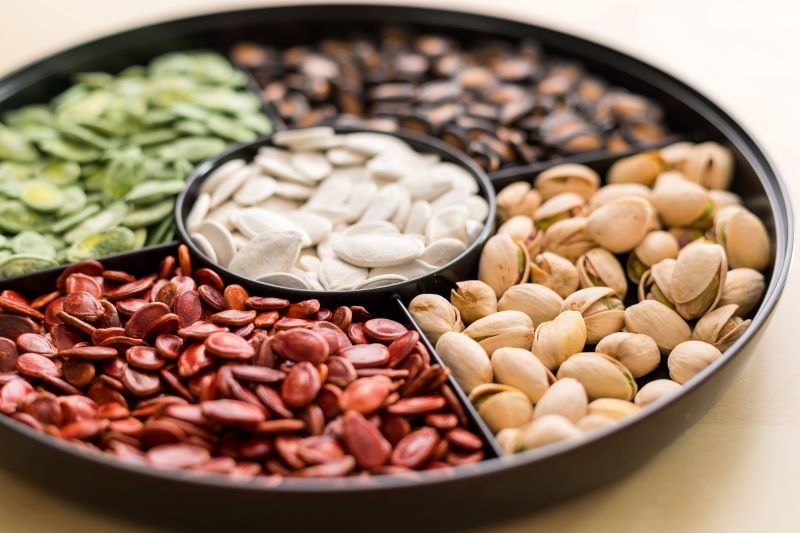
Explore an extensive range of seeds and nuts that are sources of high protein. From soothing almonds to enriching hemp seeds, these nutritious options are a great way to add some extra protein and boost your health goals.
| SNo. | Seed/Nut | Description |
| 31 | Almonds | 21 grams per 100 grams; highly rich in protein. |
| 32 | Peanuts | 25 grams per 100 grams; packed with protein and essential nutrients for energy |
| 33 | Walnuts | 15 grams per 100 grams; a nutritious nut choice, known for its protein and omega-3s |
| 34 | Cashews | 18 grams per 100 grams; a creamy nut option, rich in protein and healthy fats |
| 35 | Pistachios | 20 grams per 100 grams; highly rich in protein, fibre, and antioxidants |
| 36 | Sunflower seeds | 21 grams per 100 grams; a crunchy seed option loaded with protein and vitamins |
| 37 | Pumpkin seeds | 19 grams per 100 grams; a nutrient-packed seed choice, rich in protein and minerals |
| 38 | Chia seeds | 17 grams per 100 grams; tiny seeds with a high protein content. |
| 39 | Flaxseeds | 18 grams per 100 grams; a powerhouse of protein. |
| 40 | Hemp seeds | 31 grams per 100 grams; a superfood seed, rich in protein. |
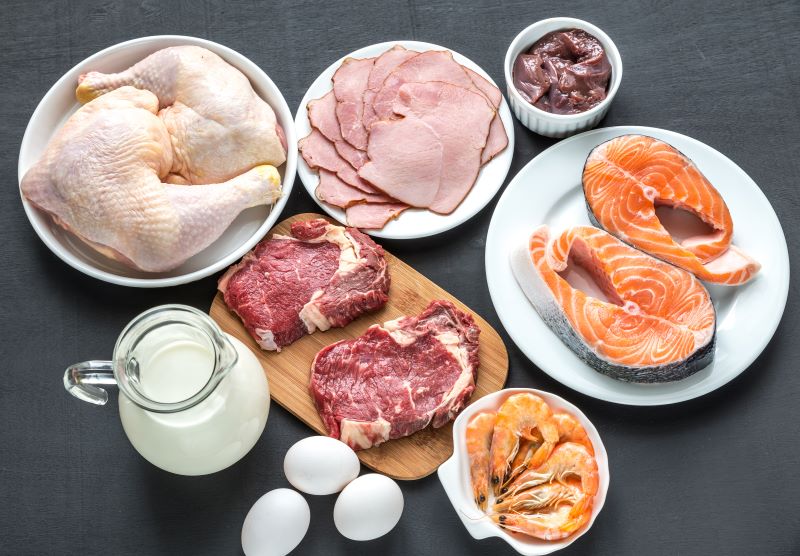
Discover a range of animal proteins and seafood renowned for their high protein content. From chicken breast to salmon, here is the list of delicious Protein Rich options for your body.
| SNo. | Food | Description |
| 41 | Chicken breast | A lean source of protein, with approximately 31 grams per 100 grams |
| 42 | Turkey | Low-fat protein option, providing around 29 grams of protein per 100 grams |
| 43 | Beef (lean cuts) | Rich in protein and essential nutrients, offering about 26 grams per 100 grams |
| 44 | Pork loin | Provides a significant amount of protein, with approximately 27 grams per 100 grams |
| 45 | Salmon | Heart-healthy seafood choice, packed with protein and omega-3 fatty acids |
| 46 | Tuna | Excellent source of protein, boasting around 30 grams per 100 grams |
| 47 | Shrimp | Low-calorie, high-protein option, with approximately 24 grams per 100 grams |
| 48 | Cod | Lean white fish packed with protein, containing about 18 grams per 100 grams |
| 49 | Lobster | Delicacy Rich in protein, offering around 25 grams per 100 grams |
| 50 | Crab | Nutrient-dense seafood option, providing about 19 grams of protein per 100 grams |
According to the National Institutes of Health, determining the appropriate daily intake of Protein is essential for maintaining optimal health. The recommended amount varies depending on factors such as age, sex, and life stage.
The table given below outlines the recommended daily intake of Protein for different demographics:
Age Group |
Recommended Protein Intake (grams per day) |
| Infants 0-6 months | 9.1 g |
| Infants 7-12 months | 11 g |
| Children 1-3 years | 13 g |
| Children 4-8 years | 19 g |
| Children 9-13 years | 34 g |
| Teens 14-18 years | 52 g |
| Male Adults 19+ years | 56 g |
| Female Adults 19+ years | 46 g |
| Pregnant Adults | 71 g |
| Lactating Adults | 71 g |
| Adults 25-51 years | 48 g |
| Adults 51-65 years | 47 grams |
| Adults 65 and older | 57 grams |
Calculate Your Health Metrics Instantly
According to the National Institute of Health, incorporating enough protein ensures the numerous health benefits that support overall health. Here are some of the noted benefits of including protein in your diet.
Ensuring an adequate intake of protein rich foods is essential for maintaining overall health and well-being. Here are some research-backed tips to help you incorporate more Protein into your diet:
It should be noted that protein deficiency is rare in developed countries, but one can develop several health problems when he or she does not consume enough protein or it’s poorly absorbed. Here are a few signs of low levels of proteins:
Inadequate protein intake leads to numerous health hazards due to its multiple roles in body functions. Here are some potential health risks of not getting enough protein:
Consuming too much protein can also lead to various side effects. Here are some noticed issues associated with higher intake of protein.
Your lifestyle, eating habits, and exercise goals determine Whether you should use a protein supplement. Whenever it becomes difficult to consume enough protein through usual foods such as fish, meat, eggs or plant-based sources, supplements can be very handy in meeting these needs.
Are you constantly finding yourself on the move? Or maybe you are into gym sessions and want your muscles to grow and recover faster. For such cases, protein supplements would come in handy.
But remember that these are just supplements. They do not replace real food. So if you don’t look at drinking shakes all the time without thinking about things that you may be missing or missing out on, feeling like having enough proteins from breakfasts and other meals then perhaps you don’t need a supplement.
Also important is quality assurance. Some brands of protein supplements are not as safe as others; hence, thorough cross-checking is necessary before deciding on any product that one might want to buy for themselves.
Diversifying your diet with various protein rich foods, including colourful vegetables, delicious meat, juicy fruits, and essential nutritious power-packed foods, ensures the amount of valuable nutrients in your body. To keep energy levels high and illness at bay, incorporate these protein rich foods into your lively living and enjoy a body full of vigour.
Protect What Matters - Explore Other Insurance Options