General
Life
Accessibility Options


General

General Products
Simple & Transparent! Policies that match all your insurance needs.
 Car Insurance
 Two Wheeler Insurance
 Commercial Vehicle Insurance
 Health Insurance
 Home Insurance
 Travel Insurance
 Business Insurance
Car Insurance
Two Wheeler Insurance
Commercial Vehicle Insurance
Health Insurance
Travel Insurance
Business Insurance
Car Insurance
Two Wheeler Insurance
Commercial Vehicle Insurance
Health Insurance
Travel Insurance



Scan to download

Life

Life Products
Digit Life is here! To help you save & secure your loved ones' future in the most simplified way.
 Term Life
 Savings Plan
 Retirement and Pension Plans
 Group Life Products
 Product Documents
Term Life
Savings Plan
Retirement and Pension Plans
Group Life Products
Product Documents
Term Life
Savings Plan
Retirement and Pension Plans
Group Life Products

Scan to download

Claims

Claims
We'll be there! Whenever and however you'll need us.
 Customer Support
 Motor Claims
Health Claims
Motor Claims
Health Claims
 Marine Insurance
 Grievance Redressal
Customer Support
Motor Claims
Health Claims
Marine Insurance
Grievance Redressal
Grievance Redressal
Customer Support
Motor Claims
Health Claims
Marine Insurance
Grievance Redressal

Scan to download
 General
 Life
General
Life
Life
General
Life
Renewals
Resources

Resources
All the more reasons to feel the Digit simplicity in your life!
Exclusive Features
 Transparency Report
Others
Exclusive Features
Transparency Report
Transparency Report
Others
Exclusive Features
Transparency Report

Scan to download


Our WhatsApp number cannot be used for calls. This is a chat only number.

 Grey Scale
 Readable Text
 Reset
Reset




Discovering a diverse array of Omega 3 Rich foods can significantly enhance your dietary intake and overall health. Omega 3 fatty acids are renowned for their numerous health benefits, ranging from supporting heart health and brain function to reducing inflammation and promoting healthy skin.
In this comprehensive guide, we unveil 35 Omega 3 Rich foods, fruits, and vegetables that you can easily incorporate into your daily meals.

Table of Contents

Essential Omega 3 fatty acids, also known as polyunsaturated fats, are important for preserving health. These fats must come from our diets because the body is unable to produce them. Some high-oleic foods include nuts like flaxseed and walnuts, or high-oleic fish like salmon and mackerel.
It is simple to understand why they are referred to as "good for you" for this reason alone. They reduce inflammation throughout your whole body, especially the heart and brain; support eye health; lower the risk of chronic diseases (like cancer); and promote overall well-being.
Foods derived from both plants and animals can contain Omega 3 fatty acids. These fats are necessary for good health, but the body cannot produce them on its own, so they must be consumed through diet. There are three primary types of Omega 3s; EPA (eicosapentaenoic acid), DHA (docosahexaenoic acid), and ALA (alpha-linolenic acid), each found in different dietary sources.
Some examples include:
“Food is the best medicine!” You may support heart health and brain function, reduce inflammation, and enhance overall well-being by making Omega 3 Rich foods a part of your lifestyle.
Go through the list of foods that are rich in Omega 3s to nourish your body and live a healthy, balanced life.

While veggies don’t contain many Omega 3 fatty acids per serving size compared with other sources like fish oil or flaxseed oil capsules, there are still some vegetables that provide good amounts of these essential fats when eaten raw or lightly cooked. So include such vegetables in your diet plan to get more of this nutrient, along with improving general health conditions.
SNo. |
Vegetable | Description |
| 1 | Brussels sprouts | Contains alpha-linolenic acid (ALA), suitable for roasting, steaming, or sautéing. |
| 2 | Spinach | It offers a moderate amount of ALA and can be added to salads, smoothies, or cooked meals. |
| 3 | Kale | Rich in ALA and other nutrients; great for salads, soups, or stir-fries. |
| 4 | Parsley | A modest amount of ALA is commonly used as a garnish or in sauces. |
| 5 | Mustard Greens | Contains ALA can be sautéed or added to salads. |
| 6 | Winter Squash | Contains ALA can be roasted or used in soups. |

Fruits usually aren’t regarded as being high in Omega 3 acids, though they do have other valuable nutrients. But still, among them, a few possess moderate levels of healthy fats and thus take advantage of additional vitamins provided by consuming those items, plus their intake of Omega 3.
SNo. |
Fruit | Description |
| 7 | Kiwifruit | Contains ALA; high in vitamin C and fibre. |
| 8 | Mangoes | Provides moderate ALA; rich in vitamins and minerals. |
| 9 | Raspberries | Known for their ALA content; great fresh or in various dishes. |
| 10 | Blackberries | Contains ALA; rich in antioxidants and fibre. |
| 11 | Strawberries | A source of ALA, vitamin C, and fibre; perfect for fresh consumption or desserts. |
| 12 | Blueberries | Another berry high in ALA and antioxidants; great for snacking or adding to breakfast. |

Plant oils, including dairy products, might act like great suppliers of omega 3; moreover, different forms allow individuals to easily incorporate necessary unsaturated fatty acids into meals aimed at promoting cardiovascular wellness as well as the proper functioning of the mind.
SNo. |
Food | Description |
| 13 | Flaxseed Oil | High in ALA, it can be added to smoothies or salads. |
| 14 | Canola Oil | Contains ALA; used for cooking and salad dressings. |
| 15 | Chia Oil | Rich in ALA, it is a great addition to salads or smoothies. |
| 16 | Hemp Oil | It provides ALA and other nutrients and can be used in salad dressings. |
| 17 | Soy Milk | Contains ALA, a good dairy alternative for Omega 3 intake. |
| 18 | Greek Yoghurt | Contains ALA, a versatile dairy option for meals or snacks. |
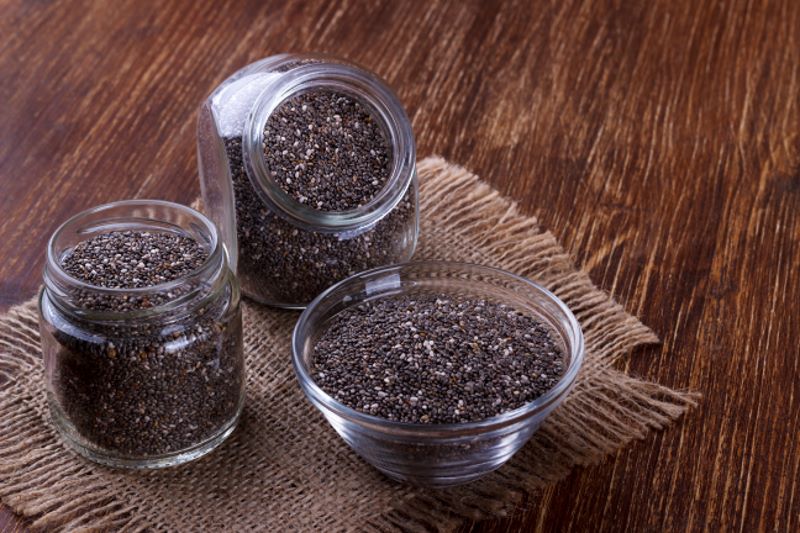
Seeds, together with nuts, serve as an amazing natural source rich in Omega 3 Fatty Acids which could offer protection against various heart diseases. Hence, integrate these foods while preparing breakfast, dinner, or supper every day so that you can help maintain healthy conditions throughout one’s entire body, especially for heart-related functions.
SNo. |
Seed/Nut | Description |
| 19 | Chia Seeds | High in ALA; great for mixing into yoghurt or cereals. |
| 20 | Flaxseeds | Rich in ALA; can be ground and added to smoothies or baked goods. |
| 21 | Hemp Seeds | High in ALA; perfect for adding to salads, smoothies, or cereals. |
| 22 | Walnuts | Contains ALA; can be eaten as a snack or used in cooking and baking. |
| 23 | Hazelnuts | Provides ALA; perfect for snacking or using in desserts. |
| 24 | Pecans | Contains ALA; suitable for snacking or adding to baked goods. |

Among all proteinaceous materials derived from animals, seafood happens to be among those having higher content levels of EPA and DHA types belonging to a category called polyunsaturated acid chains, commonly referred to simply by their acronyms EPA (Eicosapentaenoic Acid) & DHA (Docosahexaenoic Acid).
SNo. |
Food | Description |
| 25 | Salmon | High in EPA and DHA, it is excellent for grilling, baking, or poaching. |
| 26 | Mackerel | Rich in omega-3, it can be grilled, baked, or smoked. |
| 27 | Sardines | Offers high levels of EPA and DHA, great fresh or canned. |
| 28 | Anchovies | Contains EPA and DHA, and it can be used in various dishes. |
| 29 | Herring | A source of EPA and DHA, and can be grilled, baked, or smoked. |
| 30 | Oysters | Rich in Omega 3, it can be eaten raw or cooked. |
| 31 | Trout | Contains EPA and DHA, and can be grilled, baked, or sautéed. |
| 32 | Halibut | Provides Omega 3, suitable for grilling, baking, or frying. |
| 33 | Tuna | High in EPA and DHA, it is perfect for grilling, searing, or canning. |
| 34 | Shrimp | Contains Omega 3, and can be grilled, boiled, or sautéed. |
| 35 | Crab | Offers Omega 3, and can be boiled, steamed, or used in crab cakes. |
It will be valuable for you to take in meals containing a lot of Omega 3 fatty acids every day because they have several health benefits, such as better heart and brain functions. You can ensure that you have a holistic eating plan that contributes to your general wellness by eating different types of vegetables, fruits, plant oils, seeds, nuts, and animal proteins rich in Omega 3 fats. Use these Omega 3 Rich foods with nutrients regularly to live healthily and keep fit forever.
The daily recommended intake of Omega 3 fatty acids varies depending on age, sex, and life stage. Here's a breakdown of the daily recommended intake of Omega 3 for different groups:
Age Group |
Daily Recommended Intake of Omega 3 (mg) |
| Infants 0-6 months | 500 mg (ALA) |
| Infants 7-12 months | 0.5 g (ALA) |
| Children 1-3 years | 0.7 g (ALA) |
| Children 4-8 years | 0.9 g (ALA) |
| Children 9-13 years (male) | 1.2 g (ALA) |
| Children 9-13 years (female) | 1.0 g (ALA) |
| Adolescents 14-18 years (male) | 1.6 g (ALA) |
| Adolescents 14-18 years (female) | 1.1 g (ALA) |
| Adults 19+ years (male) | 1.6 g (ALA) |
| Adults 19+ years (female) | 1.1 g (ALA) |
| Pregnant Women | 1.4 g (ALA) |
Note that the recommended intake primarily refers to alpha-linolenic acid (ALA), which can be found in plant-based sources such as seeds and nuts. For the more potent forms of Omega 3, eicosapentaenoic acid (EPA) and docosahexaenoic acid (DHA), there isn't an established official recommendation. However, the American Heart Association suggests consuming at least two servings of fatty fish per week for cardiovascular health.
For individuals who do not consume fish, supplements like fish oil or algae oil can provide EPA and DHA. It is advisable to consult with a healthcare provider before taking supplements to determine the appropriate dosage for your specific needs.
Check Other Important Health Metrics Now

The primary benefits of consuming omega 3 Rich foods are listed below.
According to the American Heart Association (AHA), consuming at least 2 fatty acid-rich fish per week is important. There are three main types of Omega 3 fatty acids:
It is essential to consume Omega 3 fatty acids to stay healthy. They lower blood pressure and triglyceride levels, promote healthy blood circulation, and inhibit clotting, benefiting the heart. Because they improve cognitive function and may fend off age-related mental decline, these acids also positively impact brain health.
Moreover, Omega 3s have the following health benefits:
It is always beneficial in the long run to follow a diet containing sufficient vitamins, minerals, Omega 3 and other proteins. The intake of these nutrients improves overall gut health and reduces inflammatory health issues, thus imparting a healthy lifestyle.
Hence, a diet containing a mindful portion of Omega 3 Rich foods and other nutrients will keep one active for a longer period and keep diseases at bay.
Omega 3 fatty acids are necessary for good health and support many functions in the body. Here’s how you can add more of them to your meals:
To maintain good health, it can be important to know the symptoms of a lack of Omega 3. These acids are necessary for many functions within the body, so when they are not present enough, there is varied evidence about what may happen. One sign that may indicate there is not enough Omega 3 in your diet or lifestyle could be dry skin; this being said, it helps keep our skin moisturised and healthy looking. Furthermore, another indicator could be weak hair and nails, as these fats support cell membranes, which make up tissues throughout all parts of our bodies.
A deficiency in Omega 3 fatty acids can have negative effects on various aspects of your health, as these essential fats play a crucial role in many bodily functions. Inadequate Omega 3 intake may lead to several health issues that can impact your quality of life.
Here are some potential side effects of a lack of Omega 3 in your diet:
While Omega 3 fatty acids are essential for good health, excessive intake can lead to potential side effects. It's important to strike a balance in your consumption to avoid these issues. Excessive Omega 3 intake can affect various aspects of your health.
Here are some potential side effects of consuming too much Omega 3:
The decision to take an Omega 3 supplement or not should be made based on somebody’s diet and health requirements. Fish, including salmon, as well as plants like chia seeds, are some of the sources of Omega 3 that a balanced meal can provide adequately. If it becomes hard for you to include these types of foods in your daily consumption, then taking supplements may become necessary, especially if you are a vegetarian.
Additionally, individuals suffering from particular health conditions, such as inflammatory ailments or heart problems, can also benefit from using supplements like fish oil or algae capsules. Before commencing any dosage plan for supplements, it is important to seek advice from professional healthcare providers who will determine whether they are suitable for your situation and prevent consumption of excess amounts that may cause bleeding, among other side effects.
Introducing foods rich in Omega 3s into one's diet can greatly improve overall body wellness since they support heart functions as well as brain activities, besides promoting eye health. This means that by simply incorporating various sources of these beneficial fatty acids into meals—fish, seeds, nuts, etc.—people can achieve nutritional diversity while enjoying flavorful dishes at the same time. Either through natural products or artificially manufactured ones like pills, it is essential to ensure enough supply to keep fit always.
Protect What Matters - Explore Other Insurance Options