General
Life
Accessibility Options


General

General Products
Simple & Transparent! Policies that match all your insurance needs.
 Car Insurance
 Two Wheeler Insurance
 Commercial Vehicle Insurance
 Health Insurance
 Home Insurance
 Travel Insurance
 Business Insurance
Car Insurance
Two Wheeler Insurance
Commercial Vehicle Insurance
Health Insurance
Travel Insurance
Business Insurance
Car Insurance
Two Wheeler Insurance
Commercial Vehicle Insurance
Health Insurance
Travel Insurance



Scan to download

Life

Life Products
Digit Life is here! To help you save & secure your loved ones' future in the most simplified way.
 Term Life
 Savings Plan
 Retirement and Pension Plans
 Group Life Products
 Product Documents
Term Life
Savings Plan
Retirement and Pension Plans
Group Life Products
Product Documents
Term Life
Savings Plan
Retirement and Pension Plans
Group Life Products

Scan to download

Claims

Claims
We'll be there! Whenever and however you'll need us.
 Customer Support
 Motor Claims
Health Claims
Motor Claims
Health Claims
 Marine Insurance
 Grievance Redressal
Customer Support
Motor Claims
Health Claims
Marine Insurance
Grievance Redressal
Grievance Redressal
Customer Support
Motor Claims
Health Claims
Marine Insurance
Grievance Redressal

Scan to download
 General
 Life
General
Life
Life
General
Life
Renewals
Resources

Resources
All the more reasons to feel the Digit simplicity in your life!
Exclusive Features
 Transparency Report
Others
Exclusive Features
Transparency Report
Transparency Report
Others
Exclusive Features
Transparency Report

Scan to download


Our WhatsApp number cannot be used for calls. This is a chat only number.

 Grey Scale
 Readable Text
 Reset
Reset



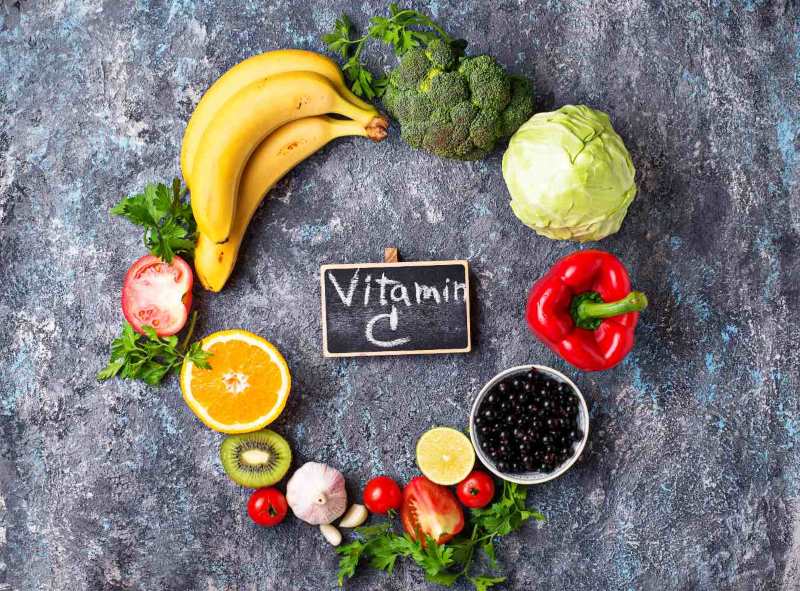
L-ascorbic acid, commonly known as vitamin C, is one of the most beneficial and talked about vitamins. The human body cannot naturally produce this vitamin. However, it is highly essential for proper bodily functions.
Foods that contain vitamin C include citrus fruits, vegetables, and other dietary supplements. The following write-up will provide you with a detailed overview of the health benefits of vitamin C rich foods and how they assist the body in day-to-day functioning.
The human body cannot synthesise vitamin C naturally. Hence, it has to be supplied through food items that are loaded with vitamin C.
Among such foods items, fruits and vegetables containing vitamin C are probably the only sources. The daily recommended limit of vitamin C intake for adults is 65-90 milligrams.
If you want to know which food has the most vitamin C, make sure to go through the following section. However, keep in mind that the actual amount of vitamin C might vary.

Table of Contents

Citrus fruits, berries, vegetables, and other foods contain vitamin C, a water-soluble vitamin sometimes referred to as ascorbic acid and ascorbate. Your body needs vitamin C to produce muscle, blood vessels, cartilage, and bone collagen.
You must obtain vitamin C from your diet because your body cannot make it. Citrus fruits, berries, potatoes, tomatoes, peppers, cabbage, and spinach all contain vitamin C. Additionally, vitamin C can be taken orally as a supplement, usually as chewable pills and capsules.
Fresh fruits and vegetables are just one of the numerous natural sources of vitamin C. The most abundant sources consist of:
Indian gooseberry (700 mg/100 g)
Citrus fruits, such as limes, oranges and lemons
Tomatoes and tomato juice
Potatoes
Green and red peppers
Kiwifruit, strawberries and cantaloupes
Green leafy vegetables such as broccoli
Fortified cereals
Food loses vitamin C when it is cooked and stored for extended periods. Microwaving or steaming can reduce its content. The daily requirement for vitamin C is met by eating an adequate amount of fresh fruits and vegetables, which equates to five or more servings of various fruits and vegetables.
Look at these top vitamin C rich foods designed to feed your body and excite your taste buds. This list includes colourful vegetables, juicy fruits, nuts and seeds, and animals and seafood full of nutrients.
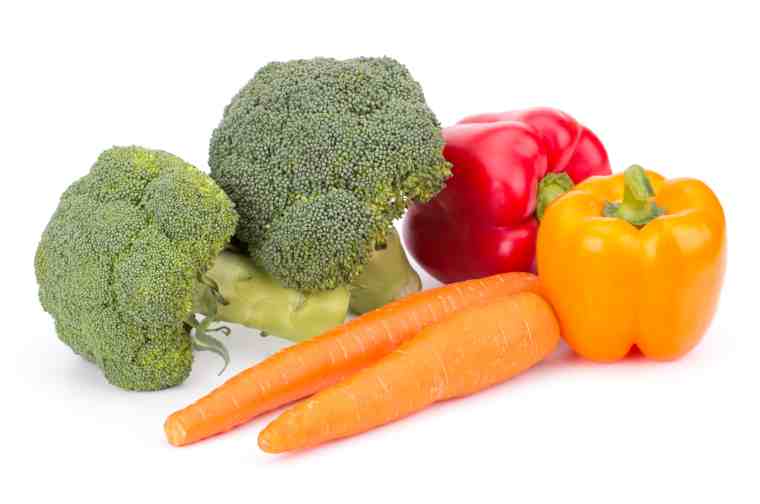
Vegetables are also reliable sources of vitamin C. Here’s a list of top vitamin C vegetables that can help you to fulfil your daily recommended level of vitamin C requirement:
SNo. |
Vegetable | Description |
| 1 | Broccoli | Broccoli is a common name associated with healthy eating. However, it is also a powerhouse of vitamin C. 100 grams of serving packs nearly 132 mg of vitamin C along with a lot of fibre, micro fibres, and nutrients. Apart from being a great source of vitamin C, broccoli also acts as a detoxifier by eliminating dangerous toxins from the blood. If you are wondering which vegetable has the most vitamin C, then the answer is broccoli. 10 |
| 2 | Cauliflower | Seasonal vitamin C vegetables like cauliflower also serve as a good source of vitamin C. A cup of finely chopped cauliflower can provide about 45 mg of vitamin C. Moreover, you can also add vitamin K and folate to your daily diet intake with cauliflower. A |
| 3 | Spinach | A 100 gram serving of green leafy vegetables like spinach can be enough to fulfil your daily dietary vitamin C intake requirement as you can get as much as 120 mg of this vitamin. |
| 4 | Tomatoes | Tomatoes are another essential source of vitamin C. 100 grams of raw diced tomato contains 100 mg of vitamin C. They also contain great anti-inflammatory properties and are beneficial for the skin. |
| 5 | Cabbage | 100 grams of cabbage consists of around 36.6 mg of vitamin C, which turns out to be half of the total value which is recommended for humans. |
| 6 | Collard Greens | These are a nutritious green leafy vegetable that looks quite similar to spinach and consists of a high amount of vitamin C. There is about 35.3 mg of this vitamin in 100 grams of collard greens. |
| 7 | Swiss Chard | Consisting of dark green leaves and red stems, Swiss chard is enriched with vitamin C. There is about 30 mg of vitamin C present in 100 grams of Swiss chard. |
| 8 | Potato | 100 grams of raw potato contains about 19.7 mg of vitamin C. |
| 9 | Peas | Fresh green peas are a great source of plant-based protein and vitamin C. There is about 14.2 mg of vitamin C present in 100 grams of peas. |
| 10 | Turnips | There is about 11.6 mg of vitamin C present in 100 grams of turnips. |
| 11 | Watercress | A nutritious aquatic plant, watercress is the oldest known leafy vegetable and consists of a high amount of vitamin C. There is about 43 mg of vitamin C present in 100 grams of watercress. |
| 12 | Kohlrabi | Kohlrabi or a German turnip is a vegetable that can be consumed both in the raw and cooked state. There is about 62 mg of vitamin C present in 100 grams of kohlrabi. |
| 13 | Mustard Greens | There is about 70 mg of vitamin C present in 100 grams of mustard greens. |
| 14 | Lambsquarters | Also known as bacon weed and goosefoot, lambsquarters contain about 80 mg of vitamin C in its 100 grams portion. |
| 15 | Brussels Sprouts | There is 85 mg of vitamin C present in 100 grams of raw Brussels sprouts. |
| 16 | Kale | Also termed leaf cabbage, kale is rich in vitamin C, with its 100 grams portion containing 120 mg of vitamin C. |
| 17 | Parsley | There is 133 mg of vitamin C present in 100 grams of parsley. |
| 18 | Green chilli | There is 242 mg of vitamin C present in 100 grams of green chillies. |
Individuals who fail to acquire the necessary amount of vitamin C from such items may suffer from several health disorders.
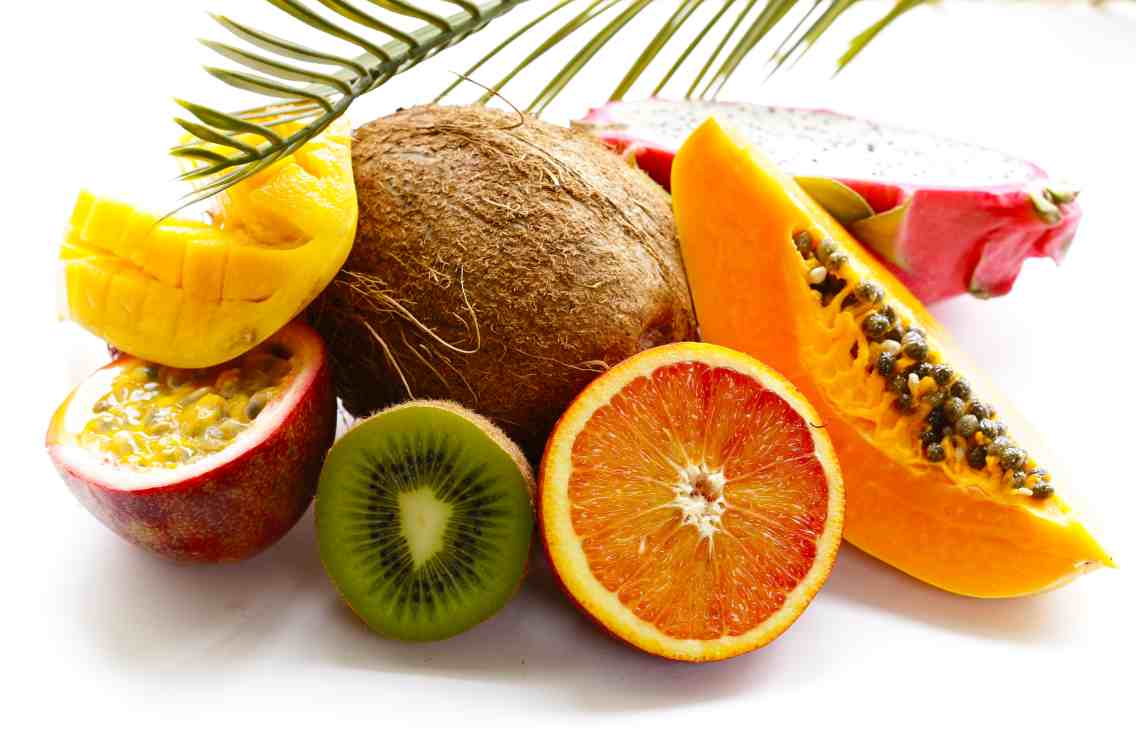
These values can vary slightly depending on factors like ripeness and cultivation methods. Here's a list of fruits rich in vitamin C, along with their approximate content per 100 grams:
SNo. |
Fruit | Description |
| 19 | Guava | Guava is a popular fruit that is loaded with vitamin C. It is one of the best vitamin C rich fruits in India. It can be used in desserts, salads, jellies, and more. A 100 grams serving of guava can provide 250 milligrams of vitamin C. It is more than twice the daily vitamin C intake requirement. Guava is also a great choice for those on a diet as 100 grams servings come with just 68 calories. |
| 20 | Kakadu Plums | This Australian superfood contains about 100 times higher amounts of vitamin C as compared to oranges. It is known to provide 5300 mg of vitamin C in its 100 grams. Besides vitamin C, it contains rich amounts of vitamin E, potassium, and lutein. |
| 21 | Acerola Cherries | 49 grams of red acerola cherries provides 822 mg of vitamin C. |
| 22 | Rose Hips | This is a small-sized fruit from the rose plant which bears a sweet and tangy taste. There is about 119 mg of vitamin C present in six rose hips. |
| 23 | Black Currant | Having one-half cup or about 56 grams of black currants can provide you roughly 101 mg of vitamin C. |
| 24 | Lemons | Along with its peel, a single raw lemon offers around 83 mg of vitamin C. |
| 25 | Lychees | Single lychee offers about 7 mg of vitamin C. |
| 26 | Papaya | 145 grams of papaya offers about 87 mg of vitamin C. |
| 27 | Strawberry | There is about 89 mg of vitamin C in 152 grams of strawberry. |
| 28 | Oranges | A medium-sized orange provides an individual with about 70 mg of vitamin C. |
| 29 | American Persimmons | American persimmon is an orange coloured fruit resembling a tomato and comes in a number of varieties. There is approximately 16.5 mg of vitamin C present in one American persimmon. |
| 30 | Cantaloupe | Apart from the 30 mg of vitamin C present in half a cup of cantaloupe, this melon is a host to a number of nutrients. |
| 31 | Apricots | There is about 10 mg of vitamin C present in 100 grams of apricots. |
| 32 | Cherries | 100 grams of cherries consists of around 7 mg of vitamin C |
| 33 | Raspberry | There is around 26.2 mg of vitamin C present in 100 grams of raspberry. |
| 34 | Blackberry | 100 grams of blackberry consists of around 21 mg of vitamin C. |
| 35 | Mango | A single mango consists of around 57.3 mg of vitamin C. |
| 36 | Grapefruit | Having 100 grams of grapefruit consists of around 31.2 mg of vitamin C. |
| 37 | Citrus Fruits | Citrus fruits such as lemons, grapes, oranges, and limes are excellent sources of vitamin C. If you are wondering which fruits have the most vitamin C, then here’s your answer. A medium-sized orange comes with nearly 70 mg of vitamin C. Moreover, a 100 grams serving of orange juice contains 93 mg of vitamin C and only about 45 calories. For the same amount of grapefruit, your body can get around 70 mg of vitamin C. |
| 38 | Kiwi | Kiwi is one of the many fruits rich in vitamin C. These little fruits contain more vitamin C than oranges. 2 medium kiwi fruits can have nearly 137 mg of vitamin C. In addition to vitamin C, kiwis are rich in several other dietary minerals and supplements such as copper, potassium, and flavonoids. |
| 39 | Amla | Indian gooseberry, commonly known as amla, is no less than a superfood. It is widely used in ayurvedic medical concoctions. It is a rich source of vitamin C and is known for its ability to enhance the natural defence system of the body. Amla can protect from various seasonal diseases and can be easily termed as the best fruit for vitamin C. |
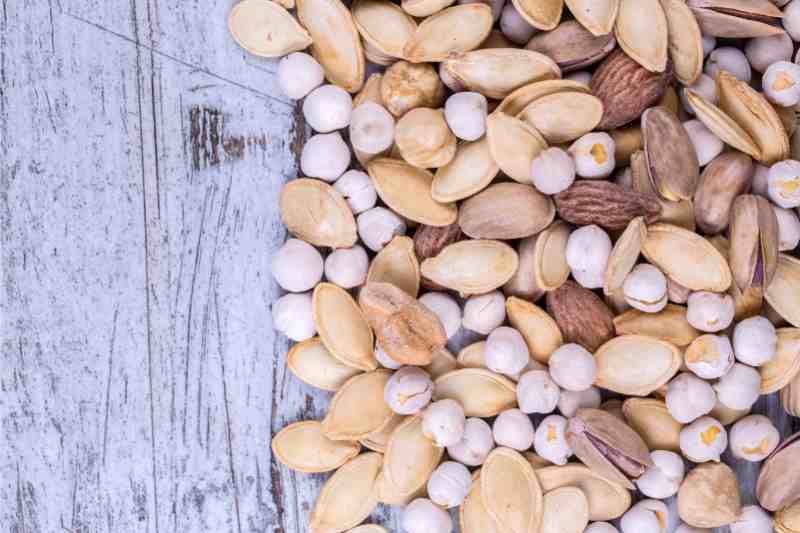
Seeds and nuts are not typically significant sources of vitamin C compared to fruits and vegetables. However, here are some seeds and nuts along with their approximate vitamin C content per 100 grams:
SNo. |
Seeds and Nuts | Description |
| 40 | Pine nuts | 100 grams of pine nutes will give you 5.3 mg of vitamin C. |
| 41 | Chestnuts | 100 grams of these nuts contain 26.7 mg of vitamin C. |
| 42 | Chia seeds | 1.6 mg is found in 100 grams of chia seeds. |
| 43 | Sunflower seeds | Get 1.4 mg of vitamin C from 100 grams of these seeds. |
| 44 | Pumpkin seeds | 100 grams of pumpkin seeds consists of 0.6 mg. |
| 45 | Pistachios | 5.7 mg of vitamin C is there in p 100 gm of pistachios. |
| 46 | Cashews | Get 0.1 mg of vitamin C from about 100 gm of cashews. |
| 47 | Pecans | Pecan have about 0.9 mg of vitamin C in a 100 gm serving |
| 48 | Hazelnuts | 6.3 mg is found in 100 gm of hazelnuts. |
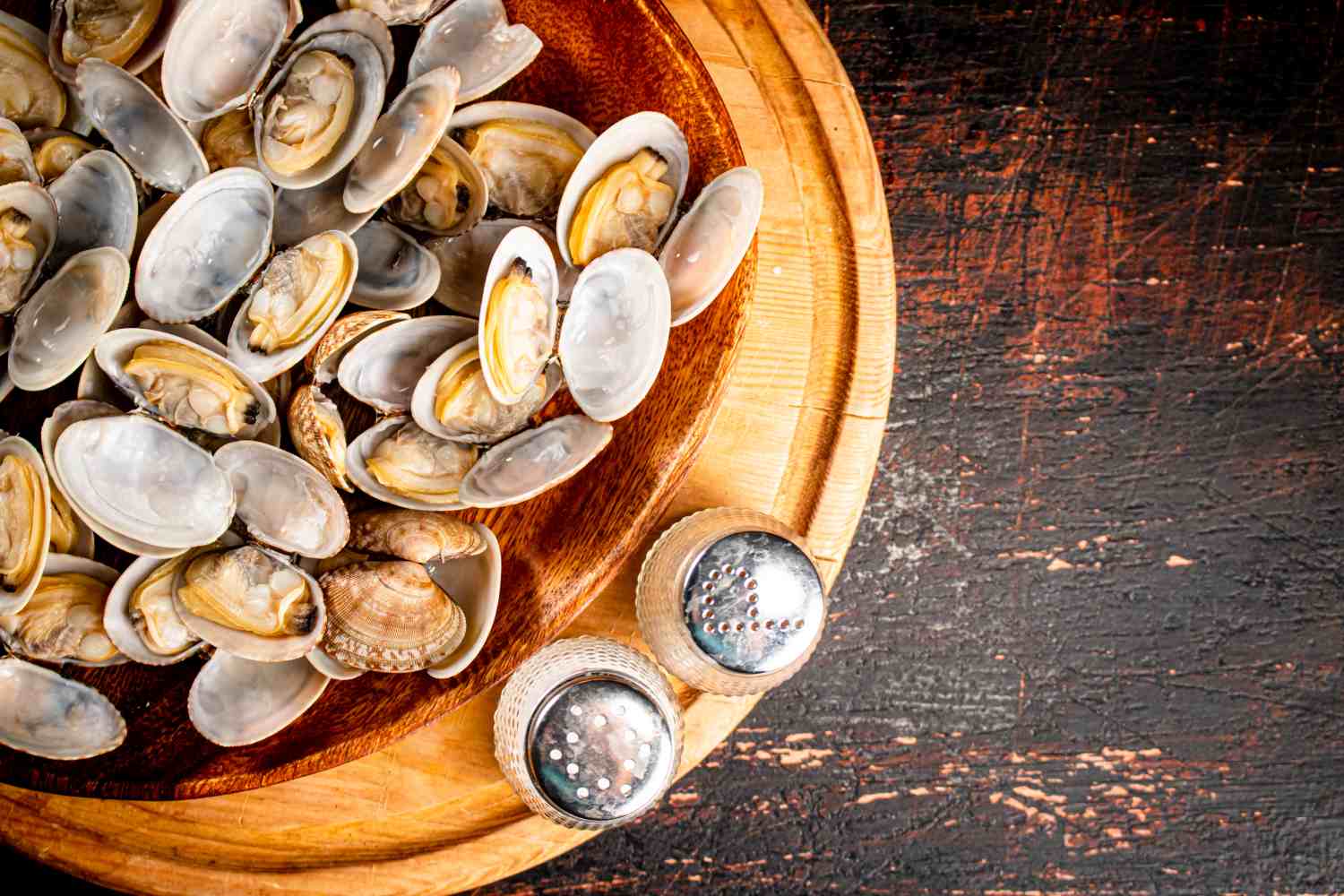
Animal-based foods and seafood are generally not significant sources of vitamin C, as they are primarily found in plant-based sources. However, here are some animal and seafood options that contain trace amounts of vitamin C:
SNo. |
Animal and Seafood | Description |
| 49 | Liver (beef or chicken) | Get 100 gm of liver and you have 27 mg of vitamin C. |
| 50 | Oysters | Oyesters have about 17 mg of vitamin C in a 100 gm serving. |
| 51 | Clams | 21 mg of vitamin C is found in 100 gm of clams. |
| 52 | Fish roe (such as caviar) | 100 mg of fish roe will give 9 mg of vitamin C. |
According to the National Institutes of Health, the amount of vitamin C you need daily depends on age. The average recommended daily amounts for different ages are listed below in milligrams (mg).
Age Group |
Recommended Vitamin C Intake (milligrams per day) |
| Birth to 6 months | 40 mg |
| Infants 7–12 months | 50 mg |
| Children 1–3 years | 15 mg |
| Children 4–8 years | 25 mg |
| Children 9–13 years | 45 mg |
| Teens 14–18 years (boys) | 75 mg |
| Teens 14–18 years (girls) | 65 mg |
| Adults (men) | 90 mg |
| Adults (women) | 75 mg |
| Pregnant teens | 80 mg |
| Pregnant women | 85 mg |
| Breastfeeding teens | 115 mg |
| Breastfeeding women | 120 mg |
If you smoke, add 35 mg to the above values to calculate your total daily recommended amount.
Calculate Your Health Metrics Instantly
Vitamin C offers a wide range of health benefits. Here are some of the major benefits of consuming vitamin C:
One of the most well-known benefits of vitamin C is that it helps to strengthen the immune system. A study conducted by the University of Helsinki shows that significant vitamin C intake lowers the duration of viral infection.
In addition, a review published in November 2017 in Nutrients says that vitamin C aids in strengthening the immune system by preventing oxidative stress.
Vitamin C eliminates harmful foreign microbes and reduces the possibility of tissue damage. Therefore, including vitamin C food sources in daily diet can help in boosting the overall immunity.
High blood pressure can lead to major heart ailments along with the possibility of stroke. Vitamin C fruits and vegetables can work wonders in keeping blood pressure under control. These food items help in reducing the level of triglyceride. Triglyceride, commonly known as bad cholesterol, is the primary factor behind high blood pressure levels.
Lemons, for instance, are a great solution for high blood pressure and hypertension. It helps in making the blood vessels soft and flexible, thereby facilitating a smooth flow of blood.
Collagen is an important protein that plays a vital role in the production of connective tissues. Connective tissue is found in abundance in hair, nail, skin, and other body organs. The presence of sufficient vitamin C facilitates the production of collagen.
Collagen helps in maintaining the elasticity of the skin, which tends to decrease with age. Adequate collagen is essential for firm and healthy skin tissues. In addition, vitamin C is a popular beauty ingredient in many cosmetic products for a glowing and even skin tone.
Iron is an essential mineral for the body. It aids the body in proper growth and development and helps in improving the distribution of oxygen throughout the body. Moreover, iron also assists in the production of various hormones.
However, iron found in plant sources (nonheme iron) can be quite difficult for your body to absorb effectively. This is where vitamin C steps in. According to Harvard Health Publishing, consuming fruits and vegetables rich in vitamin C can help in better absorption of nonheme iron.
Research shows that the synthesis of neurotransmitters and cognitive functions depend greatly on vitamin C. Neurotransmitters help the brain in sending messages to various parts of the body. Therefore, proper synthesis of neurotransmitters is associated with increased brain function.
Studies show that vitamin C aids in slowing down the spread of macular degeneration, which is an eye disorder that leads to loss of vision. A report published in the Archives of Ophthalmology suggests that those who took 500 milligrams of vitamin C in their daily diet along with vitamin E, zinc and beta-carotene, showed reduced chances of macular degeneration by almost 25% and reduction of visual acuity by almost 15%.
Packing a punch of health benefits, vitamin C-rich foods are beneficial for a strong and healthy body. Here are the many health benefits of vitamin C:
Here are some health benefits of incorporating vitamin C-rich foods into your diet:
Vitamin C is an essential element for the body, and you must consume it on a daily basis to prevent its deficiency. The unavailability of adequate vitamin C in the body can disrupt normal bodily functions and lead to various ailments. Here are some of the signs that might indicate vitamin C deficiency:
Vitamin C is responsible for the production of collagen in the body. Collagen helps in promptly healing the cuts and wounds. With vitamin C deficiency, the body loses its ability to generate adequate collagen, which results in the slow healing of wounds. In cases of severe deficiency, old wounds may reopen.
Inadequate vitamin C leads to weakened gum tissues and inflamed blood vessels around the gums. This causes red and swollen gums, which eventually results in the falling of teeth.
Vitamin C is responsible for the systemic absorption of iron in the body. Insufficient vitamin C levels can lead to poor iron absorption resulting in iron deficiency anaemia. The signs of iron deficiency anaemia include pale skin, fatigue, pounding of the heart, sore tongue, unexplained hair loss, chest pain, and more.
Other key signs include:
Dry and rough skin
Poor immunity
Sudden weight gain
Weak bones
Swollen joints
To sum up, you must make sure to have enough vitamin C rich foods to maintain a healthy level of the vitamin. You can add several fruits and vegetables to your daily diet to meet the daily recommended vitamin C intake requirement. Health experts suggest following the red, green, and yellow rules for vitamin C intake, which would include bell peppers, green leafy vegetables, and colourful citrus fruits.
Note: Apart from fruits and vegetables, there is rarely any other food source that contains vitamin C.
By incorporating these vitamin C rich foods into your diet in various ways, you can ensure that you're getting an adequate intake of this essential nutrient to support your overall health and well-being.
Consuming adequate vitamin C from a balanced diet with plenty of fruits and vegetables is important to minimise these risks. Not getting enough vitamin C can lead to various health risks and complications:
Severe deficiency leads to scurvy.
Decreased intake may prolong wound healing and increase infection risk.
Deficiency can cause joint and muscle pain.
Insufficient intake may result in dry, prematurely aged skin.
Without enough vitamin C, there is a risk of developing iron deficiency anaemia.
While vitamin C is generally considered safe and well-tolerated, excessive intake can lead to certain side effects:
Whether or not you should take a vitamin C supplement depends on several factors, including your diet, lifestyle, and health status. If you have a balanced diet rich in fruits and vegetables, you may already be getting enough vitamin C naturally. A supplement might be beneficial if you have a limited intake of these foods or have certain health conditions that increase your need for vitamin C, such as smoking or pregnancy.
It's important to note that while vitamin C supplements are generally safe for most people when taken in recommended doses, excessive intake can lead to adverse effects such as digestive discomfort or kidney stones. Therefore, it's always wise to consult with a healthcare professional before starting any new supplement regimen to ensure it's appropriate for your needs and health status.
Vitamin C or L-ascorbic acid is a water-soluble vitamin that turns out to be highly essential for carrying out the proper bodily functions in the human body.
However, since it cannot be produced naturally in the human body, one must obtain it from the right food sources so as to avoid any deficiency. But before diving into the various food sources, one must first be aware of their role in the human body.
This water-soluble vitamin helps boost the immune system, maintains blood pressure level, allows the production of collagen for youthful skin, enhances iron absorption, helps in brain functioning and protects the eyes.
Regarding vitamin C rich foods, one must keep in mind that fruits and vegetables can be considered the best sources of this vitamin. The various fruits which contain a high amount of this vitamin include:
Guava
Kakadu plums
Acerola cherries
Rose hips
Black currant
Lemons
Lychees
Papaya
Strawberry
Oranges
American persimmons
Cantaloupe
Apricots
Cherries
Raspberry
Blackberry
Mango
Grapefruit
Kiwi
Amla
Among vegetables, the following are the best sources:
Broccoli
Cauliflower
Spinach
Tomatoes
Cabbage
Collard greens
Swiss chard
Potato
Peas
Turnips
Watercress
Kohlrabi
Mustard greens
Lambsquarters
Brussels sprouts
Kale
Parsley
Green chilli
Among seeds and nuts, the following are the best sources:
Pine nuts
Chestnuts
Chia seeds
Sunflower seeds
Pumpkin seeds
Pistachios
Cashews
Pecans
Hazelnuts
Among animals and seafood, the following are the best sources:
Liver (beef or chicken)
Oysters
Clams
Fish roe (such as caviar)
If someone doesn’t get to have these food sources, there might be a deficiency of this vitamin in their system, which can be noticed through several symptoms:
Delayed wound healing
Dry and rough skin
Poor immunity
Sudden weight gain
Weak bones
Swollen joints
Bleeding gums
Iron deficiency anaemia
In order to avoid these, one must ensure to consume adequate quantities of vitamin C rich foods. This can be done by having a balanced diet consisting of the above-mentioned fruits and vegetables.
In numerous bodily activities, vitamin C is essential. While many people may obtain adequate vitamin C from their diets alone, those deficient in particular food categories may benefit from supplementation. Consult your medical practitioner before beginning any supplements if you have a chronic illness or take prescription drugs.
Protect What Matters - Explore Other Insurance Options