General
Life
Accessibility Options


General

General Products
Simple & Transparent! Policies that match all your insurance needs.
 Car Insurance
 Two Wheeler Insurance
 Commercial Vehicle Insurance
 Health Insurance
 Home Insurance
 Travel Insurance
 Business Insurance
Car Insurance
Two Wheeler Insurance
Commercial Vehicle Insurance
Health Insurance
Travel Insurance
Business Insurance
Car Insurance
Two Wheeler Insurance
Commercial Vehicle Insurance
Health Insurance
Travel Insurance



Scan to download

Life

Life Products
Digit Life is here! To help you save & secure your loved ones' future in the most simplified way.
 Term Life
 Savings Plan
 Retirement and Pension Plans
 Group Life Products
 Product Documents
Term Life
Savings Plan
Retirement and Pension Plans
Group Life Products
Product Documents
Term Life
Savings Plan
Retirement and Pension Plans
Group Life Products

Scan to download

Claims

Claims
We'll be there! Whenever and however you'll need us.
 Customer Support
 Motor Claims
Health Claims
Motor Claims
Health Claims
 Marine Insurance
 Grievance Redressal
Customer Support
Motor Claims
Health Claims
Marine Insurance
Grievance Redressal
Grievance Redressal
Customer Support
Motor Claims
Health Claims
Marine Insurance
Grievance Redressal

Scan to download
 General
 Life
General
Life
Life
General
Life
Renewals
Resources

Resources
All the more reasons to feel the Digit simplicity in your life!
Exclusive Features
 Transparency Report
Others
Exclusive Features
Transparency Report
Transparency Report
Others
Exclusive Features
Transparency Report

Scan to download


Our WhatsApp number cannot be used for calls. This is a chat only number.

 Grey Scale
 Readable Text
 Reset
Reset



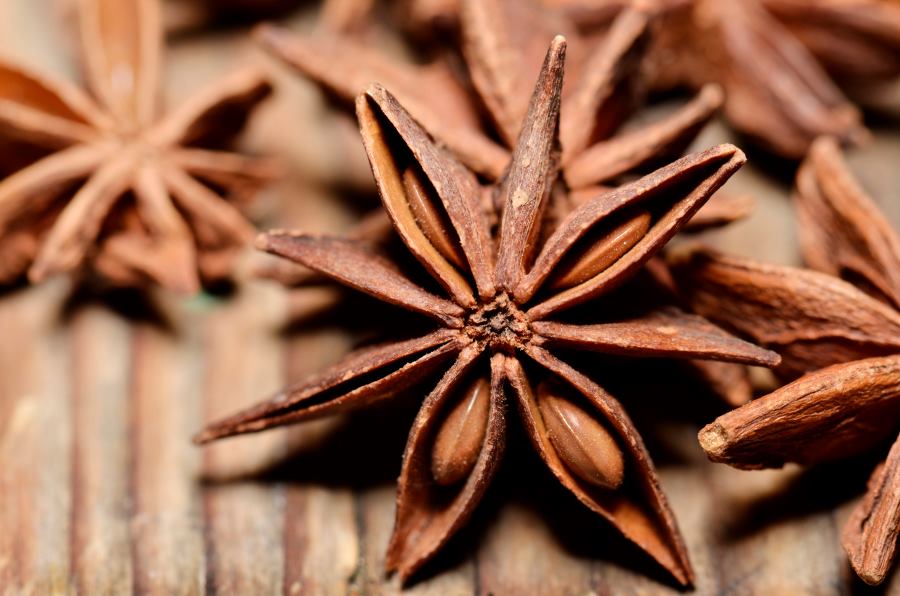
Anise is a plant from the same family as celery, parsley, and carrots. It can grow up to 1 meter tall and produces a small white fruit known as anise seeds. These anise seeds have a licorice-like taste and are used as a flavoring to enhance the taste of drinks and desserts. These seeds are also popular for their nutritional benefits and often provide a natural remedy to many diseases.
If you want to know more about the health benefits of anise seeds, continue reading.

Table of Contents

Anise is also known as Pimpinella anisum or aniseeds. Anise is a spice used by maximum households to treat everything, from stomach problems to coughs and colds. Here are the benefits of eating anise seeds that one can derive.
Egyptians initially used anise herb in their cooking, and Romans anise seed cakes after any meal to improve digestion. This herb is extremely useful for the digestive system and prevents digestive issues. Researchers confirm that taking a combination of anise, elderberry, senna, and fennel can help ease constipation. It also works as an appetite stimulant. Anise seeds are also helpful in the prevention of stomach ulcers. Although medication is necessary to decrease the production of stomach acid, anise seeds can reduce symptoms. Anise seeds are also helpful in reducing symptoms like burning sensations in one's chest and nausea.
Anise seeds relieve menstrual pain and help manage the menstruation cycle and support healthy reproductive health in women. According to a study, combining anise, celery seed, and saffron helps alleviate the pain. Apart from that, anise tea is suggested if one faces a delay in his/her monthly period due to hormonal changes or stress. Anise seed powder is an effective treatment for menstrual disorders. It also effectively reduces symptoms of a hot flash, dry skin and fatigue when a woman goes through menopause. These seeds are known to mimic the effects of oestrogen in one's body, thereby reducing symptoms of menopause.
Essential oil made with anise includes sedative effects and narcotics. This essential oil might help relax epileptic and hysterical assaults by reducing nervous response, respiration and blood circulation. It is really efficient at sedating hyper responses, convulsions and nervous conditions. However, it should be used cautiously as it might cause serious side effects in kids.
Anise seeds have anti-bacterial and anti-microbial properties. Thus, they are used as a primary ingredient in mouthwash. It helps maintain oral hygiene by battling bad breath problems and oral swelling issues.
Using anise oil is beneficial for maintaining a healthy heart. This oil keeps the blood pressure in check and reduces pressure on the heart. Moreover, it keeps the heart balanced and healthy and enhances blood flow as it is detoxifying in nature. However, individuals who have low blood pressure levels should avoid using this oil as it can lead to an additional drop in blood pressure levels.
Anise herb can be used to improve lactation in breastfeeding mothers. This herb consists of photoantheole and diantheole, which have gentle estrogenic properties in it to improve lactation. Additionally, star anise is used to boost libido and deal with signs of premenstrual syndrome or PMS due to its estrogenic effects. However, before using this herb, lactating mothers should seek advice from their physicians.
Individuals suffering from sleep disorders can take the help of aniseed tea. One can take it before going to sleep or after meals. However, one should not boil aniseed for too long as it might end up vaporising the essential oil in it. It can also lose many of its therapeutic qualities.
According to some studies, anise can slow down the growth of a few infection-producing fungi. Anise oil contains trans-anethole properties, which exhibit antifungal properties. One such fungus is the yeast Candida albicans which causes thrush and vaginal yeast infections. Other fungal species from which it prevents include Candida parapsilosis, Candida krusei, and Candida tropicalis. Anise can also prevent cholera because it is effective against Vibrio cholera O1E1.
Anise contains a substantial amount of iron, which is an important component of haemoglobin. If haemoglobin does not contain enough iron in it, it won't be able to do its function of transporting oxygen to one's body tissues properly. This lack of iron can lead to developing anaemia. Thus, consuming iron-rich foods like anise seeds can lower the chances of developing anaemia.
Anise seeds are beneficial for respiratory health, helping to clear mucus and ease coughs. Their expectorant properties can provide relief from respiratory conditions like bronchitis and asthma. The seeds also soothe irritated airways, improving breathing. This makes them a helpful remedy for respiratory discomfort.
Anise seeds contain compounds that can mimic estrogen, which helps regulate menstrual cycles and alleviate symptoms of PMS. They may also support menopausal health by balancing hormone levels. Their effect on hormonal regulation contributes to reproductive health. This makes them a valuable addition to a balanced diet.
Anise seeds may help regulate blood sugar levels by improving insulin sensitivity. This can be beneficial for individuals with diabetes or those at risk of developing the condition. By supporting stable blood sugar levels, they contribute to metabolic health. Their effect on glucose metabolism is a key benefit.
The calming effects of anise seeds can promote better sleep and help manage insomnia. Their natural sedative properties can relax the nervous system and induce sleepiness. Consuming anise seeds before bedtime can enhance sleep quality. This contributes to overall well-being and restfulness.
Anise seeds can benefit skin health through their antioxidant and antimicrobial properties. They help protect the skin from damage caused by free radicals and harmful bacteria. Their anti-inflammatory effects can also soothe skin irritations and conditions. This promotes a clear and healthy complexion.
Anise seeds assist in detoxifying the body by promoting the elimination of toxins. They stimulate liver function, which helps in filtering out harmful substances. Their diuretic properties also aid in flushing out excess waste through urine. This supports overall detoxification and health.
The nutrients in anise seeds may support cognitive function and mental clarity. They can enhance memory and concentration by promoting healthy brain function. Their antioxidant properties also protect brain cells from oxidative damage. This contributes to overall cognitive health and performance.
Anise seeds have analgesic properties that can help alleviate various types of pain. They are particularly effective in soothing abdominal and menstrual cramps. Their anti-inflammatory effects also contribute to pain relief. This makes them a natural remedy for discomfort and pain management.
Some studies suggest that anise seeds may have anti-cancer properties due to their antioxidant and anti-inflammatory compounds. They can help reduce the risk of certain cancers by preventing oxidative damage to cells. Their role in cancer prevention is still being researched. They contribute to overall health with potential anti-cancer benefits.
Anise Seeds are also a rich source of essential nutrients and bioactive compounds contributing to overall health. Here is the nutritional value of one tablespoon, approximately 7 grams of anise seeds:
However, individuals must remember that most recipes require less than a tablespoon.
Check Other Important Health Metrics Now
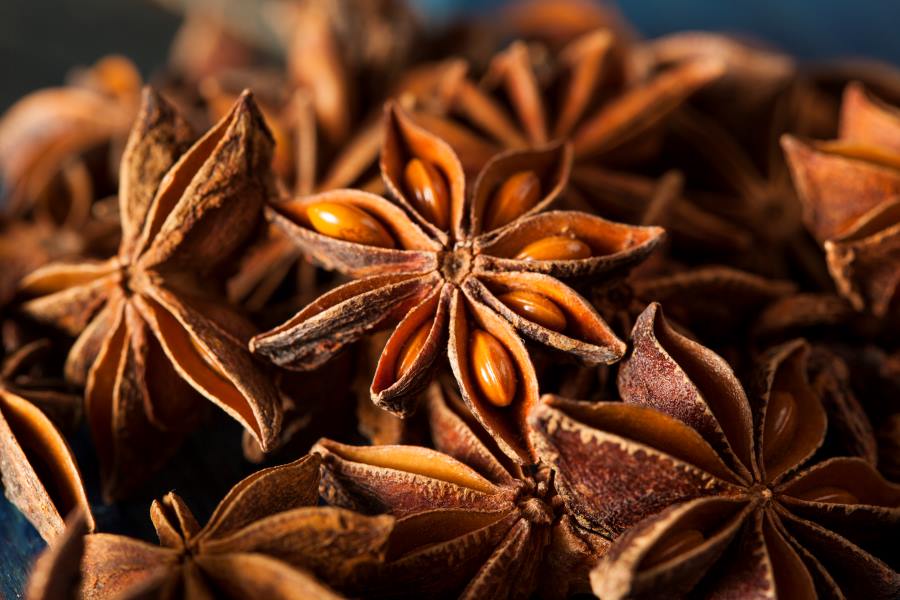
Now that one knows the health benefits of eating anise seeds, he/she must also know how to include them in his/her daily diet. Anise seeds have an aromatic, sweet flavour. Here are a few other ways one can include it in their daily diet.
Although there are numerous nutritional benefits of eating anise seeds, it also includes certain side effects. Here is a list of side effects that anise seeds can cause.
Besides, individuals should remember that anise acts like oestrogen. Thus anyone with hormone-sensitive conditions such as uterine, ovarian, breast, or endometriosis should remember that it can worsen these conditions.
The following risks are associated with consuming too many anise seeds:
To conclude, one can derive the numerous health benefits of anise seeds if consumed in the correct proportion. A little touch of anise seeds in many Indian and Chinese dishes turns them into magic. Combine anise seeds with a healthy lifestyle and a nutritious diet, and it can do wonders to one's health.
Protect What Matters - Explore Other Insurance Options
The active ingredient in anise seeds is anethole, which provides their distinctive flavor and contributes to their medicinal properties, including antimicrobial and anti-inflammatory effects.
Anise seeds improve digestion, relieve menstrual pain, support respiratory health, and balance hormones. They also offer antioxidant properties and may help with insomnia and oral hygiene.
The botanical name of anise is Pimpinella anisum. It belongs to the Apiaceae family, including plants like celery and carrots.
Yes, Anise seeds are generally safe for kidney health in moderate amounts. They may support overall health but should be consumed cautiously by individuals with kidney conditions.
Another name for anise is Pimpinella anisum. It's also known as aniseed and is distinct from star anise, which comes from a different plant.
Anise is commonly used to flavor foods and drinks, aid digestion, relieve coughs, and treat menstrual issues. It's also used in traditional medicine for various health benefits.
Anise seeds originate from the Mediterranean region and have been used since ancient times in cooking and medicine for their aromatic flavor and therapeutic properties.
Anise's disadvantages include potential allergic reactions, hormonal imbalances, and interactions with medications. Excessive consumption may also lead to digestive discomfort or skin irritations.
Yes, anise is beneficial for digestion. It helps alleviate bloating, gas, and constipation, stimulating appetite and soothe digestive issues.
Anise is not known to raise blood pressure. In fact, its detoxifying and anti-inflammatory properties may help regulate blood pressure and support cardiovascular health.