General
Life
Accessibility Options


General

General Products
Simple & Transparent! Policies that match all your insurance needs.
 Car Insurance
 Two Wheeler Insurance
 Commercial Vehicle Insurance
 Health Insurance
 Home Insurance
 Travel Insurance
 Business Insurance
Car Insurance
Two Wheeler Insurance
Commercial Vehicle Insurance
Health Insurance
Travel Insurance
Business Insurance
Car Insurance
Two Wheeler Insurance
Commercial Vehicle Insurance
Health Insurance
Travel Insurance



Scan to download

Life

Life Products
Digit Life is here! To help you save & secure your loved ones' future in the most simplified way.
 Term Life
 Savings Plan
 Retirement and Pension Plans
 Group Life Products
 Product Documents
Term Life
Savings Plan
Group Life Products
Product Documents
Term Life
Savings Plan
Group Life Products

Scan to download

Claims

Claims
We'll be there! Whenever and however you'll need us.
 Customer Support
 Motor Claims
Health Claims
Motor Claims
Health Claims
 Marine Insurance
 Grievance Redressal
Customer Support
Motor Claims
Health Claims
Marine Insurance
Grievance Redressal
Grievance Redressal
Customer Support
Motor Claims
Health Claims
Marine Insurance
Grievance Redressal

Scan to download
 General
 Life
General
Life
Life
General
Life
Renewals
Resources

Resources
All the more reasons to feel the Digit simplicity in your life!
Exclusive Features
 Transparency Report
Others
Exclusive Features
Transparency Report
Transparency Report
Others
Exclusive Features
Transparency Report

Scan to download


Our WhatsApp number cannot be used for calls. This is a chat only number.

 Grey Scale
 Readable Text
 Reset
Reset




The human body needs nourishment in a balanced manner to carry out all its biological processes optimally. The micro and macronutrients one needs are not naturally synthesised inside the human body. Hence, your diet plays a significant role in this scenario. The nutritional problems in India mainly arise when there is a lack of essential nutrients within the human body.
If you are worried about common nutritional problems, don't fret. Keep reading to learn all you need.

Table of Contents

A nutritional problem or deficiency occurs when an individual's body experiences a shortage of essential nutrients or some specific nutrient. Such problems can lead to several health issues, such as anaemia. However, consuming a balanced diet can prevent these problems.

Nutritional problems or deficiencies occur when an individual's nutrient intake drops consistently below the recommended level. Now, depending on the cause, the nutritional problems in India can be categorised into two classes. These are illustrated below:
This deficiency occurs when an individual lacks specific essential nutrients. Consuming proper foods or supplements can resolve this condition. Usually, this form of insufficiency can stem from poor dietary habits, inadequate food supply for the body, economic factors and lack of information on nutritious foods.
Among populations with limited access to fresh fruits and vegetables, there are often vitamin deficiencies. Addressing primary nutritional deficiencies typically involves dietary improvements to include a variety of foods from all food groups and emphasising nutrient-dense options. Moreover taking some supplements may also be necessary when changing only the diet does not work.
Secondary deficiencies take place because of limited nutrient absorption due to the presence of a medical illness. This form of insufficiency is usually caused by an underlying medical condition, taking certain drugs, surgical interventions, persistent alcoholism and age-related alterations in the digestive system.
Management of secondary deficiencies involves treating underpinning conditions that cause them. It also involves dietary modifications and sometimes intravenous provision of nutrients for extreme cases. Through addressing causative factors and providing appropriate nutritional care, secondary nutritional deficits can be minimised.
Some of the medical issues for this include cystic fibrosis, lactose intolerance, celiac disease, pernicious anaemia and pancreatic insufficiency. Malnutrition arising from this deficiency can be more challenging to treat than the primary deficiency.
The symptoms associated with nutritional problems in India depend on the type of nutrient the body lacks. Listed below are the general symptoms that an individual facing nutritional deficiency can experience:
Stay on Track with These Health Tools

India has to grapple with significant nutritional challenges due to economic, cultural, and environmental factors. Given below are some common nutritional problems in India resulting from these factors:
Vitamin D is an essential nutrient for maintaining bone health. It is also known to be responsible for the prevention of certain types of cancers. The symptoms of the deficiency of this vitamin include pain in the bones, fatigue, muscle aches and besides these, the individual might also experience weakness.
Long-term deficiencies of this nutrient would result in the softening of bones, autoimmune disorders and cancers.
Proteins are considered the body’s building blocks. These nutrients are essential when it comes to maintaining muscle mass. Protein-energy undernutrition (formerly known as protein-energy malnutrition) is found in children with seriously low nutrient intake in their growing years. It is also found in older individuals who suffer from anorexia, prolonged periods of starvation or fasting, depression, and limited intake of proper nutritious food.
When it comes to children, there are two commonly found types of protein-energy malnutrition, namely marasmus and kwashiorkor.
Kwashiorkor results in the loss of weight because of having a diet that is predominant in carbohydrates but deficient in proteins.
Marasmus, on the other hand, leads to loss of weight due to a drop in muscle and fat mass in the body.
Iron is a vital micronutrient essential for several body functions like cognitive function, oxygen transport, immune function, differentiation and growth of cells, physical and mental growth. Deficiency in iron because of either pathological or physiological reasons causes anaemia.
As per the World Health Organisation, anaemia is still one of the major health conditions occurring because of a shortage in the intake of minerals and vitamins. This condition is characterised by a low concentration of haemoglobin.
This vitamin is essential when it comes to the generation of energy during the metabolism of fat, carbohydrate, and protein, maintaining a healthy nervous system, and producing red blood cells.
Several studies have shown that the deficiency of this vitamin in Indian individuals exists around 70% to 100%. The deficiency of this nutrient might result in Crohn's disease, celiac disease, parasite infestation, and atrophic gastritis, which involves the thinning of the abdominal lining, pernicious anaemia where a lowered absorption of this vitamin occurs, and megaloblastic anaemia.
Iodine is essential for the synthesis of thyroid hormone, which is vital for growth, repair and the regulation of metabolic changes. The deficiency of this nutrient can result in mental retardation and growth abnormalities in children.
This fat-soluble vitamin is important for healthy eyesight and immune function. The deficiency of this nutrient can lead to blindness and immunity suppression, making one vulnerable to infections.
Folate, which is a naturally existing form of vitamin B9, is a building block of cells and is vital when it comes to the formation of RNA and DNA. It is an important nutrient for pregnant women because of its role in preventing congenital disabilities such as spina bifida in newborn babies.
On the other hand, the deficiency of this nutrient is also a common nutritional problem for adolescents. Mouth sores, greying of hair, swelling of tongue and fatigue are some of the issues which can arise because of folate deficiency.
Vitamin C is an essential nutrient responsible for healthy skin and strong immunity. Damaged and dry skin, wounds healing slowly and easy bruising are some of the problems which can arise because of the deficiency of this vitamin.
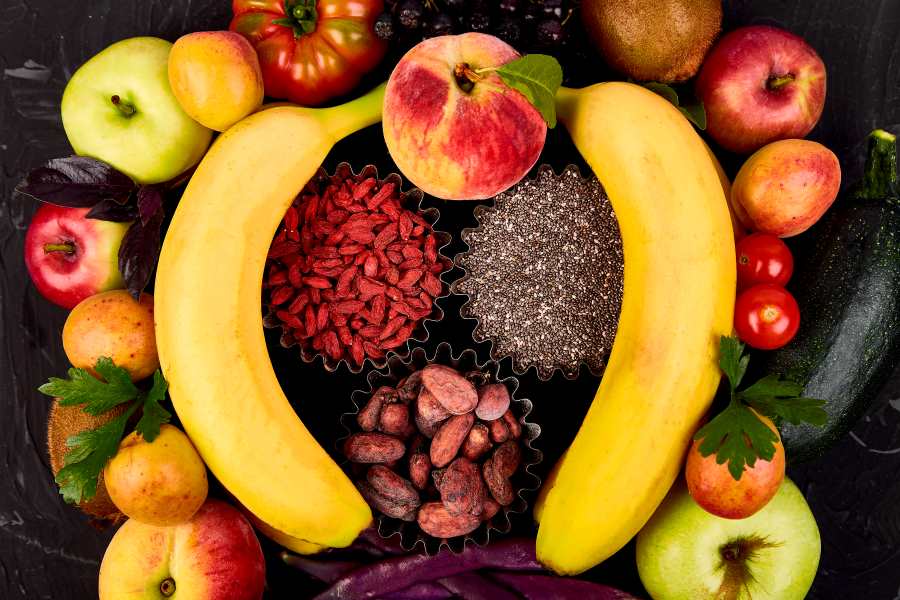
A majority of the health issues occurring because of nutritional problems in India stop after the deficiency is resolved. But in some of the cases, there might be lasting damage. This generally takes place only when the deficiency has been extreme and is going for an extended period of time.
For instance, a prolonged deficiency of the nutrient thiamine can be linked with depression or stunted growth.
The deficiencies of micronutrients have continued to be a highly significant matter concerning public health in India. Therefore, in order to combat malnutrition and hence nutritional problems in India, the Indian Government has taken initiatives in the form of policy measures, missions, plans and programmes.
Some of them are listed below:
However, several major nutritional problems in India exist even today, and the Government is making continuous efforts to deal with them.
On an individual level, for overcoming nutritional problems in India, one needs to have a well-balanced diet containing nutrients in recommended proportions. If someone is deficient in a particular nutrient, he or she must consume foods rich in that specific nutrient.
| Nutrients | Food sources |
| Proteins | Chicken, milk, eggs, pulses, tofu, Greek yoghurt, lean beef, quinoa, lentils, almonds, cottage cheese |
| Vitamin D | Exposure to sunlight, egg yolk, fortified foods, fish, cod liver oil, fortified orange juice, mushrooms, fortified cereals |
| Vitamin B12 | Shellfish, salmon, liver, trout, beef, fortified cereals, tuna, sardines, dairy products (milk, cheese, yoghurt), eggs |
| Folate | Citrus fruits, peas, tomato juice, leafy green vegetables, asparagus, brussels sprouts, beans, avocado, beets, fortified grains |
| Vitamin A | Grapefruit, cantaloupe, pumpkins, carrots, sweet potatoes, spinach, kale, apricots, red bell peppers, mangoes |
| Iron | Organ meat, shellfish, red meat, kidney beans, lentils, spinach, tofu, chickpeas, fortified cereals, quinoa, pumpkin seeds, dark chocolate |
| Iodine | Egg dairy, fish, seaweed, iodized salt, shrimp, prunes, lima beans, cranberries, turkey |
Malnutrition is a complex issue in India, affecting macro and micronutrient deficiencies. A multi-dimensional approach is required to address this issue and improve the nutrition status among the population. Some such strategies include:
Enhancing PDS and other existing programs to ensure the availability of affordable, nutritious staples like wheat, rice and pulses.
Mission Poshan 2.0’s Poshan Abhiyan is one example of a food that provides essential micronutrients like iron and folic acid to pregnant women and young children.
It will also require enhancing healthcare facilities, especially in rural areas, to detect and manage malnutrition on time, including training healthcare providers.
Creating awareness through public education campaigns and mass media on balanced dieting, emphasising locally available seasonal fruits and vegetables.
Encouraging households, especially in rural areas, to grow vegetables, fruits, and herbs in kitchen gardens enhances fresh food availability.
Providing support for income-generating activities among underprivileged communities increases financial resources for purchasing more nutritious food.
Encouraging farmers to plant a range of crops, such as millets and ethnic varieties, that help improve dietary diversification and nutrient density.
Adopting approaches that minimise food wastage at every stage, from production through consumption, leads to efficient utilisation of available resources.
Protect What Matters - Explore Other Insurance Options
Some of the most debilitating nutritional problems are: