General
Life
Accessibility Options


General

General Products
Simple & Transparent! Policies that match all your insurance needs.
 Car Insurance
 Two Wheeler Insurance
 Commercial Vehicle Insurance
 Health Insurance
 Home Insurance
 Travel Insurance
 Business Insurance
Car Insurance
Two Wheeler Insurance
Commercial Vehicle Insurance
Health Insurance
Travel Insurance
Business Insurance
Car Insurance
Two Wheeler Insurance
Commercial Vehicle Insurance
Health Insurance
Travel Insurance


Scan to download
Life

Life Products
Digit Life is here! To help you save & secure your loved ones' future in the most simplified way.
 Term Life
 Savings Plan
 Retirement and Pension Plans
 Group Life Products
 Product Documents
Term Life
Savings Plan
Retirement and Pension Plans
Group Life Products
Product Documents
Term Life
Savings Plan
Retirement and Pension Plans
Group Life Products
Scan to download
Claims
Claims
We'll be there! Whenever and however you'll need us.
 Customer Support
 Motor Claims
Health Claims
Motor Claims
Health Claims
 Marine Insurance
 Grievance Redressal
Customer Support
Motor Claims
Health Claims
Marine Insurance
Grievance Redressal
Grievance Redressal
Customer Support
Motor Claims
Health Claims
Marine Insurance
Grievance Redressal
Scan to download
 General
 Life
General
Life
Life
General
Life
Renewals
Resources
Resources
All the more reasons to feel the Digit simplicity in your life!
Exclusive Features
 Transparency Report
Others
Exclusive Features
Transparency Report
Transparency Report
Others
Exclusive Features
Transparency Report
Scan to download


Our WhatsApp number cannot be used for calls. This is a chat only number.

 Grey Scale
 Readable Text
 Reset
Reset



8 Crore+ Customers

Affordable Premium


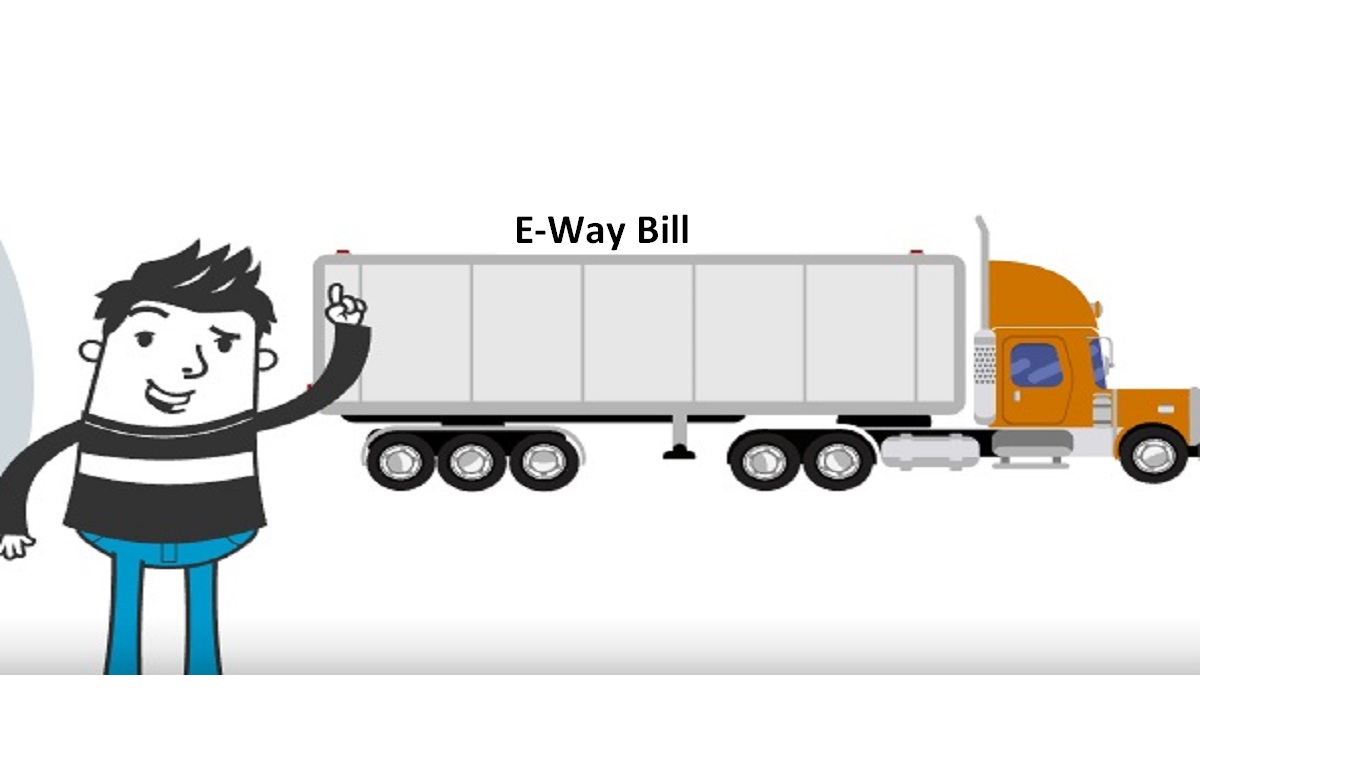
The government introduced the e-Way Bill system to simplify the GST compliance method. However, a user can register on the official portal of the e-Way Bill portal with their GST Number – GSTIN. In this regard, there are also multiple types of users on this EWB portal, like recipients, suppliers, or transporters.
However, regardless of the user, they must create a mandatory account on the EWB portal. After that, you have to login to the e-Way bill system to generate the Bill.
From 1 April 2025, Two-Factor Authentication (2FA / MFA) is mandatory for login to the e-Way Bill Portal.
An e-Way bill or Electronic Way bill is used for the movement of goods. This Bill can be generated on the e-Way Bill Portal.
A person registered under GST must generate an e-Way Bill if the value of goods exceeds ₹ 50,000 per invoice/consignment or in aggregate per conveyance. The older simplified line “less than ₹ 50,000 does not require” has been replaced with this aggregation rule.
In special cases (like interstate movement for job work or handicraft goods), e-Way Bill is mandatory even if the value is below ₹ 50,000.
Goods under Chapter 71 (gold, silver, precious stones, jewellery etc.) are exempt from e-Way Bill requirement (except imitation jewellery - HSN 7117). Also, voluntary generation of e-Way Bills for these goods is no longer allowed.
After generating the e-Way Bill, the EBN is provided and is available for transporters, recipients, and suppliers.
There are only two prerequisites for e-Way bill login. These include the GSTIN of the registered transporter/taxpayer. Also, you will need your registered mobile number that is registered with the GST system.
The steps for e-Way bill system login from the e-Way Bill Portal are as follows:
Step 1: Visit the official website of the EWB portal.
Step 2: Enter the login details. Enter your username and password in the required box.
Step 3: Then enter the captcha and click on ‘Login’ to log in for the e-Way Bill.
Regardless, if you still need to register, you can also do it through the official website.
A step-by-step guide on the registration process on the e-Way Bill portal is as follows:
Step 1: Visit the official portal of the e-Way Bill.
Step 2: Click on ‘Registration’ at the top dashboard and then click on ‘e-Way Bill Registration.
Step 3: After that, enter the GSTIN number and provide the 'Captcha’. Then click ‘Go’.
Step 4: Generate an OTP and then verify it on the next screen.
You will notice that the details you provided are already auto-filled. However, if you encounter any incorrect details, you can correct those at 'Update from GST Common Portal. After this process, you can generate OTP and verify it accordingly.
Step 5: Then, enter your User ID, and secure your account with a strong password.
An e-Way Bill is primarily necessary for three types of individuals:
Hence, an e-Way bill is essential to the documentation if you are into transportation. Also, in this regard, there might be a few cases where you don't need to login to the e-Way bill system to generate the Bill. For example, goods that are transported under the supervision of customs or under customs seal are excluded.
The e-Way Bill system continues to be a critical part of GST compliance in India, but several new updates in 2025 have made the process more secure and streamlined. With mandatory 2FA/MFA from April 2025, document age restrictions (180 days), and a validity cap of 360 days, businesses and transporters need to carefully plan their compliance to avoid penalties.
No. You can transport goods to and from Nepal and Bhutan without an e-Way Bill.