General
Life
Accessibility Options


General

General Products
Simple & Transparent! Policies that match all your insurance needs.
 Car Insurance
 Two Wheeler Insurance
 Commercial Vehicle Insurance
 Health Insurance
 Home Insurance
 Travel Insurance
 Business Insurance
Car Insurance
Two Wheeler Insurance
Commercial Vehicle Insurance
Health Insurance
Travel Insurance
Business Insurance
Car Insurance
Two Wheeler Insurance
Commercial Vehicle Insurance
Health Insurance
Travel Insurance


Scan to download

Life

Life Products
Digit Life is here! To help you save & secure your loved ones' future in the most simplified way.
 Term Life
 Savings Plan
 Retirement and Pension Plans
 Group Life Products
 Product Documents
Term Life
Savings Plan
Retirement and Pension Plans
Group Life Products
Product Documents
Term Life
Savings Plan
Retirement and Pension Plans
Group Life Products
Scan to download

Claims
Claims
We'll be there! Whenever and however you'll need us.
 Customer Support
 Motor Claims
Health Claims
Motor Claims
Health Claims
 Marine Insurance
 Grievance Redressal
Customer Support
Motor Claims
Health Claims
Marine Insurance
Grievance Redressal
Grievance Redressal
Customer Support
Motor Claims
Health Claims
Marine Insurance
Grievance Redressal
Scan to download
 General
 Life
General
Life
Life
General
Life
Renewals
Resources
Resources
All the more reasons to feel the Digit simplicity in your life!
Exclusive Features
 Transparency Report
Others
Exclusive Features
Transparency Report
Transparency Report
Others
Exclusive Features
Transparency Report
Scan to download


Our WhatsApp number cannot be used for calls. This is a chat only number.

 Grey Scale
 Readable Text
 Reset
Reset




10000+ Cashless Garages
7 Cr+ Policies Sold

Check Price
Bike insurance Online, starting ₹752
It's a brand new Bike
If you are planning to buy a two-wheeler for your daily commute and are unsure whether to choose a scooter or a motorcycle, you're not alone. It is one of the most common questions among Indian buyers, especially first-time riders.
Over the years, both scooters and motorcycles have evolved significantly. Modern scooters now offer features such as Bluetooth connectivity, navigation assistance, traction control, keyless ignition and fuel-efficient engines. Similarly, motorcycles have become more practical, comfortable and mileage-friendly, making the choice more challenging than ever.
When you buy a bike or scooter in India, it is crucial to secure it with two-wheeler insurance, as mandated by the Motor Vehicles Act of 1988. It provides financial protection against accidents, theft and damage, safeguarding you and your investment.
Having two-wheeler insurance also saves you from hefty traffic fines, license suspension and even legal trouble.

Table of Contents

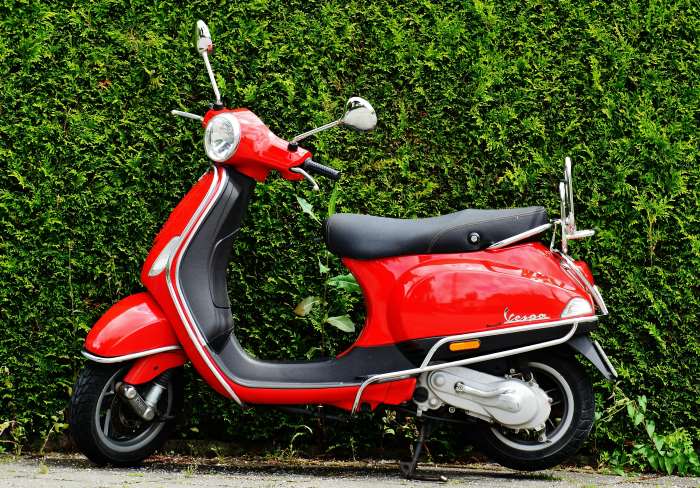
While motorcycles offer several advantages, scooters are often the preferred choice for urban riders, students, office-goers and families.
Scooters are generally lighter than motorcycles, making them easier to ride through traffic, U-turns and crowded streets. Their manageable weight also boosts rider confidence.
Thanks to their automatic transmission, scooters are easy to learn and require minimal riding experience. Riders can focus on traffic instead of gear shifts.
Frequent stops and starts are common in urban traffic. A scooter's gearless operation and compact design make city commuting far less stressful.
One of the biggest advantages of scooters is their under-seat storage. Many models can accommodate a helmet, documents, groceries or daily essentials without requiring additional luggage accessories.
The step-through design allows riders to mount and dismount easily. This feature is particularly useful for riders who frequently travel short distances throughout the day.
Due to their compact dimensions, scooters fit into tight parking spaces more easily than motorcycles.
Most scooters are affordable to maintain and repair. Their simple mechanical setup generally results in lower ownership costs.
Scooters offer a flat floorboard that makes carrying bags, groceries and personal belongings more convenient. This practicality makes them popular among families.
If sustainability and fuel savings are priorities, electric scooters provide an attractive alternative. Models from brands such as Ather, TVS, Bajaj and Ola have expanded the options available for urban commuters.
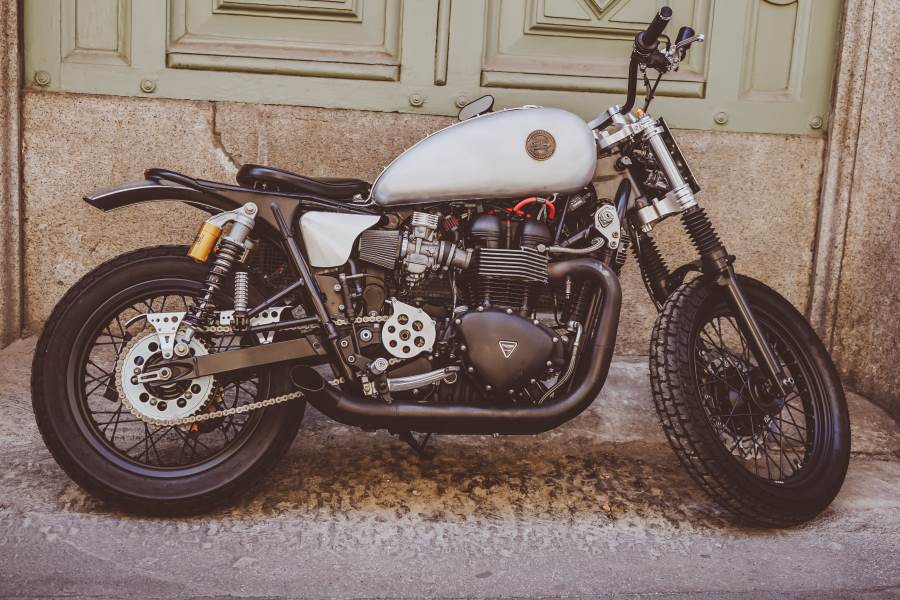
Motorcycles are often the better choice for riders seeking performance, comfort over long distances and greater versatility.
Many commuter motorcycles offer exceptional mileage despite their larger size. Models in the 100 cc to 125 cc category are particularly fuel-efficient.
Bikes are designed for longer journeys. Their larger fuel tanks, comfortable riding posture and stable chassis make highway travel easier.
Motorcycles usually feature larger wheels, superior suspension systems and longer wheelbases. These elements improve stability on uneven roads and at higher speeds.
A larger engine allows motorcycles to accelerate faster and carry additional weight more comfortably. This can be useful for riders who frequently travel with a pillion passenger or luggage.
For highway riding, overtaking and maintaining cruising speeds, motorcycles generally outperform scooters.
The Indian motorcycle market spans commuter bikes, adventure motorcycles, cruisers, touring bikes and sports bikes, giving buyers more options based on their lifestyle.
Motorcycles typically handle luggage, pillion riders and challenging road conditions more effectively than scooters.
Popular commuter motorcycles often retain strong resale value due to consistent demand in the used vehicle market.
Modern motorcycles increasingly include features such as ABS, traction control, riding modes, smartphone connectivity, navigation support and advanced instrument clusters.
Whether you choose a scooter or a motorcycle, safe riding habits are essential.
Both scooters and motorcycles have distinct advantages, and the right choice depends on your riding needs. If your daily routine involves city commuting, frequent traffic and short trips, a scooter offers convenience, practicality and ease of use. On the other hand, if you travel longer distances, frequently use highways or prioritise performance and stability, a motorcycle may be the better option.
Ultimately, there is no universally better choice. Understanding your budget, riding habits, road conditions and comfort requirements will help you select the two-wheeler that best fits your lifestyle.
Also, it is advisable to protect your vehicle with a third-party two-wheeler insurance policy, as it is mandated by law. It will cover any damage or losses your vehicle could cause to a third-party person or property in any unforeseen mishap.