General
Life
Accessibility Options


General

General Products
Simple & Transparent! Policies that match all your insurance needs.
 Car Insurance
 Two Wheeler Insurance
 Commercial Vehicle Insurance
 Health Insurance
 Home Insurance
 Travel Insurance
 Business Insurance
Car Insurance
Two Wheeler Insurance
Commercial Vehicle Insurance
Health Insurance
Travel Insurance
Business Insurance
Car Insurance
Two Wheeler Insurance
Commercial Vehicle Insurance
Health Insurance
Travel Insurance



Scan to download

Life

Life Products
Digit Life is here! To help you save & secure your loved ones' future in the most simplified way.
 Term Life
 Savings Plan
 Retirement and Pension Plans
 Group Life Products
 Product Documents
Term Life
Savings Plan
Retirement and Pension Plans
Group Life Products
Product Documents
Term Life
Savings Plan
Retirement and Pension Plans
Group Life Products

Scan to download

Claims

Claims
We'll be there! Whenever and however you'll need us.
 Customer Support
 Motor Claims
Health Claims
Motor Claims
Health Claims
 Marine Insurance
 Grievance Redressal
Customer Support
Motor Claims
Health Claims
Marine Insurance
Grievance Redressal
Grievance Redressal
Customer Support
Motor Claims
Health Claims
Marine Insurance
Grievance Redressal
Scan to download
 General
 Life
General
Life
Life
General
Life
Renewals
Resources

Resources
All the more reasons to feel the Digit simplicity in your life!
Exclusive Features
 Transparency Report
Others
Exclusive Features
Transparency Report
Transparency Report
Others
Exclusive Features
Transparency Report
Scan to download


Our WhatsApp number cannot be used for calls. This is a chat only number.

 Grey Scale
 Readable Text
 Reset
Reset




10000+ Cashless Garages
1.5 Cr+ Policies Sold


Check Price

Car insurance Online, Up to 90% Discount
It's a Brand New Car
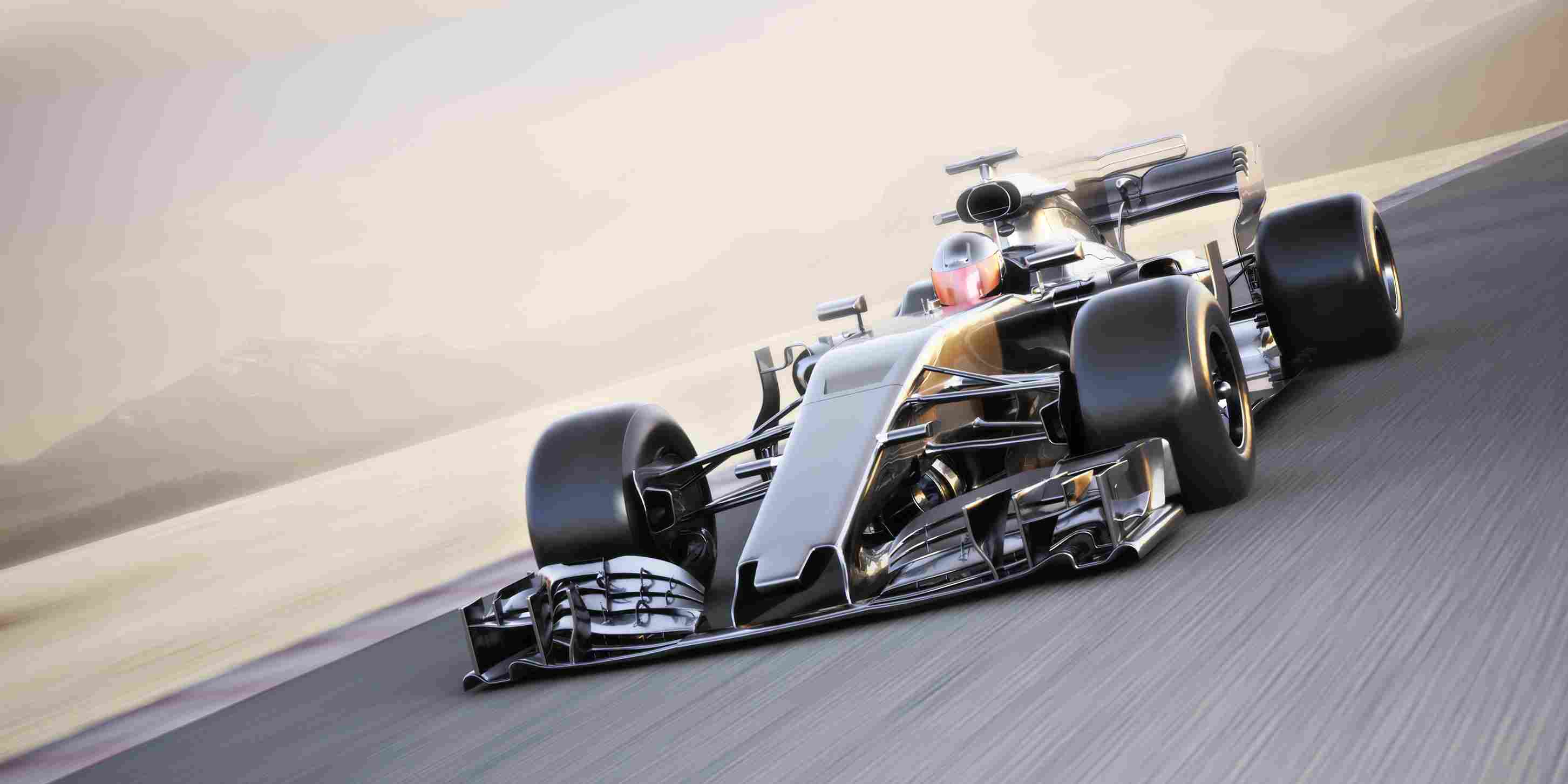
DRS, or Drag Reduction System, was first introduced in 2011 to the rear wing of Formula 1 cars. The purpose was to promote overtaking during a grand prix. Also, it aids in mitigating the effects of driving in dirty air.
This system is quite a controversial driver-operated device that helps overtake while increasing the chances of wheel-to-wheel racing in F1 cars. There have been debates about whether or not it should be removed from racing sport. However, it will remain operational in 2023.
Learn more about what DRS is in F1 and how it works in detail.

Table of Contents

DRS works in F1 cars by opening up a space in the rear wing. This, in turn, decreases the aerodynamic drag and increases the straight-line speed of a car.
Formula 1 wing consists of horizontal elements, which include the main plane and a flap. Once activated, DRS allows the wing flaps to lift to a height of up to 50mm. This helps in reducing downforce and drag.
The DRS system is used primarily to aid overtaking, allowing drivers to increase straight-line speed. Drivers dump rear wing drag via a detachable slot while a car runs within one second in front of the other.
In Formula 1, aerodynamic downforce maximises a car's performance through corners. However, this downforce also creates significant drag, limiting top speeds on straight sections of the track.
DRS counteracts this effect and promotes exciting racing by reducing drag and increasing top speeds during specific situations.
By using DRS, a car has a better chance of closing the gap to the car ahead and attempting a pass during straight portions of a track. The reduction in drag provided by DRS enables the pursuing car to gain a speed advantage, making overtaking manoeuvres more feasible.
Once the overtaking manoeuvre is completed or if pursuing car exits the DRS zone, the rear wing returns to its regular position.
When a pursuing car is within one second of the car ahead at specific sections of DRS zones, the driver of the pursuing car can activate the DRS. This is typically signalled by a light on the car's steering.
Once activated, the rear wing's angle is adjusted, reducing its angle of attack. This alteration decreases the downforce generated by the rear wing and consequently minimises the drag experienced by the car.
By reducing drag, the DRS system enables the pursuing car to achieve higher straight-line speeds. This speed advantage allows the driver to close the gap to the car ahead and attempt an overtaking manoeuvre.
Once the driver lifts off the DRS activation button or applies the brakes, the rear wing returns to its normal position, restoring the downforce and stability of the car.
FIA (Fédération Internationale de l'Automobile) determines the placement of DRS Zones based on factors such as the layout and characteristics of the track. Typically, a racetrack would have one or two DRS zones strategically positioned along the longest straight sections to maximise the potential for overtaking manoeuvres.
Number of DRS zones on a Formula One track varies from circuit to circuit. Most tracks have two DRS zones, but some have three. The longest DRS zone in Formula One is on the Bahrain International Circuit, which is 1.1 kilometres long.
DRS zones are activated when a driver is within one second of the car in front and specific areas of the track. These areas are typically long straights, where the cars can reach their top speeds. DRS zones stay inactivated if a safety car is on track or the race is under red-flag conditions.
In 2023, the number of DRS zones on some tracks was adjusted. For example, the DRS zones on the Melbourne Grand Prix circuit have been reduced from four to three. The FIA felt that the four DRS zones made overtaking too easy on this circuit.
Drivers can make adjustments to the rear wing to gain an aerodynamic advantage when in the DRS-activated zone. Here are some pointers on what drivers can do with DRS:
One of the primary benefits of the Drag Reduction System (DRS) in Formula 1 is the ability for drivers to increase their straight-line speed. When activated, the DRS adjusts the car's rear wing, reducing drag and allowing the driver to achieve higher speeds on the straights. This increased speed can be crucial for overtaking opponents or defending a position.
DRS plays a vital role in enhancing overtaking opportunities during a race. The system is typically enabled in designated zones on the track, known as DRS zones, where drivers can deploy the DRS to gain an advantage while attempting to overtake another car.
By reducing the drag and increasing their speed, drivers can close the gap to the car in front and execute a successful overtaking manoeuvre.
DRS is not only useful for attacking but also for defending positions on the track. If a driver is under threat from a car behind, they can strategically activate their DRS in response to the pursuing car's attempt to overtake.
By using the DRS to increase their straight-line speed, the defending driver can make it more challenging for the car behind to pass, potentially maintaining their position or forcing the pursuing driver into a disadvantageous position.
In addition to its role in overtaking and defending, DRS can also be utilised as a strategic tool for managing tyre wear and fuel consumption. By using DRS to increase straight-line speed, drivers can reduce the time spent on a particular section of the track, leading to less stress on the tires and extending their lifespan.
Furthermore, the increased speed achieved through DRS can aid in fuel efficiency, allowing drivers to save fuel and adopt alternative pit stop strategies during a race.
Here are some advantages of using DRS in Formula 1:
DRS has been credited with increasing overtakes in Formula 1 races. This is because DRS gives drivers a speed advantage over the car in front, which makes it easier for them to make a pass.
DRS also helps reduce dirty air, a major obstacle to overtaking in Formula 1. Dirty air is the turbulent air created by the car in front. This air can make it difficult for the following car to follow closely, as the turbulent air can disrupt the following car's airflow and downforce.
DRS helps to reduce the dirty air effect by opening the rear wing, which reduces the amount of drag on the following car.
DRS is not only beneficial for overtaking; it also aids in defending positions. When a driver is threatened by a pursuing car, they can use DRS to increase their straight-line speed and make it harder for the opponent to pass.
By utilising the system effectively, drivers can maintain their position and defend against overtakes, showcasing their skill and strategic prowess.
DRS can also help to increase fairness in Formula 1 races. DRS allows all drivers to use it, regardless of their car's performance. Previously, some cars were simply better at overtaking than others. However, DRS helps level the playing field, as all cars can benefit from it.
DRS has also led to increased technological development in Formula 1. Teams have been working to develop more efficient DRS systems, improving cars' overall aerodynamics. It has made cars faster and more efficient, which has improved racing.
DRS enhances the on-track spectacle, providing fans with more exciting racing moments. The ability to witness wheel-to-wheel battles and overtaking attempts creates thrilling moments of action and unpredictability.
DRS zones become hotspots for excitement as drivers jockey for position, utilising the system to gain an advantage or fend off their rivals.
Now that you have learned about the advantages and more about DRS in F1 take a look at some of these disadvantages. Although the number of advantages outweighs the drawbacks, you should be aware of all sides of technology:
DRS can make overtaking too easy, giving drivers a significant speed advantage over the car in front. This can reduce the skill element of overtaking, as drivers no longer need to be as precise in their driving to make a pass.
DRS can make races too predictable, as drivers know that they can use DRS to make a pass on straights. This can lead to races where the same drivers are always at the front, as they can best use DRS effectively.
This piece discusses in detail what DRS is in F1, its benefits, drawbacks and more.
DRS is a complex system with positive and negative effects on Formula One racing. The DRS will likely continue to be a debated topic in the future.