General
Life
Accessibility Options


General

General Products
Simple & Transparent! Policies that match all your insurance needs.
 Car Insurance
 Two Wheeler Insurance
 Commercial Vehicle Insurance
 Health Insurance
 Home Insurance
 Travel Insurance
 Business Insurance
Car Insurance
Two Wheeler Insurance
Commercial Vehicle Insurance
Health Insurance
Travel Insurance
Business Insurance
Car Insurance
Two Wheeler Insurance
Commercial Vehicle Insurance
Health Insurance
Travel Insurance



Scan to download

Life

Life Products
Digit Life is here! To help you save & secure your loved ones' future in the most simplified way.
 Term Life
 Savings Plan
 Retirement and Pension Plans
 Group Life Products
 Product Documents
Term Life
Savings Plan
Group Life Products
Product Documents
Term Life
Savings Plan
Group Life Products

Scan to download

Claims

Claims
We'll be there! Whenever and however you'll need us.
 Customer Support
 Motor Claims
Health Claims
Motor Claims
Health Claims
 Marine Insurance
 Grievance Redressal
Customer Support
Motor Claims
Health Claims
Marine Insurance
Grievance Redressal
Grievance Redressal
Customer Support
Motor Claims
Health Claims
Marine Insurance
Grievance Redressal

Scan to download
 General
 Life
General
Life
Life
General
Life
Renewals
Resources

Resources
All the more reasons to feel the Digit simplicity in your life!
Exclusive Features
 Transparency Report
Others
Exclusive Features
Transparency Report
Transparency Report
Others
Exclusive Features
Transparency Report

Scan to download


Our WhatsApp number cannot be used for calls. This is a chat only number.

 Grey Scale
 Readable Text
 Reset
Reset




Galangal is a root that resembles turmeric and ginger. Not only do they look alike, but their usage is similar as well. You can eat a galangal raw or cooked just as you do for ginger and turmeric. This spice typically grows in the South Asian region.
From medicinal to culinary, there are plenty of benefits of galangal. This spice can cure certain ailments, infections, and inflammation, improve sperm count, and even help fight some types of cancer. So let's find out more about this exotic spice.

Table of Contents

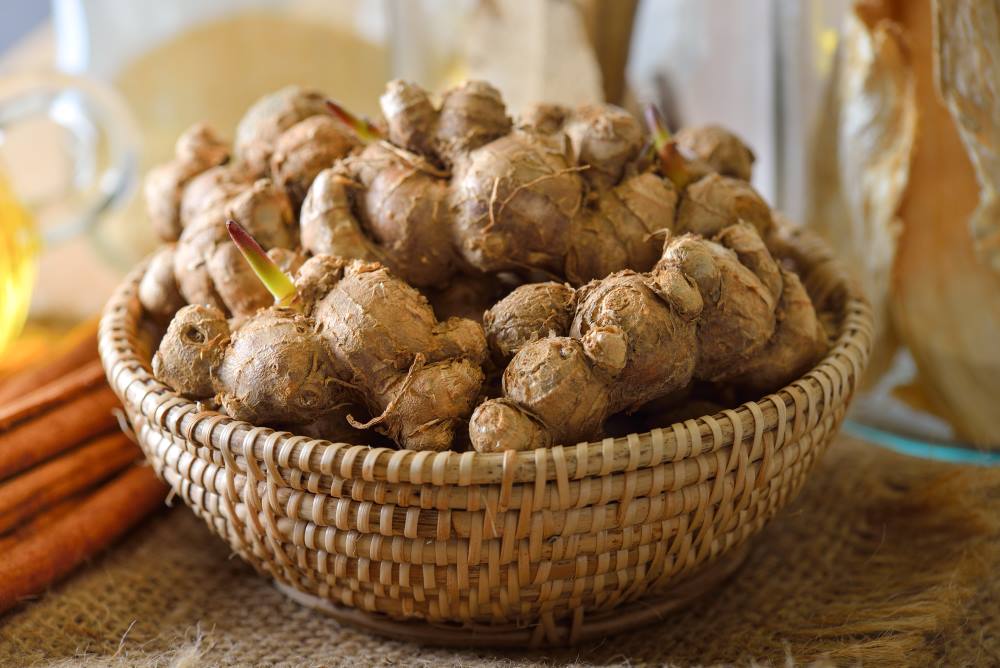
Previously, galangal was used as a medicine to treat many diseases, and even today, these are supported by modern scientific studies. In addition, it is an essential ingredient in Chinese, Indonesian, Thai, and Malaysian cuisines. Some of the benefits of this exotic spice are as follows:
Eating galangal improves blood circulation; hence, fresh antioxidants flow. These prevent vital toxin build-up, which eventually helps fight health issues like the common cold, allergies, asthma, and many more. Galangal is also a great source of Vitamin C that can boost your body’s defense mechanisms.
The anti-inflammatory properties of Galangal are due to the richness of vitamin C. In addition, there exist certain amino acids that help build healthy skin. Thus, suppressing any skin inflammation, redness, or swelling. Likewise, the flavonoid in galangal removes acne marks, scars, and dark spots.
One of the prominent health benefits of galangal is its immunity booster capability. Galangal can uplift immunity with abundant vitamin C content and other important antioxidants. When someone falls sick and the organs fail to perform optimally, consuming galangal in such situations through curries and soup can restore those essential nutrients.
To maintain a healthy and fully functioning kidney, it is necessary to filter out the toxic waste that we accumulate after digestion. This also relieves intestinal conditions like constipation. Constipation is one of the most common ailments. Galangal is rich in dietary fibres, which ensure regular bowel movements.
Galangal also contains calcium; thus, one can intensify bone density by ingesting galangal. Those who find obstructions to having flexible body movements can try incorporating galangal into their diet. Moreover, the potassium content in this spice also compliments bone health.
Since galangal is highly effective in curing inflammation, it can reduce bone and muscle pain. In addition, the root also contains bone-strengthening minerals like calcium, phosphorus, and magnesium. Therefore, those who develop arthritis, gout, osteoporosis, or suffer from fractures can try this magical herb.
As mentioned above, galangal has anti-inflammatory properties, which are conferred by vitamin C. So, this indicates that galangal can reduce swelling in the bladder caused by UTIs. Moreover, the antioxidants present in the spice can help remove free radicals and other bacteria.
One of the many well-known benefits of galangal includes a cure for anaemia. This condition can be caused due to deficiency of iron. Someone with this disorder has inadequate red blood cells to transport nutrients and Oxygen to all cells and tissues. Iron absorption from digested food is performed by vitamin C, which can be acquired from galangal.
When there were no fancy anti-ageing creams or serums, galangal was used to get the same skin benefits. This is because it contains spermidine, a vital agent in reducing signs of ageing. You can try having a glass of galangal tea to boost collagen production, which maintains the elasticity and firmness of the skin.
Cardiac ailments like irregular heartbeats and palpitations, high blood pressure, chest pain, or coronary disease are very common these days. However, there is an organic treatment for these conditions. It can also eliminate difficulties related to the heart while performing any day-to-day activities.
It is not just the galangal roots, but its leaves also have properties that can reduce body temperature during fever. When released by rubbing on a person's body, the phytonutrients can induce instant relief by minimising body temperature and fatigue. Another benefit of consuming galangal during such situations is that it distributes excess water and salt from the body by keeping the electrolyte balanced.
The galangal leaves contain compounds like polyphenols, tannins, and quercetin. These substances can improve the immune system and liver functioning. In addition, the roots contain an immense quantity of vitamin C, which benefits the body's defense system. So, those suffering from ailments like jaundice can add galangal to their diet to support modern medicines.
Another benefit of this spice is to protect oral health. Improper nutrition coupled with the carelessness of oral hygiene can cause gum damage. Vitamin C deficiency is the major cause of such a condition. So, adding galangal to your diet is recommended and curing any such oral health issues.
The thyroid hormone can fluctuate at times, and it results in hyperthyroidism when it is out of range. Like many other nutrients, galangal contains a higher amount of iodine that can balance the spiked thyroid hormones. Moreover, zinc compounds in this root facilitate the enzyme function for thyroid concentrations.
The root of the galangal contains an abundance of pectin; these substances can clear the unwanted deposits in the arteries. Another function of this component is monitoring the LDL and HDL cholesterol levels. So, those with huge irregularities in cholesterol levels can try incorporating galangal into their diet. This is also one of the popularly known benefits of galangal.
Carotene content in galangal can promote hair strong and smoother hair growth. You can make a paste of galangal extracts and apply them if you face severe hair damage and hair fall. The plant compounds in this root enhance blood circulation and nerve functioning of the scalp. This eventually results in rapid hair growth.
The Vitamin B6 content in galangal is good for maintaining brain functions. It also allows the unobstructed condition of nerve impulses. Therefore, in conditions of disturbed sleep or insomnia, having a glass of galangal tea can lessen the neurotransmitter activities and promote proper sleep.
Galangal belongs to the Zingiberaceae family; these plant compounds contain anti-carcinogenic properties. Additionally, the Galangin flavonoids in this root can successfully fight against genotoxicity. Further studies have shown that Galangin is linked with the body's self-destruct program that kills dysfunctional cells. Thus, the flavonoid is effective against the skin, breast, pancreatic, and liver cancers.
People who suffer from motion or sea sickness and women going through morning sickness can try galangal water for relief. Although this is a popular traditional belief, modern sciences have supported this notion. If we describe this more scientifically, gingerol and other Zingiberaceae promote gastrointestinal movement and relax the muscles involved in this process, thus relieving nausea or vomiting.
Mostly in the Middle East, this root is used as an aphrodisiac. Although not much research has been conducted on this subject, one study revealed that the ethanolic extraction in galangal had shown impressive results in increasing sperm count in an animal study.
Galangal is a fragrant rhizome used in Southeast Asian cuisine for its unique, spicy flavour. There are many uses of galangal, some of which are listed below:
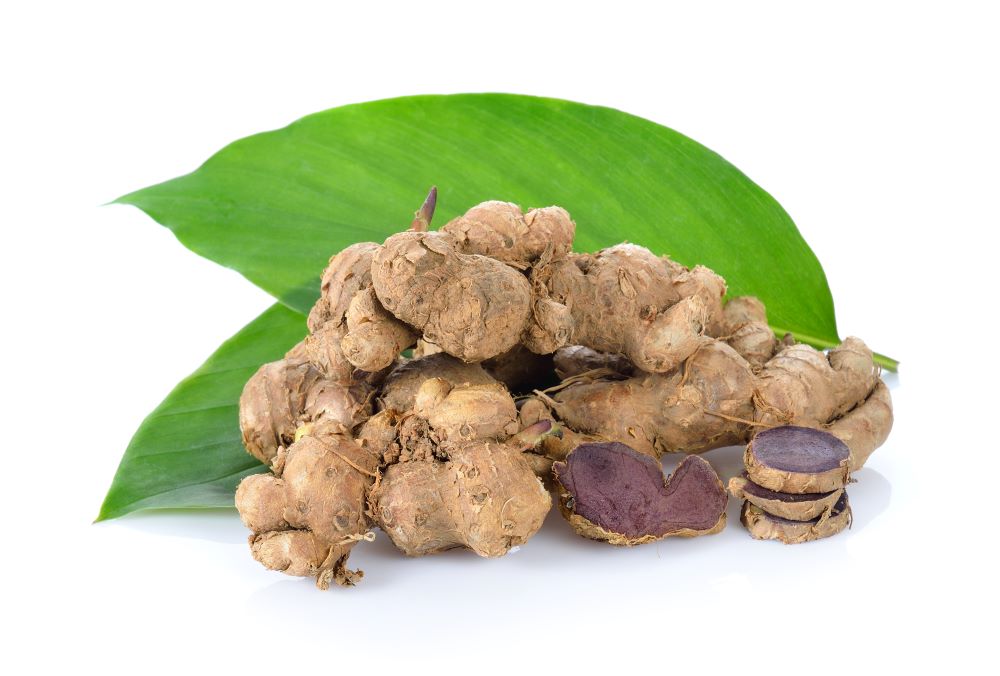
Galangal, also known as Haritaki or Terminalia chebula, is a fruit with a long history of use in traditional medicine. It is valued for its diverse health benefits and rich nutritional profile.
Check Other Important Health Metrics Now
There is very little research on galangal's side effects. However, one animal study shows that 2000 mg per kg of body weight resulted in the following conditions:
Numerous factors, including chronic fatigue syndrome, anaemia, thyroid disorders, poor sleep quality, nutritional deficiencies, or mental health issues like depression or anxiety can be caused due to Galangal use.
This may occur due to various reasons such as infections, gastrointestinal disorders, hormonal imbalances, medication side effects, psychological conditions like depression or stress, or chronic diseases.
Frequent urination, or the need to urinate excessively, can be a sign of conditions such as diabetes mellitus, urinary tract infections, bladder issues, or certain medications. It is characterised by the need to urinate more often than usual.
This symptom can result from infections (bacterial, viral, or parasitic), food intolerances, medications, stress, or gastrointestinal disorders like irritable bowel syndrome (IBS) or inflammatory bowel disease (IBD).
These are severe symptoms indicating critical health issues. A coma is a prolonged state of unconsciousness that head injuries, stroke, severe infections, metabolic disturbances, or poisoning can cause.
The only preventive method to follow while using galangal is its dosages. If it is consumed at 300 mg per kg, there will be no health issues. On the contrary, if the dosage is exceeded 2000 mg per kg, it can cause serious threats to one's health. Following are several precautions that you must take while consuming Galangal:
Galangal has numerous advantages, but it can adversely affect certain conditions. For example
Although galangal can help you recover from many ailments, it is better to consult with your physician before using it as alternative medicine.
So, to wrap up, we have learnt that galangal belongs to the same family as ginger and turmeric. This root spice is very healthy and can be easily incorporated into one's daily diet. However, regardless of the benefits of galangal, you must use it in a moderate amount to avoid any serious health conditions. Galangal offers numerous health benefits, making it a valuable addition to your diet. However, it's essential to consult with a healthcare provider before incorporating it.
Protect What Matters - Explore Other Insurance Options