General
Life
Accessibility Options


General

General Products
Simple & Transparent! Policies that match all your insurance needs.
 Car Insurance
 Two Wheeler Insurance
 Commercial Vehicle Insurance
 Health Insurance
 Home Insurance
 Travel Insurance
 Business Insurance
Car Insurance
Two Wheeler Insurance
Commercial Vehicle Insurance
Health Insurance
Travel Insurance
Business Insurance
Car Insurance
Two Wheeler Insurance
Commercial Vehicle Insurance
Health Insurance
Travel Insurance



Scan to download

Life

Life Products
Digit Life is here! To help you save & secure your loved ones' future in the most simplified way.
 Term Life
 Savings Plan
 Retirement and Pension Plans
 Group Life Products
 Product Documents
Term Life
Savings Plan
Group Life Products
Product Documents
Term Life
Savings Plan
Group Life Products

Scan to download

Claims

Claims
We'll be there! Whenever and however you'll need us.
 Customer Support
 Motor Claims
Health Claims
Motor Claims
Health Claims
 Marine Insurance
 Grievance Redressal
Customer Support
Motor Claims
Health Claims
Marine Insurance
Grievance Redressal
Grievance Redressal
Customer Support
Motor Claims
Health Claims
Marine Insurance
Grievance Redressal

Scan to download
 General
 Life
General
Life
Life
General
Life
Renewals
Resources

Resources
All the more reasons to feel the Digit simplicity in your life!
Exclusive Features
 Transparency Report
Others
Exclusive Features
Transparency Report
Transparency Report
Others
Exclusive Features
Transparency Report

Scan to download


Our WhatsApp number cannot be used for calls. This is a chat only number.

 Grey Scale
 Readable Text
 Reset
Reset




The role of nutrition in the human body is to support growth and a more robust immune system. Individuals gain these nutrients by following a healthy diet.
Humans need a balanced proportion of seven vital nutrients: protein, minerals, fats, vitamins, fibre, carbohydrates, and water. These nutrients typically perform a specific task in maintaining the body's metabolic functions. Are you curious about the role of nutrition in maintaining health?
Keep scrolling to find a detailed explanation of the said topic.

Table of Contents

Adequate nutrition is the key to sustainable growth through all stages of life. Nutrition begins at the embryo stage, where cellular formation occurs. This is why doctors suggest pregnant women consume fresh fruits and vegetables rich in micronutrients.
Lack of a nutritious diet can lead to foetal death or functional changes in neonatal organs. This issue is widely known as malnutrition. Moreover, the baby born has a higher risk of cardiovascular disease and poor organ function.
Nutrient deficiency in adults can cause severe issues like mental imbalance, stress, poor eyesight, higher risk of infectious disease and lower lifespan. Hence, the choice of the right food and proportional quantity becomes crucial.
Here is an explanation of the importance of nutrition in health upkeeping.
As discussed above, the seven nutrients work together to maintain the overall development of cells and muscles in the human body. Take a look at the role of nutrition in the health and prevention of diseases discussed below. Having a brief idea about their functions would aid an individual to plan a diet chart that combines the benefits of these elements together.

Proteins are small groups of molecules that form amino acids in the body. These molecules support muscle and enzyme formation. Proteins are also crucial for hormonal balance in the body. Scientifically, there are nearly twenty amino acids in the body where ten are absorbed from the diet.
These amino acids generate new proteins, which repair muscle, skin and other tissues. Proteins also help balance body fluids, fight infection and carry oxygen through the blood. Food items like red meat, eggs, dairy, beans and nuts are rich sources of protein.

Carbohydrates, also known as carbs or saccharides, perform six major functions. They regulate blood glucose and offer energy to the body. Carbs prevent ketosis by breaking down the fatty acids. Moreover, they build macromolecules like RNA, DNA and ATP in the body.
Food items like rice, noodles, bread, grain-based products, etc., are rich sources of carbs. Consuming complex carbohydrates can keep an individual fuller for a long time and help an individual in managing body weight.

Fats store the converted energy and supply it to the body. Typically, the fats store far greater amounts of energy in a reduced space. The body uses fat to absorb vitamins and protects organs from damage. Fats are known to keep the body warm and energetic.
Food items containing low saturated fat include butter, seafood, cheese, coconut oil, chocolate, etc. Including these items in a diet would support healthy living.
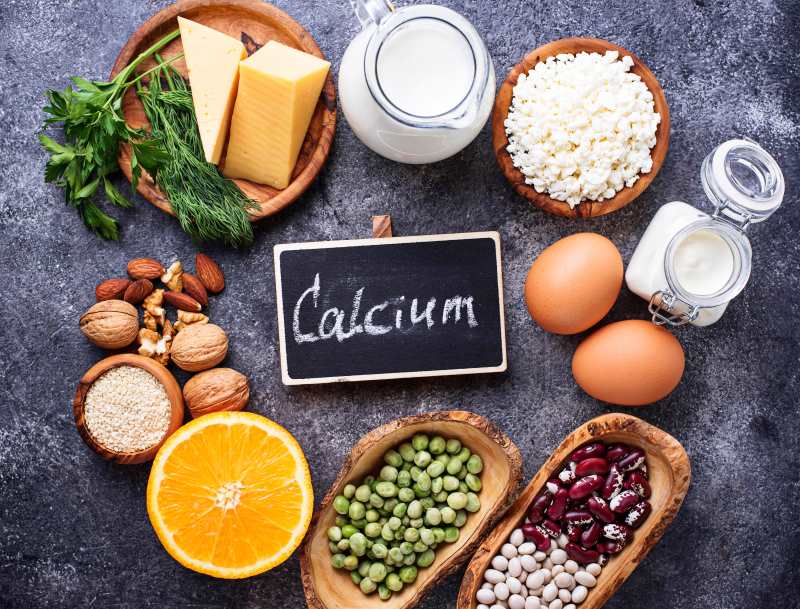
Minerals are micronutrients that help in the composition of bone, tissues, teeth, muscles and nerves. They help in the formation of vital body fluids, including blood, for bodily function. Minerals also play a significant role in maintaining a healthy cardiovascular system, supporting healthy nerve function, and regulating muscle tone. Sodium, chloride, magnesium, sulfur, phosphorus and calcium are examples of minerals needed in one’s body.
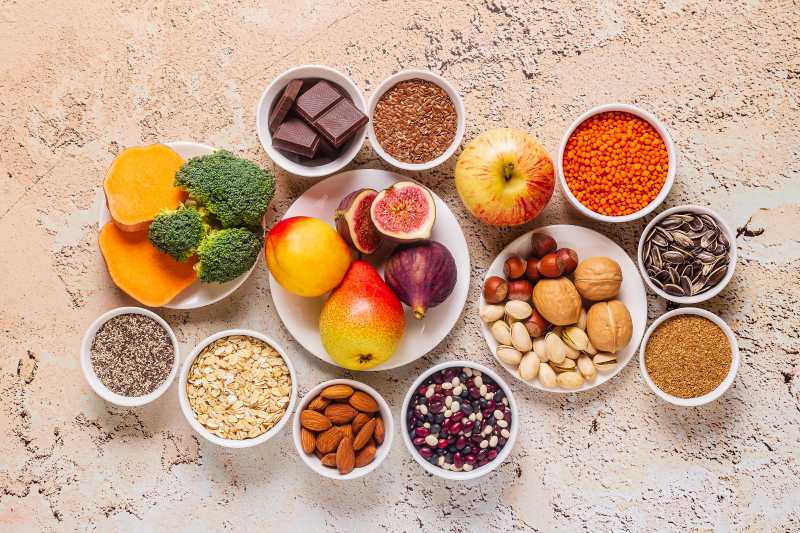
Dietary fibres are a form of carbohydrates that help in digestion. It helps in removing the toxic waste from the digestive system and regulates bowel movement. Soluble fibres lower the low-density lipoprotein, thereby reducing the blood cholesterol levels. It can also slow the absorption of sugar and prevent diabetes.
Scientifically, high fibre foods are more filling, which aids in weight management as well. Wheat, nuts, beans, peas, legumes, vegetables, wholemeal bread, etc., are examples of fibre-rich foods.

Vitamins are essential nutrients that the body needs in small amounts. They are grouped as water-soluble and fat-soluble. Fat-soluble vitamins D, A, E and K easily travel through the kidneys and get excreted.
On the other hand, folate, riboflavin, vitamin C, vitamin B12, vitamin B6, niacin and thiamin are water-soluble vitamins stored in the body’s cells. The body needs vitamins to support metabolic function and nerve functioning.
They work as antioxidants to remove the free radicals that damage cells. Some vitamins also take care of the immune system, bone and teeth growth, mucous membrane and skin health management.

Every human being needs 2 litres of water per day. It helps in the formation of digestive juices, acts as the basis of blood, urine and sweat. In addition, water is required to regulate body temperature, reduce the risk of cystitis, maintain cell health, lubricate cushion joints, and keep the bladder clean from bacteria. Water keeps the body hydrated and supports healthy skin.
The stated information explains the role of nutrition in health management. However, with the availability of instant food, the demand for nutritious food has significantly reduced.
Following this practice can lead to serious health issues. Some of them are discussed below.
Here is a list of health problems related to nutrition absence that need immediate attention. Individuals should consult a doctor to begin the treatment if any of the following diseases are diagnosed.
| Health Issue | Description |
| Sleep Depravity | Avoiding a nutritious diet can contribute to stress, poor gut health, lower stamina, inflammation, anxiety, skin irritations and more. These problems can give rise to serious issues like insomnia or sleep depravity. |
| Marasmus | Lack of protein and calories in the diet can lead to Marasmus. The common symptoms include wasted muscles, loss of body weight, and body fat depletion. |
| Anaemia | It is caused by a deficiency of iron in the diet. Anaemia is a common issue in women and girls. It can lead to menstrual and pregnancy issues. |
| Obesity | Consuming junk and oily food can increase body weight. Obesity is the primary source of major health issues like diabetes, cardiac diseases, high cholesterol, etc. According to WHO, nearly 1.9 billion adults are overweight or obese. |
| Kwashiorkor | Lower levels of protein intake can lead to Kwashiorkor disease. It causes swelling in the body, especially in the feet, hands, and face. Individuals can also suffer from dry skin and chipping. |
Nutrition is important throughout life, but the requirements and challenges change for each stage from infancy to old age. Understanding the unique nutrition requirements at every stage of life helps promote health and support growth and development.
| Life Stages | Key Nutrients | Description |
| Infants and Toddlers | Iron Calcium and Vitamin D Healthy Fats |
|
| Children and Teens | Protein Calcium and Vitamin D Iron |
|
| Adults | Macronutrients (Protein, Carb, Fats) Fibre Calcium and Vitamin D |
|
| Older Adults | Protein Calcium and Vitamin D Vitamin B12 Fibre Hydration |
|
Calculate Your Health Metrics Instantly

The basis for maintaining overall health and well-being is proper nutrition. Many benefits can be derived from a balanced diet with the right macronutrients, micronutrients, and water.
Proper nutrition is essential for growth and development, especially among children and adolescents. The supply of essential nutrients helps in bone formation, muscular growth, and organ development.
For day-to-day activities, food has to provide the necessary energy. Carbohydrates, proteins and fats get metabolism generating energy that maintains strength while minimizing fatigue and muscle tension.
Vitamins like A, C, and E and minerals such as zinc and selenium work towards supporting this system. When well nourished, the body will have a better chance of fighting off infections or diseases.
A good diet packed with fruits, vegetables, whole grains, lean meats, and healthy fats lowers the possibility of developing chronic diseases like heart problems, diabetes mellitus, and certain types of cancer.
Properly nourishing the body will help maintain a good weight. This can be achieved through proper nutrition that keeps the calorie and nutrient intake in check, thus preventing obesity due to metabolic syndrome and type 2 diabetes.
This is characterised by high blood pressure, which must be controlled. Consuming low-saturated fats, less sodium in meals, and more fruits, whole grains, and vegetables may reduce blood pressure and improve cholesterol levels.
Omega-3 fatty acids, antioxidants, and B vitamins are essential for optimum brain health. They improve memory functions, concentration, and overall cognitive ability, thereby reducing the risk of neurodegenerative diseases.
A balanced diet is helpful for mental health because it reduces mood swings, depression or anxiety. Nutrients like folate, iron or omega-3 fatty acids are also believed to have positive effects on emotional well-being.
Sufficient amounts of fibre in fruits, vegetables, and whole grains to ensure normal digestion that would not cause constipation. Also, probiotics as well as prebiotics work towards maintaining a healthy gut flora.
Proper nutrition can prevent chronic diseases and improve overall health, thereby promoting longer and healthier lives. A nutrient-rich diet fosters cellular repair while reducing ageing effects.
A balanced diet improves physical and mental well-being, allowing individuals to lead active and satisfying lives. Good nutrition underpins energy levels, physical fitness, and mental clarity, which makes life better.
Healthy eating habits and sustainable lifestyle changes are prerequisites for long-term well-being. Below are some practical strategies to help you maintain a balanced and nutritious diet:
| Dietary | Lifestyle Change |
| Add Variety of Foods | To get various nutrients, you should incorporate foods from all food groups. This includes fruits, vegetables, whole grains, lean proteins, and healthy fats. |
| Control of Portions | Take care of your portions to prevent overeating. Use smaller plates and bowls while paying attention to your body's signals of hunger or fullness. |
| Plan Your Meals | Plan your meals and snacks ahead of time so that they are balanced and nutritious. Preparing meals at home allows you to control ingredients and portion sizes. |
| Adding More Fruits and Vegetables to Your Diet | Try to fill half your plate with fruits and vegetables. They are rich in vitamins, minerals, and fibre but low in calories. |
| Whole Grains | Opt for whole grains such as brown rice, quinoa, whole wheat bread or oats instead of refined grains. Whole grain contains more fibre than the refined ones do. |
| Lean Protein Sources | Protein is responsible for muscle growth. Hence, include a variety of protein sources such as lean meats, fatty fish species, fat-free dairy products, beans, lentils, eggs, nuts, and seeds. |
| Good Fats | Add in healthy fats like avocados, nuts, seeds, and olive oil. Limit the saturated fats and trans-fats found in processed foods. |
| Watch Your Sugar Intake | Reduce your consumption of sugary drinks, candies, and desserts. Choose natural sweeteners such as fruits if you still need a sweet taste. |
| Reduce Salt Intake | Lower salt intake by shunning processed foods and not adding more salt to your meals. Instead of using additional salt, use herbs and spices to flavour food. |
| Avoid Processed Foods | Consume minimal quantities of processed and packaged foods, which contain high levels of unhealthy fats, sugars, and sodium. Where possible, go for fresh, whole foods. |
| Keep Hydrated | Drink enough water throughout the day. Also, limit sugary beverages and caffeinated ones, which can dehydrate you. |
| Normal Body Movements | Engage in 20-30 minutes of moderate-intensity activity daily, such as brisk walking, to help maintain an appropriate body mass index for your age. |
| Meal Routines | Establish consistent meal times to establish regular eating patterns. Do not skip meals, as this might lead to excessive feeding later on. |
| Scan Nutrition Labels | It is good to look for low-added sugar foods, unhealthy fats and less sodium in reading nutrition labels. |

When particular nutrients cannot be obtained sufficiently from one’s diet, supplements have the potential to bridge this gap. They help correct deficiencies, cater for specific dietary requirements and increase nutritional intake.
Popularly known as health dietary supplements, they include vitamins, minerals, omega-3 fatty acids and probiotics. They contribute to various health aspects like bone density maintenance, cardiovascular health and improved immune system response. Nevertheless, supplements should not replace a balanced diet but rather support it; hence, guidance from healthcare providers is crucial for their safe use.
Hence, it is essential to follow a fitness regime, a systematic sleep routine and a balanced diet. This would reduce the chances of long-term health issues and promote overall well-being.
Protect What Matters - Explore Other Insurance Options