Digit App

Accessibility Options

arrow
Grey Scale
Readable Text
Reset
hamburger
×
Digit General Insurance Logo
Powered By Digit
general-insurance

International Travel Insurance

Premium Starting ₹395

24x7 Missed Call Facility

false
travel

Check Price

arrow
×
travel

Travel Insurance

Trip Type

close
Oops! We don’t service this country for now.
Select geography
  • Country
  • Geography
  • selected_icon
date
date
Valid till {{ travelCtrl.getValidDate(travelCtrl.policyStartDate, 364) }}
date

Best Time to Visit Kenya from India

Best Months/Seasons to Visit Kenya

Knowing the details regarding seasonal variations and peak seasons makes trip planning easier. Go through the list below before planning a trip to Kenya:

Month Average Temperature Description
July-October (Winter Season) 20 to 30 degrees Celsius During this time, temperatures in Nairobi and other central regions can drop significantly, ranging from 10 to 20 degrees Celsius. Mt. Kenya has snow at its summit.

Popular events during this time: Lamu Yoga Festival, Humudu Day, and Mashujaa Day.

April-June and November (Rainy Season)
24 to 27 degrees Celsius The landscape turns lush and green, making it great for photography and seeing newborn wildlife.

Popular events during this time: Mawimbi Festival, Firi Festival, Safari Rally, and Mombasa Festival (November).

December-March (Summer Season)
35 to 40 degrees Celsius Summer in Kenya is generally hot and humid. February is usually the hottest month of the year, with long, hot, sunny days and little or no rain.

Popular events during this time: Koroga Festival, Summit Falls Festival, and Diani Ngalawa Regatta.

Here are some of the key details you should know about this season when planning for a trip to Kenya:

Weather Cool 
Temperature 20°C to  30°C 
Season Peak
Season for Localities Lamu Yoga Festival, Humudu Day, Mashujaa Day
Key Highlights
  • Experience the beauty of Kenya's landscapes from above on a hot air balloon safari
  • Head to Mount Kenya or the Aberdare Range for trekking and hiking adventures
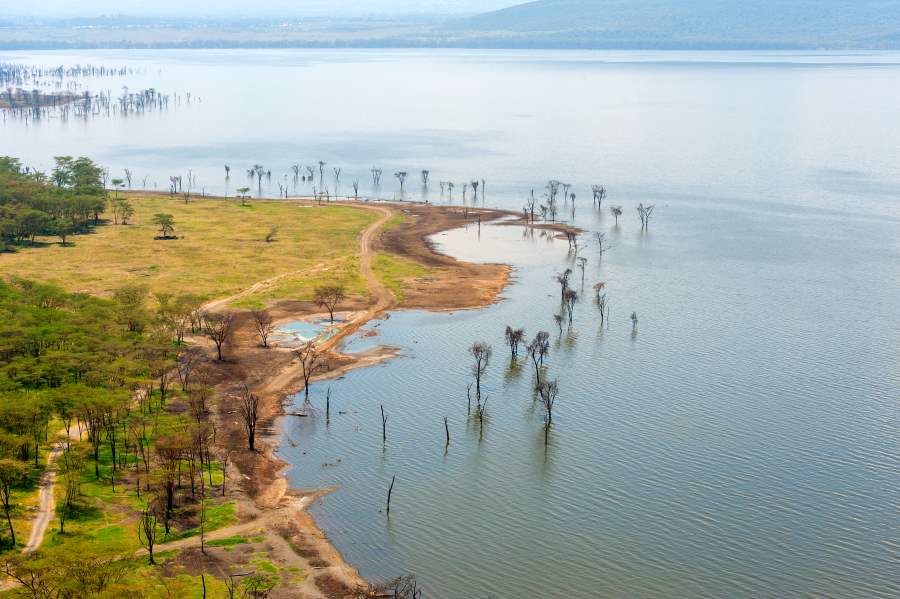
  • Visit national parks like Maasai Mara, Amboseli, or Tsavo to witness incredible wildlife

Here are some of the key details you should know about this season when planning for a trip to Kenya:

Weather Cool and rainy
Temperature 24°C to  27°C 
Season (April-May)Off 
  June-November (Moderate to Off)
Season for Localities Mawimbi Festival, Firi Festival, Safari Rally, Mombasa Festival (November)
Key Highlights
  • Visit places like the Nairobi Botanic Garden or Karura Forest, where the rainy season enhances the beauty of plants and flowers
  • Enjoy the lush green landscapes and waterfalls in Aberdare National Park or the Great Rift Valley
  • Many bird species are more active during the rainy season, making it a great time for birdwatching 

Here are some of the key details you should know about this season when planning for a trip to Kenya:

Weather Hot and humid
Temperature 35°C to  40°C 
Season Moderate 
Season for Localities Koroga Festival, Sumot Falls Festival, Diani Ngalawa Regatta
Key Highlights
  • The dry months are ideal for wildlife viewing as animals gather around water sources in Maasai Mara, Amboseli, and Tsavo
  • Explore local markets, cultural festivals, and historical sites with ease, as travel conditions are generally more stable
  • Enjoy beach activities in coastal areas like Mombasa, Diani Beach, and Malindi

When to Avoid Visiting Kenya?

Months to Avoid Reason
April and May April and May are considered the ‘long rains’ phase in Kenya. As a result, this is the time when you must avoid making your Kenya tour. Also, due to heavy rain, you can neither go to your desired tourist spots nor enjoy sightseeing. However, if you decide to visit Kenya during April and May, do not forget to take the necessary monsoon accessories like umbrellas, raincoats, gumboots, etc.

Seasonal Travel Costs of Visiting Kenya from India

Travelling to Kenya from India can vary in affordability depending on the time of year. Here's a general overview of how costs for flights and hotels can differ across different months or seasons:

Season Average Flight Cost Average Hotel Cost per Night Description
July-October (Winter Season) ₹28,000 - ₹32,000 ₹3,500 - ₹5,000 Highest prices; the season experiences cool weather. Tourists can go to experience the cool weather and go sightseeing.
April-June and November (Rainy Season) ₹19,000 - ₹32,000 ₹3,000 - ₹4,000 Low prices; the season experiences rainy weather. Tourists can visit and enjoy indoor activities.
December-March (Summer Season) ₹17,000 - ₹37,000 ₹3,000 - ₹4,000 Moderate prices are available because the weather is dry, and tourists can enjoy sightseeing as there is little to no rain.

Things to Know Before Visiting Kenya

Tips for Travelling in Kenya

What Phrases Should You Know Before Travelling to Kenya?

Learning a few words in Swahili will help you communicate better in Kenya. Following are the phrases you should know while making your trip to Kenya:

English Swahili
Hello Jambo!
Sorry Pole
Fine, Good Mzuri
Thank you Asante
Welcome Karibu
Yes Ndio
No Hapana
How are you? Habari
Don’t worry Hakuna Matata
My Name is Jina langu ni
Water Maji
Go Enda
Stop Simama
Turn right Geuka kulia
Turn left Geuka kushoto
Wine Divai
How Much Is This? Hii ni bei gani?
0 Sifuri
1 Moja
2 Mbili
3 Tatu
4 Nne
5 Tano
6 Sita
7 Saba
8 Nane
9 Tisa
10 Kumi


After knowing some of the best places to visit in Kenya and the ideal time to visit there, you can easily plan your trip. Book tickets as soon as possible to save more and carry the necessary things by the place you desire to go. In addition, buy a travel insurance policy as it will aid you financially in case of accidents, loss of documents, medical emergencies, etc., during your trip.

FAQs about Best Time to Visit Kenya

What is the peak season in Kenya?

up-arrow

In Kenya, the peak tourist season typically coincides with the dry, cool season, which occurs from July to October.

In Kenya, the peak tourist season typically coincides with the dry, cool season, which occurs from July to October.

What is the moderate season in Kenya?

up-arrow

The moderate season in Kenya generally spans from December to March. During these months, the weather is relatively mild, with fewer tourists.

The moderate season in Kenya generally spans from December to March. During these months, the weather is relatively mild, with fewer tourists.

What is the off-season in Kenya?

up-arrow

The off-season in Kenya falls during the long rains, typically from April to early June and November. Heavy rainfall can disrupt travel during this time, and wildlife sightings may be more challenging due to the dense vegetation.

The off-season in Kenya falls during the long rains, typically from April to early June and November. Heavy rainfall can disrupt travel during this time, and wildlife sightings may be more challenging due to the dense vegetation.

When is the best time to visit Kenya for a safari?

up-arrow

The best time for safaris in Kenya is during the cool season, from late July to October. This period offers excellent wildlife viewing as animals gather around water sources.

The best time for safaris in Kenya is during the cool season, from late July to October. This period offers excellent wildlife viewing as animals gather around water sources.

What is the Great Wildebeest Migration, and when is the best time to witness it?

up-arrow

The Great Wildebeest Migration is an annual spectacle where millions of wildebeest, zebras, and other herbivores move between Tanzania's Serengeti National Park and Kenya's Maasai Mara Reserve. The best time to witness this migration in Kenya is generally from July to September.

The Great Wildebeest Migration is an annual spectacle where millions of wildebeest, zebras, and other herbivores move between Tanzania's Serengeti National Park and Kenya's Maasai Mara Reserve. The best time to witness this migration in Kenya is generally from July to September.

When is the weather most pleasant in Kenya?

up-arrow

The weather is most pleasant during the moderate season, from January to March and from November to mid-December. Days are warm, and the nights are cooler, making it ideal for outdoor activities.

The weather is most pleasant during the moderate season, from January to March and from November to mid-December. Days are warm, and the nights are cooler, making it ideal for outdoor activities.

What are the pros and cons of visiting Kenya during the wet season?

up-arrow

The pros are lower prices, fewer tourists, lush landscapes, and migratory bird watching. The cons are that heavy rains may disrupt travel plans and make wildlife viewing more challenging due to dense vegetation.

The pros are lower prices, fewer tourists, lush landscapes, and migratory bird watching. The cons are that heavy rains may disrupt travel plans and make wildlife viewing more challenging due to dense vegetation.

Are there any specific events or festivals that are worth visiting Kenya for?

up-arrow

Yes, events like the Lamu Cultural Festival (November), Rhino Charge (June), and Maralal Camel Derby (August) offer unique cultural experiences. They are worth attending if you're in Kenya during those times.

Yes, events like the Lamu Cultural Festival (November), Rhino Charge (June), and Maralal Camel Derby (August) offer unique cultural experiences. They are worth attending if you're in Kenya during those times.

What is the climate in Kenya?

up-arrow

Kenya's climate is diverse due to its varying landscapes, but it is generally tropical. Coastal areas are hot and humid, while the highlands are cooler.

Kenya's climate is diverse due to its varying landscapes, but it is generally tropical. Coastal areas are hot and humid, while the highlands are cooler.

Is it possible to visit Kenya year-round?

up-arrow

Yes, Kenya can be visited year-round, depending on your interests. The dry season is ideal for wildlife safaris, while the wet season offers opportunities for birdwatching and cultural experiences.

Yes, Kenya can be visited year-round, depending on your interests. The dry season is ideal for wildlife safaris, while the wet season offers opportunities for birdwatching and cultural experiences.

What should I pack for a trip to Kenya?

up-arrow

Lightweight clothing in neutral colours, a wide-brimmed hat, sunscreen, insect repellent, sturdy walking shoes, binoculars for wildlife viewing, and a camera. Pack a rain jacket and waterproof shoes if visiting during the rainy season.

Lightweight clothing in neutral colours, a wide-brimmed hat, sunscreen, insect repellent, sturdy walking shoes, binoculars for wildlife viewing, and a camera. Pack a rain jacket and waterproof shoes if visiting during the rainy season.

Are there any health precautions I should take before visiting Kenya?

up-arrow

Yes, it's advisable to consult your doctor regarding vaccinations such as yellow fever, typhoid, hepatitis A, and malaria prophylaxis. Drink bottled or boiled water, avoid street food, and practise good hygiene to minimise the risk of traveller's diarrhoea.

Yes, it's advisable to consult your doctor regarding vaccinations such as yellow fever, typhoid, hepatitis A, and malaria prophylaxis. Drink bottled or boiled water, avoid street food, and practise good hygiene to minimise the risk of traveller's diarrhoea.

What are the busiest and least crowded times to visit Kenya?

up-arrow

The busiest times are during the dry season from July to October, especially July to September, for the Great Migration. The least crowded times are during the long rains from April to early June.

The busiest times are during the dry season from July to October, especially July to September, for the Great Migration. The least crowded times are during the long rains from April to early June.

Is Kenya expensive to visit?

up-arrow

Yes, Kenya can be moderately expensive, especially in tourist areas and during peak seasons. Accommodation, safaris, and specific activities can be costly, but budget options are available.

Yes, Kenya can be moderately expensive, especially in tourist areas and during peak seasons. Accommodation, safaris, and specific activities can be costly, but budget options are available.

When to go to Nairobi?

up-arrow

The best time to visit Nairobi is during the dry seasons, from December to March and July to October. These periods offer pleasant temperatures and less rainfall, making them ideal for outdoor activities and wildlife safaris.

The best time to visit Nairobi is during the dry seasons, from December to March and July to October. These periods offer pleasant temperatures and less rainfall, making them ideal for outdoor activities and wildlife safaris.

Do Indians need a visa for Kenya?

up-arrow

Yes, Indian citizens need a visa to visit Kenya. They can obtain an e-visa online or apply for a visa at the Kenyan embassy or consulate.

Yes, Indian citizens need a visa to visit Kenya. They can obtain an e-visa online or apply for a visa at the Kenyan embassy or consulate.

Which month is there snow in Kenya?

up-arrow

Snow in Kenya is permanently on Mount Kenya's peak and the Aberdare Range during the dry seasons, typically in January and February.

Snow in Kenya is permanently on Mount Kenya's peak and the Aberdare Range during the dry seasons, typically in January and February.

Which month is good for Kenya?

up-arrow

The best months to visit Kenya are during the dry seasons, from late June to October, and from late December to March, when wildlife viewing is excellent.

The best months to visit Kenya are during the dry seasons, from late June to October, and from late December to March, when wildlife viewing is excellent.

Why is Kenya worth visiting?

up-arrow

Kenya is worth visiting for its stunning wildlife safaris, beautiful landscapes, savannahs and mountains, rich culture, and warm hospitality.

Kenya is worth visiting for its stunning wildlife safaris, beautiful landscapes, savannahs and mountains, rich culture, and warm hospitality.

Is Nairobi worth visiting?

up-arrow

Yes, Nairobi is worth visiting for its national parks, cultural attractions, vibrant markets, and diverse cuisine.

Yes, Nairobi is worth visiting for its national parks, cultural attractions, vibrant markets, and diverse cuisine.

Is Nairobi hot or cold?

up-arrow

Nairobi has a mild climate, with temperatures typically ranging from 10°C to 25°C (50°F to 77°F). It can be cool in the evenings and early mornings.

Nairobi has a mild climate, with temperatures typically ranging from 10°C to 25°C (50°F to 77°F). It can be cool in the evenings and early mornings.

Is it safe to go to Nairobi at night?

up-arrow

No, certain areas of Nairobi can be unsafe at night due to crime. It is advisable to stay in well-lit, populated areas and use reputable transport.

No, certain areas of Nairobi can be unsafe at night due to crime. It is advisable to stay in well-lit, populated areas and use reputable transport.

Is Kenya good for nightlife?

up-arrow

Yes, Kenya is good for nightlife. Cities like Nairobi have a lively nightlife scene with clubs, bars, and restaurants offering diverse entertainment options.

Yes, Kenya is good for nightlife. Cities like Nairobi have a lively nightlife scene with clubs, bars, and restaurants offering diverse entertainment options.

What is the speciality of Kenya?

up-arrow

Kenya is known for its wildlife safaris, particularly in the Maasai Mara and Amboseli National Park, where you can see the Big Five (lion, elephant, buffalo, leopard, rhinoceros).

Kenya is known for its wildlife safaris, particularly in the Maasai Mara and Amboseli National Park, where you can see the Big Five (lion, elephant, buffalo, leopard, rhinoceros).

What is the most visited place in Kenya?

up-arrow

The Maasai Mara National Reserve is one of the most visited places in Kenya due to its abundance of wildlife and the Great Wildebeest Migration.

The Maasai Mara National Reserve is one of the most visited places in Kenya due to its abundance of wildlife and the Great Wildebeest Migration.

What is the prettiest place in Kenya?

up-arrow

Kenya has many stunning places, but places like the Maasai Mara, Amboseli National Park with views of Mount Kilimanjaro, and the coastal town of Lamu are often considered very picturesque.

Kenya has many stunning places, but places like the Maasai Mara, Amboseli National Park with views of Mount Kilimanjaro, and the coastal town of Lamu are often considered very picturesque.

What to buy from Kenya Nairobi?

up-arrow

Popular items to buy include traditional Maasai beadwork, wood carvings, coffee, tea, and local handicrafts.

Popular items to buy include traditional Maasai beadwork, wood carvings, coffee, tea, and local handicrafts.

What foods is Kenya famous for?

up-arrow

Kenya is known for dishes such as nyama choma (grilled meat), ugali (maize porridge), samosas, and pilau (spiced rice).

Kenya is known for dishes such as nyama choma (grilled meat), ugali (maize porridge), samosas, and pilau (spiced rice).

What are 5 facts about Kenya?

up-arrow

Five facts about Kenya: Home to diverse wildlife, including the Big Five. Mount Kenya, the second-highest mountain in Africa, is located here. Nairobi is the capital and largest city. Kenya's national language is Swahili, and English is also widely spoken. It's known for its rich cultural heritage, including 42 different tribes.

Five facts about Kenya:

  • Home to diverse wildlife, including the Big Five.
  • Mount Kenya, the second-highest mountain in Africa, is located here.
  • Nairobi is the capital and largest city.
  • Kenya's national language is Swahili, and English is also widely spoken.
  • It's known for its rich cultural heritage, including 42 different tribes.

Is Kenya good for shopping?

up-arrow

Yes, Kenya offers good shopping opportunities, especially in Nairobi and coastal towns, for traditional crafts, clothing, jewellery, and local products.

Yes, Kenya offers good shopping opportunities, especially in Nairobi and coastal towns, for traditional crafts, clothing, jewellery, and local products.