
General
Life
Accessibility Options


General

General Products
Simple & Transparent! Policies that match all your insurance needs.
 Car Insurance
 Two Wheeler Insurance
 Commercial Vehicle Insurance
 Health Insurance
 Home Insurance
 Travel Insurance
 Business Insurance
Car Insurance
Two Wheeler Insurance
Commercial Vehicle Insurance
Health Insurance
Travel Insurance
Business Insurance
Car Insurance
Two Wheeler Insurance
Commercial Vehicle Insurance
Health Insurance
Travel Insurance



Scan to download

Life

Life Products
Digit Life is here! To help you save & secure your loved ones' future in the most simplified way.
 Term Life
 Savings Plan
 Retirement and Pension Plans
 Group Life Products
 Product Documents
Term Life
Savings Plan
Retirement and Pension Plans
Group Life Products
Product Documents
Term Life
Savings Plan
Retirement and Pension Plans
Group Life Products

Scan to download

Claims

Claims
We'll be there! Whenever and however you'll need us.
 Customer Support
 Motor Claims
Health Claims
Motor Claims
Health Claims
 Marine Insurance
 Grievance Redressal
Customer Support
Motor Claims
Health Claims
Marine Insurance
Grievance Redressal
Grievance Redressal
Customer Support
Motor Claims
Health Claims
Marine Insurance
Grievance Redressal

Scan to download
 General
 Life
General
Life
Life
General
Life
Renewals
Resources

Resources
All the more reasons to feel the Digit simplicity in your life!
Exclusive Features
 Transparency Report
Others
Exclusive Features
Transparency Report
Transparency Report
Others
Exclusive Features
Transparency Report

Scan to download


Our WhatsApp number cannot be used for calls. This is a chat only number.

 Grey Scale
 Readable Text
 Reset
Reset




Premium Starting ₹395

24x7 Missed Call Facility



Check Price
Travel Insurance
Trip Type


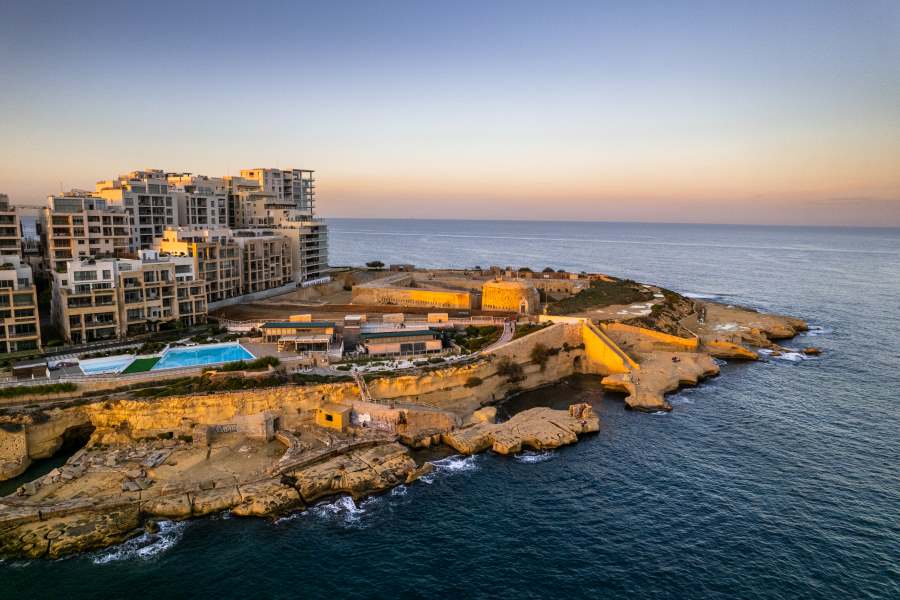
The best time to visit Malta is between June and October, i.e., from summer to late fall. The temperature is usually a pleasant 24°C and higher during this time. Malta is an archipelago in the Mediterranean that boasts an average of 300 sunny days yearly.
Tourists are attracted to this small island nation due to its warm climate. Besides the beaches, it is famous for cultural sites and lively events. Read more about the best times for such activities in Malta.

Table of Contents

If you are trying to find the best seasons for travelling to Malta, note the list discussed below:
| Month | Average Temperature | Description |
| March-May (Spring Season) | 9 to 16 degrees Celsius | Enjoy pleasant weather, ideal for exploring historic sites like Valletta, hiking, and blooming landscapes. Popular events during this time: Easter celebrations, the Fireworks Festival, Rock the South, and the Strawberry Festival. |
| June-August (Summer Season) | 15 to 31 degrees Celsius | Perfect for beach activities, diving in crystal-clear waters, and experiencing lively summer festivals. Popular events during this time: Earth Garden, Malta International Arts Festival, Malta Fashion Week, Malta Jazz Festival, and Summer Daze Malta. |
| September-November (Autumn Season) | 13 to 23 degrees Celsius | Mild temperatures, great for sightseeing, visiting vineyards during harvest, and enjoying local cuisine. Popular events during this time: Victory Day, Independence Day, Mediterranean Festival, and Mdina Classic. |
| December-February (Winter Season) | 9 to 16 degrees Celsius | Cooler weather suits exploring museums and enjoying cultural attractions and the festive atmosphere. Popular events during this time: Valletta Baroque Festival, Valletta Carnival, Christmas, and New Year celebrations. |
Malta's springtime is the perfect time for budget travellers to visit at its cheaper rates and experience this historic island without crowds. Though the weather is significantly cool for beach escapades, it is suitable for exploring the cities and cultural sites in the archipelago.
Here are some of the key details you should know about this season when planning for a trip to Malta:
| Weather | Cool and pleasant |
| Temperature | 9°C to 16°C |
| Season | Moderate |
| Season for Localities | Easter celebrations, Fireworks Festival, Rock the South and Strawberry Festival |
| Key Highlights |
|
Summer in Malta means relaxing on the beach, swimming in crystal clear water, and immersing yourself in another country's customs. The days are hot but not unpleasant, making it perfect for exploring Mdina or lazing on the beautiful beaches of Comino Island.
Here are some of the key details you should know about this season when planning for a trip to Malta:
| Weather | Warm and pleasant |
| Temperature | 15°C to 31°C |
| Season | Peak |
| Season for Localities | Earth Garden, Malta International Arts Festival, Malta Fashion Week, Malta Jazz Festival and Summer Daze Malta |
| Key Highlights |
|
The Maltese autumn is calm and peaceful. This is one of the best times to enjoy beaches and museums without much hustle. In this cool weather, there are also interesting historical tours and quiet town walks.
Here are some of the key details you should know about this season when planning a trip to Malta:
| Weather | Pleasant with occasional showers |
| Temperature | 13°C to 23°C |
| Season | Moderate to Peak |
| Season for Localities | Victory Day, Independence Day, Mediterranean Festival, Mdina Classic |
| Key Highlights |
|
Winter in Malta lasts from December till February, with average temperatures varying between 10°C and 15°C. It is not very cold this season, but frequent rains and occasional storms make outdoor activities less enjoyable.
Here are some of the key details you should know about this season when planning a trip to Malta:
| Weather | Cool with heavy showers |
| Temperature | 9°C to 16°C |
| Season | Off |
| Season for Localities | Valletta Baroque Festival, Valletta Carnival, Christmas and New Year celebrations |
| Key Highlights |
|
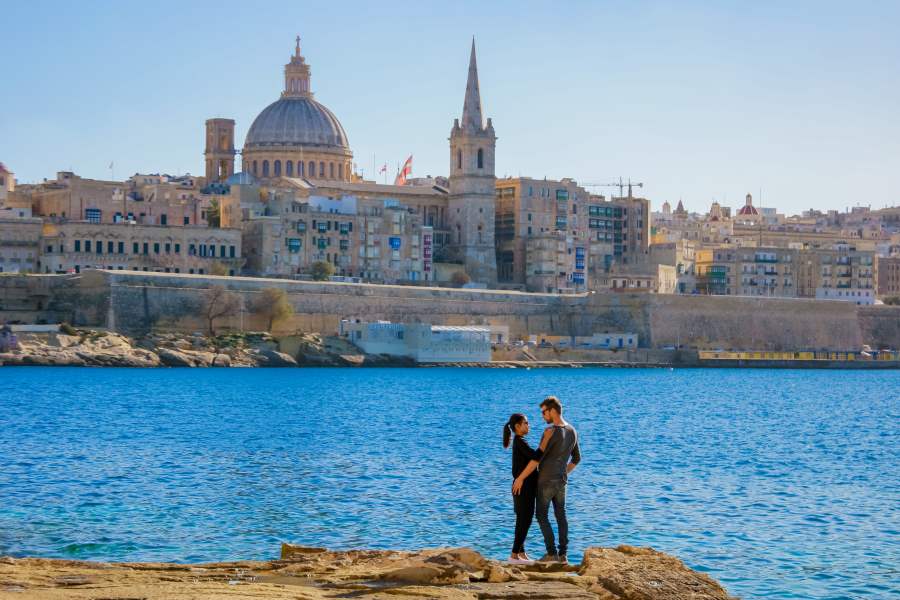
Though Malta is beautiful throughout all seasons, there are moments when it might not be desirable to visit for various reasons. One must understand those times to plan a trip that will give you joy; it's better to keep off moving around.
| Months to Avoid | Reason |
| December to February (Winter/Rainy Season) |
|
Travelling to Malta from India can be affordable if you choose the right time of year. The cost of flights and hotels varies significantly between seasons. Below is a detailed table outlining the different months/seasons and their respective pricing for various parameters:
| Season | Average Flight Cost | Average Hotel Cost per Night | Description |
| Spring (March-May) | ₹34,000 - ₹45,000 | ₹13,000 - ₹20,000 | Moderate to peak prices; ideal for exploring cities and outdoor activities with cool weather. |
| Summer (June-August) | ₹35,000 - ₹50,000 | ₹13,000 - ₹22,000 | Peak season has higher prices due to increased tourism; it is perfect for beach and hiking trips. |
| Autumn (September-November) | ₹30,000 - ₹42,000 | ₹12,000 - ₹20,000 | Moderate prices; great for sightseeing and experiencing the grape harvest season. |
| Winter (December-February) | ₹31,000 - ₹40,000 | ₹10,000 - ₹18,000 | Low season with lower prices due to rain; best for indoor cultural activities. |
Malta is a fascinating country to visit. However, there are some things you should be aware of and prepare yourself for beforehand to avoid inconvenience during your trip. Some of them are:
Every country has their own set of customs, rules and dangers. You should be aware of these things as a tourist in Malta. Some of them are:
Here are some phrases which you would find helpful during your travel to Malta:
| English | Maltese |
| Good Morning | Bongu |
| How are you | Kif int? |
| Hello | Hello (Hell-oh) |
| Thank you | Grazzi (Grats-ee) |
| I’m lost | Intlift (Int-lift) |
| Excuse me | Skuzi (Skoo-zee) |
| Do you speak English? | Titkellem bl-Ingliz? (Tit-kell-em bul-ing-liz?) |
| I don’t understand | M’inix nifhem (Mh-in-icks niff-hem) |
| How much is this? | Kemm tiswa din? (Kemm tis-wah din?) |
| Where’s a good restaurant? | Fejn hemm ristorant tajjeb? (Feyn hemm riss-toh-rant tay-yeb?) |
| Good afternoon | Il waranofsinnar it-tajjeb (Ill wah-rah-noffs-in-nar it-tadge-jeb) |
| Good evening/night | Bonswa (Bons-wah) |
| Goodbye | Caw (Caw) |
| Yes | Iva (Ee-vah) |
| No | Le (Leh) |
| Maybe | Forsi (For-see) |
| I don’t speak Maltese | Ma nitkellimx bil-Malti (Mah nit-kell-im-cks bill-Mal-tee) |
| One | Wahda (Wah-dah) |
| Two | Zewg (Zoog) |
| Three | Tlieta (Tlee-ett-ah) |
| Four | Erba (Err-bah) |
| Five | Hamsa (Ham-sah) |
| Six | Sitta (Sit-tah) |
| Seven | Seba (Seh-bah) |
| Eight | Tmien (Tum-ee-en) |
| Nine | Disa (Dee-sah) |
| Ten | Ghaxra (Gax-rah) |
While the Maltese are well versed in English, it is still a good practice to know a few words and phrases of theirs before visiting their country. It shows that you made an effort to learn about their language and culture, which creates a positive impression as a tourist.
Now that you’re aware of the best time to visit Malta, you can plan your trip more easily and get the best out of your experience. Firstly, remember to get international travel insurance before your trip. It will cover you up in unforeseen circumstances such as health issues, injuries, baggage loss, flight delays and, cancellations, etc.
Here are five facts about Malta:



