General
Life
Accessibility Options


General

General Products
Simple & Transparent! Policies that match all your insurance needs.
 Car Insurance
 Two Wheeler Insurance
 Commercial Vehicle Insurance
 Health Insurance
 Home Insurance
 Travel Insurance
 Business Insurance
Car Insurance
Two Wheeler Insurance
Commercial Vehicle Insurance
Health Insurance
Travel Insurance
Business Insurance
Car Insurance
Two Wheeler Insurance
Commercial Vehicle Insurance
Health Insurance
Travel Insurance



Scan to download

Life

Life Products
Digit Life is here! To help you save & secure your loved ones' future in the most simplified way.
 Term Life
 Savings Plan
 Retirement and Pension Plans
 Group Life Products
 Product Documents
Term Life
Savings Plan
Retirement and Pension Plans
Group Life Products
Product Documents
Term Life
Savings Plan
Retirement and Pension Plans
Group Life Products

Scan to download

Claims

Claims
We'll be there! Whenever and however you'll need us.
 Customer Support
 Motor Claims
Health Claims
Motor Claims
Health Claims
 Marine Insurance
 Grievance Redressal
Customer Support
Motor Claims
Health Claims
Marine Insurance
Grievance Redressal
Grievance Redressal
Customer Support
Motor Claims
Health Claims
Marine Insurance
Grievance Redressal

Scan to download
 General
 Life
General
Life
Life
General
Life
Renewals
Resources

Resources
All the more reasons to feel the Digit simplicity in your life!
Exclusive Features
 Transparency Report
Others
Exclusive Features
Transparency Report
Transparency Report
Others
Exclusive Features
Transparency Report
Scan to download


Our WhatsApp number cannot be used for calls. This is a chat only number.

 Grey Scale
 Readable Text
 Reset
Reset



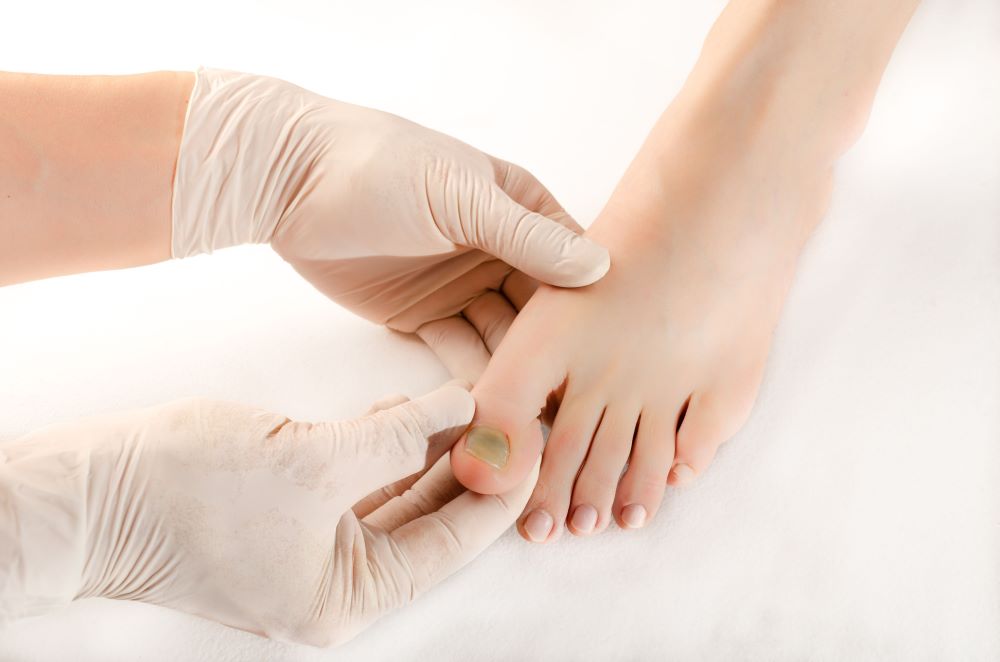
Fungal infections are a common problem in individuals with sensitive skin and poor immunity.
Diseases caused by fungus occur when this microorganism takes over a specific body part, and the immunity system in humans finds it challenging to deal with such infections.
Since the disease is contagious, individuals should consult a doctor at the earliest. Keep reading to learn more about the infections caused by fungus.

Table of Contents

Individuals should know that different fungi variants cause different fungal diseases. Fungi are multicellular microorganisms that produce filamentous structures called moulds. Scientifically, these microorganisms can invade a human body and colonise it gradually.
Individuals can get fungal diseases by inhaling or coming in contact with the spores released during fungi reproduction. Generally, the areas surrounding the nails, skin, and lungs are infected first. These spores can penetrate the skin and infect the vital organs causing recurring infections.
Moreover, treating fungal diseases is challenging as the microorganism can re-infect the patient by finding a suitable environment. The symptoms of mild infection are generally rash or redness in a specific area.
In critical cases, the fungi can infect the lungs imitating the illness caused by bacterial or viral pneumonia. Fungal diseases like bloodstream infections and fungal meningitis can cause significant damage to the organs.
Let’s check the list of all diseases caused by fungus in humans. This will help you have a better understanding.
Fungal diseases are caused by fungi microorganisms found in various environments. Here are some common causes of fungal diseases:
Fungal diseases can range from mild skin infections to severe systemic infections, depending on the type of fungus and the individual's health.
Let’s check the list of all diseases caused by fungus in humans. This will help you have a better understanding.
Fungal infections are diverse and can affect various parts of the body. Here is a list of diseases caused by fungi commonly found in humans.
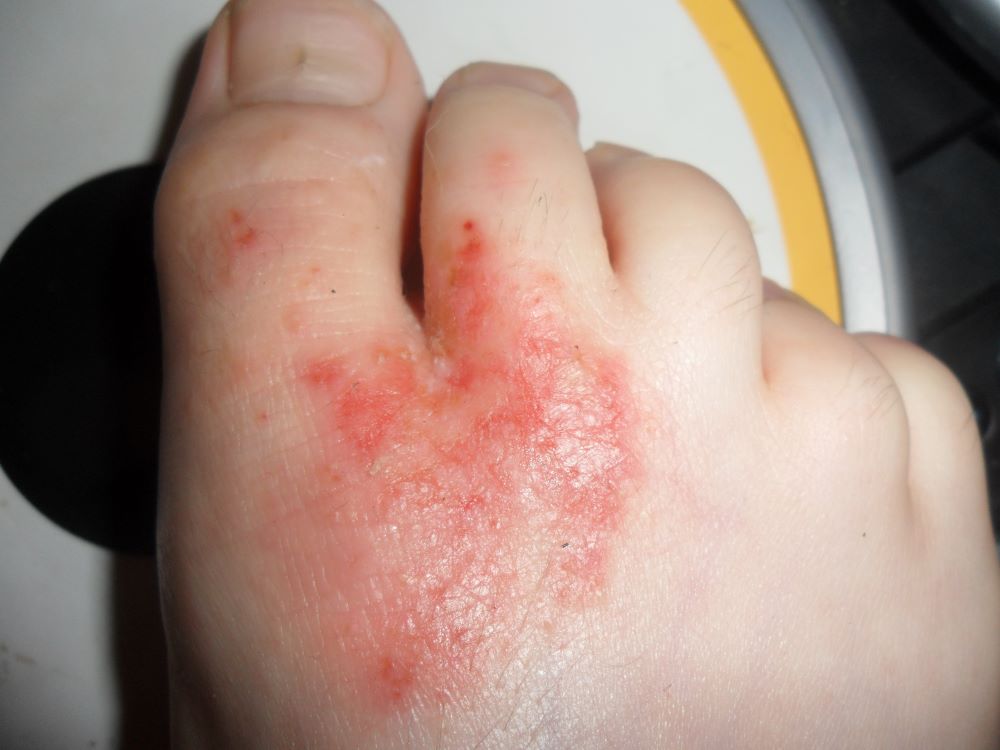
Tinea pedis, or Athlete’s foot, infects the skin around the feet, nails and hands. The dermatophytes, a fungi group that grows in humid and warm areas between human toes, cause this infection. It often results in itching, redness, and peeling of the affected skin and can spread to other parts of the body if not treated properly.
Jock itch is a fungal infection occurring in the groyne region, buttocks and inner thighs of humans. Dermatophyte is a common fungus that causes this disease in humans, as they can survive in warm and humid areas. This infection leads to an itchy, red rash and can worsen with friction and moisture, often requiring antifungal treatment for relief.
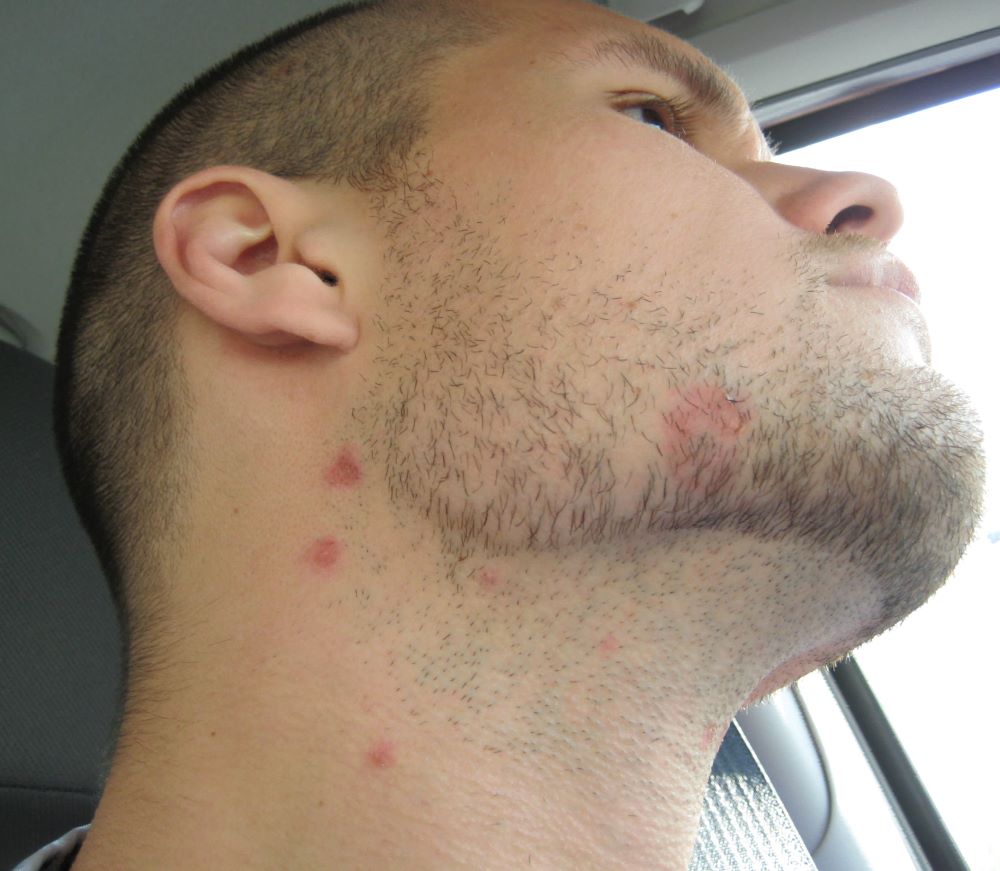
Ringworm is a fungal infection that affects the scalp and skin and is caused by dermatophytes. This condition often leads to itchy, red, and scaly patches on the affected areas. It is highly contagious and can spread through direct contact or contaminated objects, making early treatment important to prevent spreading.
Candida Albicans causes yeast infection and infects the gastrointestinal tract, genitals, skin, mouth and urinary tract. Scientifically, small amounts of Candida Albicans reside in the human body and skin. The over-multiplication of these fungi can cause yeast infection, leading to symptoms such as itching, discharge, and redness.
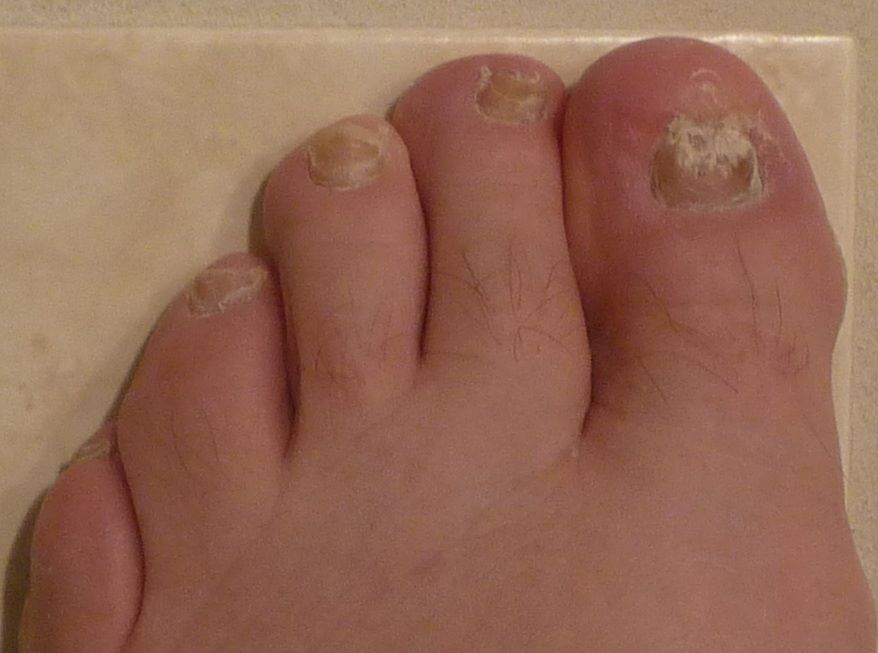
Onychomycosis infection occurs in toenails, fingernails, and nail beds. It is also known as Tinea Unguium. This condition typically causes nails to become discoloured, thickened, and brittle. If left untreated, it can lead to further complications and discomfort, potentially affecting daily activities and overall nail health.
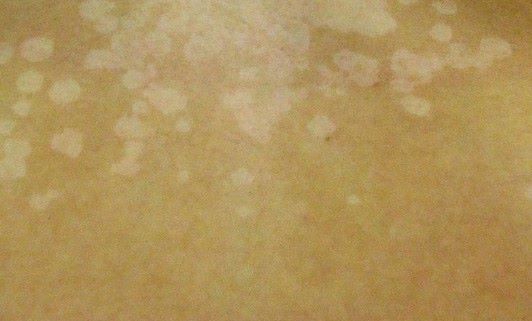
Tinea Versicolor is a fungal infection caused by Malassezia yeast affecting the skin's pigmentation. It leads to discoloured patches on the skin, which may appear lighter or darker than the surrounding areas. This infection thrives in warm and humid conditions and can cause uneven skin tone and cosmetic concerns.
Additionally, certain fungi variants don’t cause human infections but can weaken the immune system.
Let’s check the symptoms of fungal infection to keep a tab on the bodily changes.
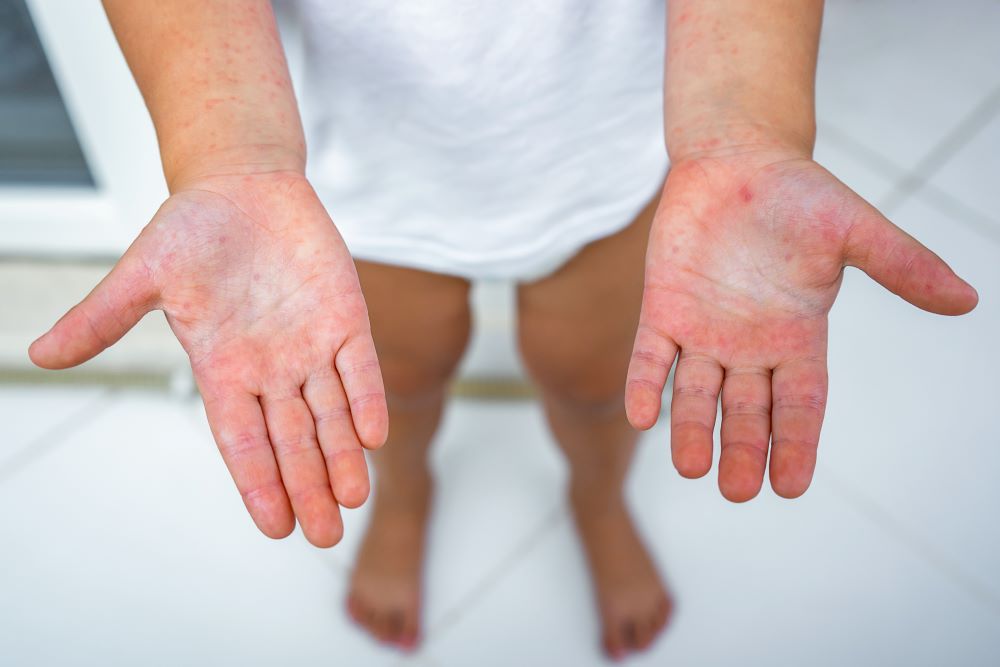
The symptoms of fungal infection may vary from person to person. However, the common symptoms include-
Here are some symptoms of severe fungal infection-
Ignoring fungal diseases can cause significant damage to the body. Some of the harmful effects of fungal infections are -
It is essential to know the risk factor linked with the said disease. Individuals who are prone to fungus disease should opt for routine medical checkups.
Individuals should know that multiple factors can lead to fungal infections in humans. For instance, environmental or seasonal changes increase the risk of fungus exposure.
Let’s check how this disease is diagnosed. An earlier diagnosis helps to understand the causes of fungus disease and receive the appropriate treatment.
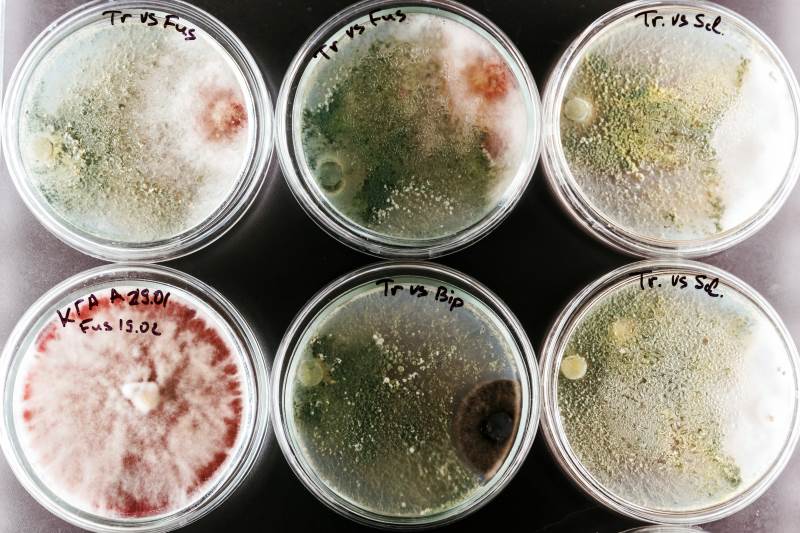
A doctor analyses the infected area and growth to identify fungal disease. They may suggest the following diagnosis
Doctors usually scrape the scaling skin off a patient’s skin and send it for examination.
In case of yeast infection, a doctor might examine the cervix and vaginal walls. They might scrape some vaginal cells for further examination.
Let’s check the treatment methods suggested by doctors for the said disease.
These are the standard treatment processes suggested by doctors to treat fungal diseases.
Now, let’s check how to prevent fungus infection.
The ways to prevent diseases caused by fungus and their impact are as follows:
Now that individuals know all about diseases caused by fungus, they will be able to quickly identify the symptoms. Individuals should consult a dermatologist or doctor when symptoms of fungal infection occur. This would help them prevent any disease caused by a fungus and its impact.
Yes, most of the health insurance plans generally covers the treatment of fungal diseases, including costs for doctor visits, diagnostic tests, and prescribed medications. If hospitalisation is required for severe infections, most policies will also cover inpatient expenses, though specifics like deductibles and copays can vary by plan.
However, some insurance plans may have exclusions or waiting periods, particularly for pre-existing conditions related to fungal infections. Reviewing your policy to understand the exact coverage and any potential limitations is essential.
Now that individuals know all about diseases caused by fungus, they will be able to quickly identify the symptoms. Individuals should consult a dermatologist or doctor when symptoms of fungal infection occur. This would help them prevent any disease caused by a fungus and its impact.