General
Life
Accessibility Options


General

General Products
Simple & Transparent! Policies that match all your insurance needs.
 Car Insurance
 Two Wheeler Insurance
 Commercial Vehicle Insurance
 Health Insurance
 Home Insurance
 Travel Insurance
 Business Insurance
Car Insurance
Two Wheeler Insurance
Commercial Vehicle Insurance
Health Insurance
Travel Insurance
Business Insurance
Car Insurance
Two Wheeler Insurance
Commercial Vehicle Insurance
Health Insurance
Travel Insurance


Scan to download

Life

Life Products
Digit Life is here! To help you save & secure your loved ones' future in the most simplified way.
 Term Life
 Savings Plan
 Retirement and Pension Plans
 Group Life Products
 Product Documents
Term Life
Savings Plan
Retirement and Pension Plans
Group Life Products
Product Documents
Term Life
Savings Plan
Retirement and Pension Plans
Group Life Products
Scan to download

Claims

Claims
We'll be there! Whenever and however you'll need us.
 Customer Support
 Motor Claims
Health Claims
Motor Claims
Health Claims
 Marine Insurance
 Grievance Redressal
Customer Support
Motor Claims
Health Claims
Marine Insurance
Grievance Redressal
Grievance Redressal
Customer Support
Motor Claims
Health Claims
Marine Insurance
Grievance Redressal

Scan to download
 General
 Life
General
Life
Life
General
Life
Renewals
Resources

Resources
All the more reasons to feel the Digit simplicity in your life!
Exclusive Features
 Transparency Report
Others
Exclusive Features
Transparency Report
Transparency Report
Others
Exclusive Features
Transparency Report

Scan to download


Our WhatsApp number cannot be used for calls. This is a chat only number.

 Grey Scale
 Readable Text
 Reset
Reset



Modern living is all about simplifying life. Unfortunately, this requirement has given rise to a demand for processed and fried food. The rise of heart disease and obesity is the impact of toxin intake.
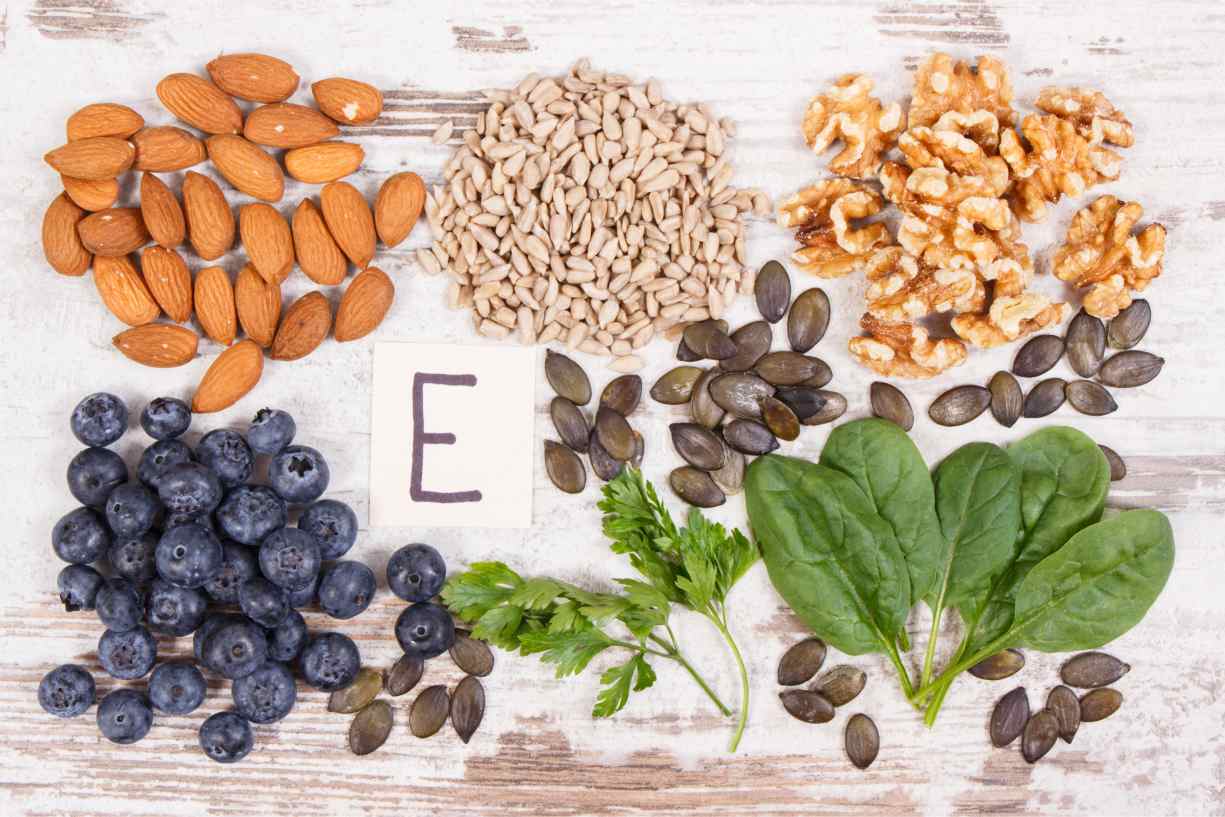
Among the vitamin family, the fat-soluble compound vitamin E helps protect the body from cell damage. Hence, it is imperative to include vitamin E rich foods into the diet.
Here is a list of foods that contain vitamin E or alpha-tocopherol. Scroll down to take the first step to a healthy lifestyle.

Table of Contents

Vitamin E typically refers to alpha-tocopherol succinate. It's an antioxidant that protects cells from damage caused by free radicals. Commonly found in skincare products, dietary supplements, and certain foods, vitamin E promotes skin health, enhances immune function, and supports eye health.
Vitamin E, known as alpha-tocopherol, is found in various foods. Nuts and seeds, like almonds, sunflower seeds, and hazelnuts, are rich sources. Vegetable oils, such as sunflower, safflower, and wheat germ oil, also contain high levels of vitamin E. Leafy green vegetables, including spinach and broccoli, provide vitamin E.
Vitamin E is a vital component found in numerous food items. Here is a list of vitamin E foods to check before preparing a diet.
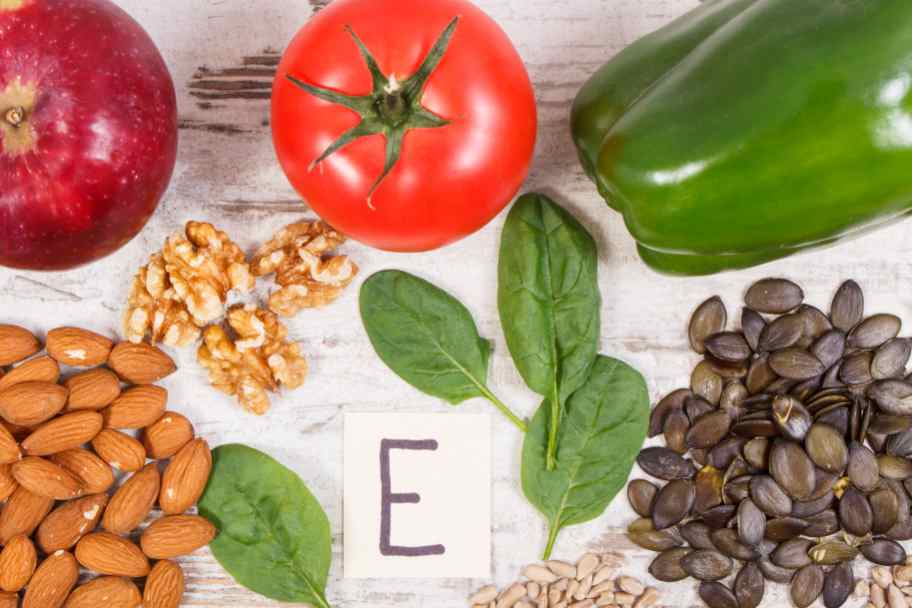
Green and leafy vegetables are the best sources of nutrients due to their easy availability. Here is a list of vegetables one can check to confirm which food vitamin E is found.
SNo. |
Vegetables | Vitamin E Content (Per 100 grams) |
| 1 | Turnip | 2.9 mg |
| 2 | Collards | 2.3 mg |
| 3 | Spinach | 2 mg |
| 4 | Swiss Chard | 2 mg |
| 5 | Beet Greens | 1.9 mg |
| 6 | Mustard Greens | 1.8 mg |
| 7 | Red sweet pepper | 1.6 mg |
| 8 | Brocolli | 1.5 mg |
| 9 | Asparagus | 1.5 mg |
| 10 | Cabbage | 1.5 mg |
| 11 | Butternut squash | 1.3 mg |
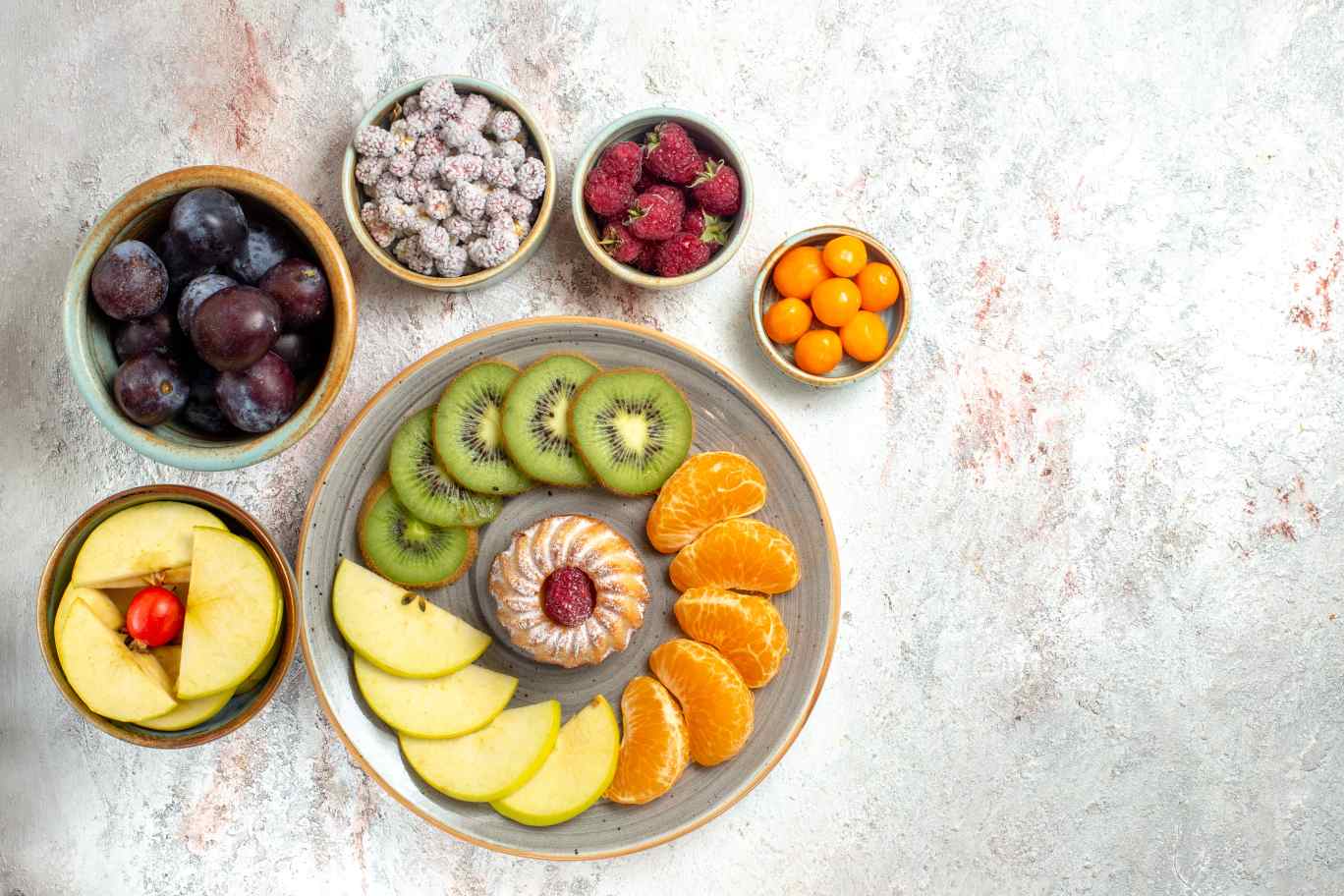
Including fruit in breakfast or lunch can fulfil the daily need for nutrients. Therefore, it is imperative to know which fruit has the most vitamin E.
Here are some of India's top vitamin E fruits to try today.
SNo. |
Fruits | Vitamin E Content (Per 100 grams) |
| 12 | Olive | 3.8 mg |
| 13 | Avocado | 2.1 mg |
| 14 | Cranberries | 2.1 mg |
| 15 | Mamey Sapote | 2.1 mg |
| 16 | Kiwi Fruit | 1.5 mg |
| 17 | Blackberries | 1.2 mg |
| 18 | Black currant | 1.0 mg |
| 19 | Mango | 0.9 mg |
| 20 | Apricots | 0.9 mg |
| 21 | Raspberries | 0.9 mg |
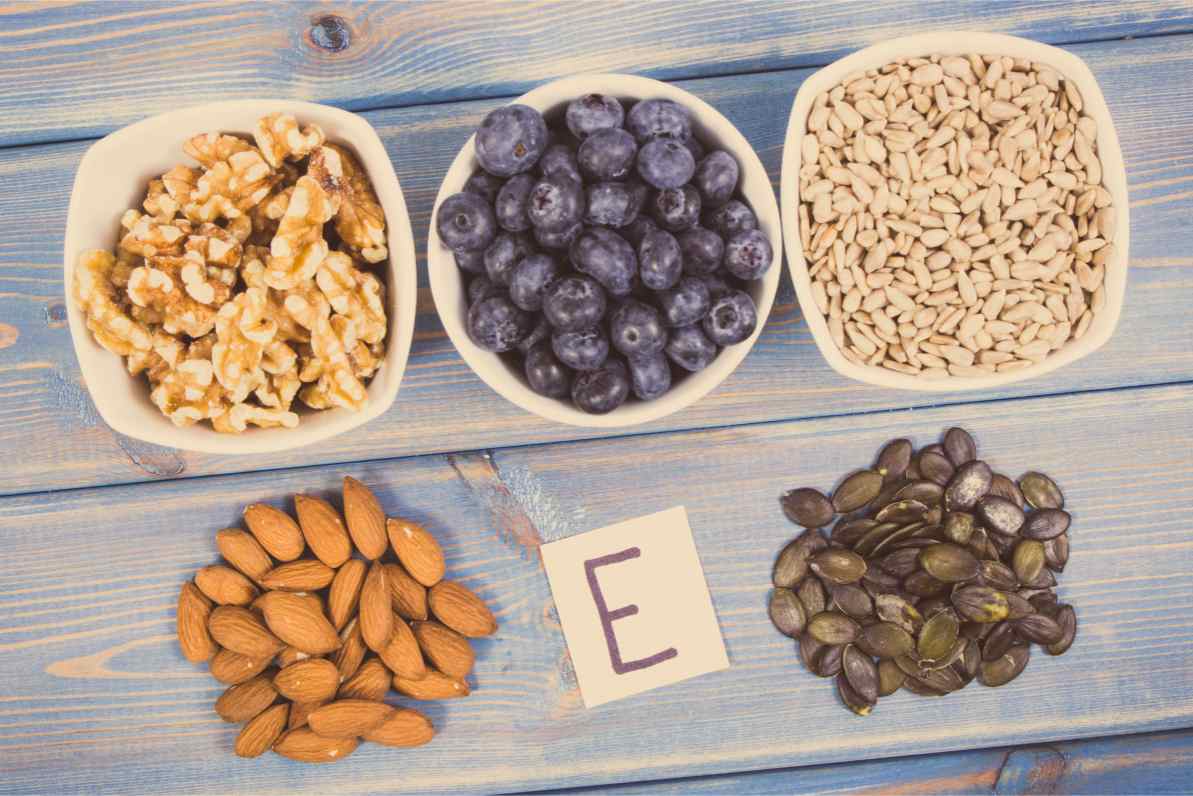
Here is a table listing seeds and nuts rich in vitamin E along with their vitamin E content per 100 grams:
SNo. |
Seeds and Nuts | Vitamin E Content (Per 100 grams) |
| 22 | Sunflower Seeds | 35.17 mg |
| 23 | Almonds | 25.63 mg |
| 24 | Hazelnuts | 15.03 mg |
| 25 | Pine Nuts | 9.33 mg |
| 26 | Peanuts | 8.33 mg |
| 27 | Pistachios | 2.86 mg |
| 28 | Walnuts | 0.70 mg |
| 29 | Pecans | 1.40 mg |
| 30 | Brazil Nuts | 5.65 mg |
| 31 | Cashews | 0.92 mg |
| 32 | Macadamia Nuts | 0.54 mg |
| 33 | Sesame Seeds | 0.25 mg |
| 34 | Chia Seeds | 0.50 mg |
| 35 | Flaxseeds | 0.31 mg |
| 36 | Hemp Seeds | 0.80 mg |
| 37 | Pumpkin Seeds | 0.56 mg |
| 38 | Watermelon Seeds | 0.53 mg |
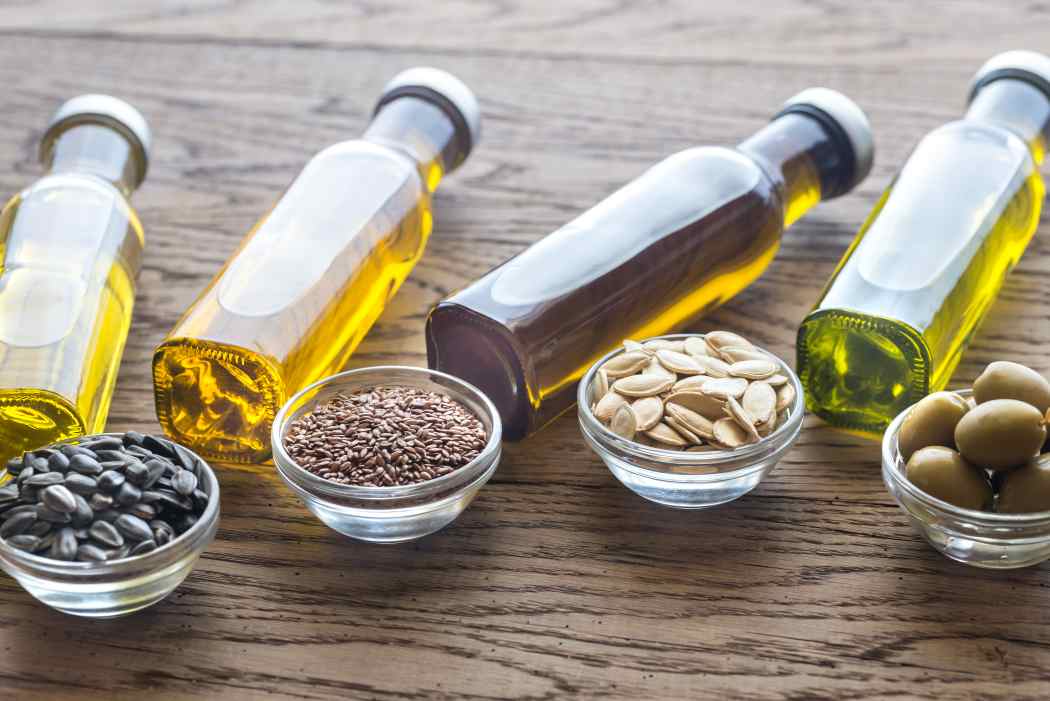
With healthy habits comes a healthy solution. Since obesity and toxin consumption have become health hazards, the demand for vitamin E-rich oils has grown. Here is a list of which oils contain the most vitamin E.
SNo. |
Animal and Seafood | Vitamin E Content (Per 100 grams) |
| 39 | Wheat Germ oil | 149 mg |
| 40 | Hazelnut oil | 47 mg |
| 41 | Sunflower oil | 41 mg |
| 42 | Almond oil | 39 mg |
| 43 | Cottonseed oil | 35 mg |
| 44 | Safflower oil | 34 mg |
| 45 | Rice Bran oil | 32 mg |
| 46 | Grapeseed oil | 29 mg |
| 47 | Canola oil | 18 mg |
| 48 | Palm Oil | 16 mg |
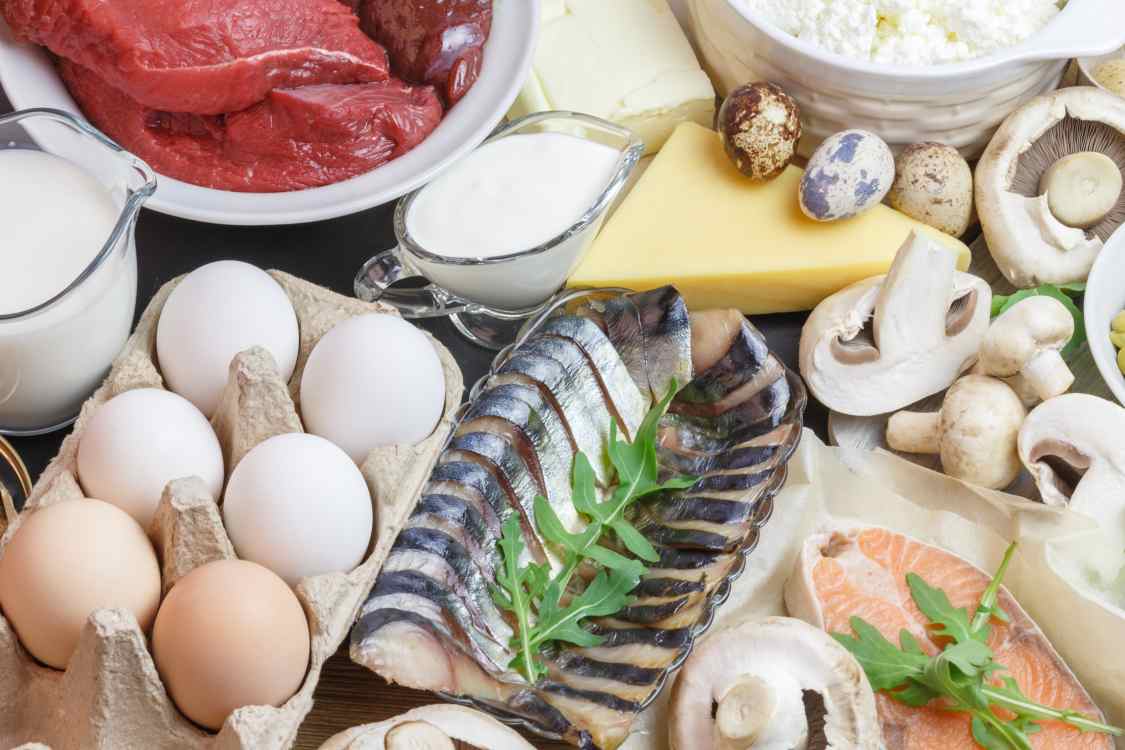
Here's a table listing animal and seafood sources high in vitamin E, some of the wealthiest animal and seafood sources of vitamin E, useful for those looking to increase their intake of this essential nutrient through non-plant-based foods, along with their vitamin E content per 100 grams:
SNo. |
Animal and Seafood | Vitamin E Content (Per 100 grams) |
| 49 | Atlantic Salmon | 2.8 mg |
| 50 | Rainbow Trout | 2.2 mg |
| 51 | Atlantic Herring | 1.7 mg |
| 52 | Shrimp | 2.2 mg |
| 53 | Octopus | 1.2 mg |
| 54 | Crab | 2.1 mg |
| 55 | Tuna | 0.9 mg |
| 56 | Lobster | 1.6 mg |
| 57 | Mackerel | 1.7 mg |
| 58 | Sardines | 2.0 mg |
| 59 | Halibut | 0.8 mg |
| 60 | Abalone | 2.5 mg |
| 61 | Oysters | 1.7 mg |
| 62 | Chicken (dark meat) | 0.3 mg |
| 63 | Turkey (dark meat) | 0.4 mg |
| 64 | Pork (loin) | 0.3 mg |
| 65 | Duck | 0.5 mg |
| 66 | Goose | 0.6 mg |
| 67 | Beef Liver | 0.7 mg |
| 68 | Lamb Liver | 0.8 mg |
| 69 | Atlantic Salmon | 2.8 mg |
Vitamin E is an essential nutrient that every individual must include in his or her diet. This requirement can be fulfilled by adding a balanced proportion of vitamin E rich foods. Preparing a meal chart with dishes cooked in vitamin E rich oil and vegetables would be beneficial.
According to Mayo Clinic, vitamin E is vital for numerous bodily functions, including immune health and skin protection. The recommended daily intake of vitamin E varies by age and life stage. Here’s a table summarising the daily requirements for different age groups:
Age Group |
Recommended Vitamin E Intake (milligrams per day) |
| Birth to 6 months | 4 mg |
| Infants 7–12 months | 5 mg |
| Children 1–3 years | 6 mg |
| Children 4–8 years | 7 mg |
| Children 9–13 years | 11 mg |
| Teens 14–18 years (boys) | 15 mg |
| Teens 14–18 years (girls) | 15 mg |
| Adults (men) | 15 mg |
| Adults (women) | 15 mg |
| Pregnant teens | 15 mg |
| Pregnant women | 15 mg |
| Breastfeeding teens | 19 mg |
| Breastfeeding women | 19 mg |
Ensuring adequate vitamin E intake is essential for overall health. Including a variety of vitamin E rich foods in your diet can help meet these daily requirements.
Calculate Your Health Metrics Instantly
Vitamin E is a combined name for lipophilic compounds with a chromanol ring and a side chain at the C2 position. There are usually four tocotrienols and four tocopherols.
Discovered in the 1980s as a dietary factor to support reproduction, vitamin E is now regarded as a free radical-hunting antioxidant.
It is a fat-soluble compound found in leafy vegetables, nuts, seeds, and certain plant oils like wheat germ. The compound operates as an antioxidant and protects the body from free radicals that damage human cells.
Moreover, vitamin E foods would prevent atherosclerosis and reduce chances of vision loss, cancer and other chronic issues.
Some of the proven benefits of consuming vitamin E rich foods are discussed below.
Consuming vitamin E-rich fruits and vegetables can help prevent diseases such as cardiovascular illness, neurological disorders, age-related eye and skin damage, and infertility.
It helps lower the serum cholesterol levels and simultaneously boosts up the immune responses.
Vitamin E acts as an antioxidant, removing body toxins and scavenging free radicals, such as singlet oxygen and peroxyl radicals.
It is also used for biomedical materials. The component α-Tocopherol is blended into a dialysis membrane of chronic haemodialysis patients to recover stability and functions.
Multiple studies have indicated that taking vitamin E supplements or food can help adults remain mentally active. It also prevents Alzheimer’s disease and the decline of mental health.
Gynaecologists recommend 15 milligrams of vitamin E to pregnant women as it helps develop a baby’s nervous system. While breastfeeding, mothers are advised to increase their intake up to 19 milligrams.
These factors substantiate the need to add vitamin E-rich foods to one’s meal. Some of the food items that can fulfil the requirement are listed below.
Including vitamin E rich foods in your diet provides numerous health benefits, from protecting cells to boosting immunity. Here are some key benefits:
Incorporating vitamin E rich foods into your diet is crucial for overall health, as this antioxidant supports immune function and skin health. Here are various ways to include these nutrient-packed foods in your meals:
Vitamin E deficiency can lead to various health issues due to its role as an antioxidant. Incorporating these foods into daily meals can help prevent vitamin E deficiency and reduce the risk of associated health problems. Symptoms may vary but commonly include:
Not getting enough vitamin E can pose several health risks due to its crucial role as an antioxidant. Some potential consequences include:
Increased susceptibility to infections due to weakened immune function.
Higher risk of neurological issues like muscle weakness and impaired coordination.
Vision problems such as retinal degeneration and loss of vision.
Skin issues include dryness, itching, and dermatitis.
Elevated risk of cardiovascular diseases due to oxidative stress.
Potential cognitive impairment and memory difficulties.
Excessive intake of vitamin E supplements can lead to adverse effects on health despite its essential role as an antioxidant. Common side effects include:
While meeting vitamin E needs through diet is ideal, some may benefit from supplements, especially those with malabsorption issues or specific medical conditions. However, excessive supplementation can lead to adverse effects and interact with medications. It's crucial to consult a healthcare professional before starting any supplement regimen to ensure safety and efficacy.
A balanced diet provides sufficient vitamin E for most healthy individuals. Supplements should only be considered under medical guidance, tailored to individual needs, and monitored to prevent overdosing. Make these foods a regular part of your diet to optimize your health and well-being.
Incorporating vitamin E rich foods like almonds, sunflower seeds, spinach, and avocado into your diet is essential for overall health. These foods provide potent antioxidants that protect cells from damage, support immune function, and promote healthy skin. Including various vitamin E sources in your meals meets daily nutritional needs and reduces the risk of deficiency-related health issues.
Protect What Matters - Explore Other Insurance Options